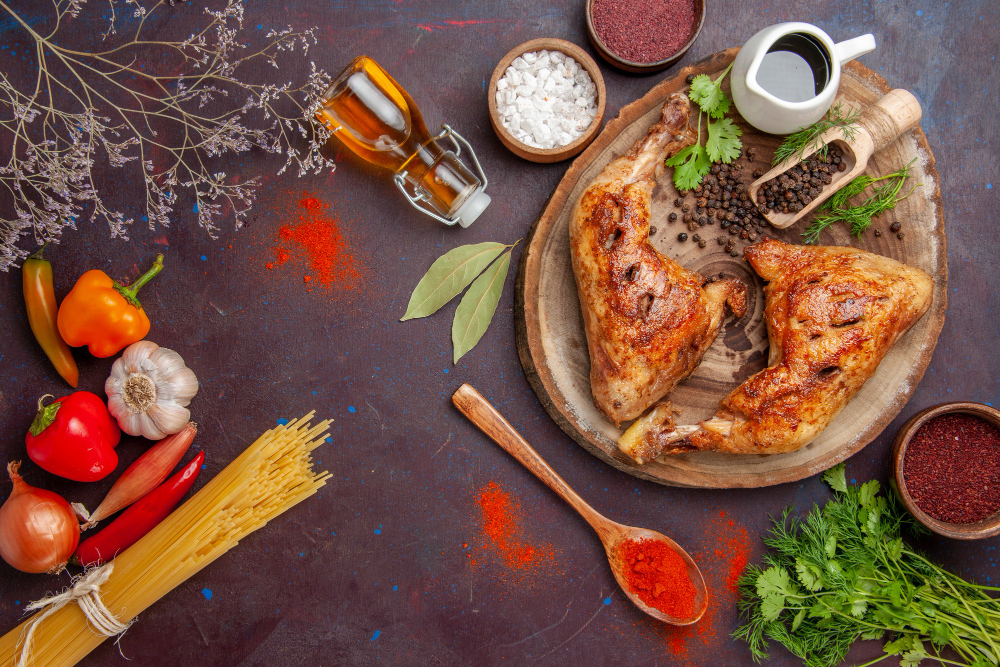
Grilling chicken is a culinary staple that bridges the gap between weeknight dinners and weekend gatherings, yet it remains one of the most misunderstood proteins on the grill. The difference between dry, rubbery breast meat and juicy, flavorful perfection often lies not in the cooking technique alone, but in the chemistry of the marinade applied hours before the fire is even lit. A superior BBQ chicken marinade does more than simply coat the surface; it penetrates the muscle fibers, tenderizes tough connective tissues, and creates a protective barrier against the intense heat of the grill. Understanding the interplay between acids, enzymes, salts, and fats is essential for anyone looking to elevate their grilling game from acceptable to exceptional.
The foundation of any effective marinade rests on the principle of osmosis and diffusion. When chicken is submerged in a liquid mixture, the goal is to encourage flavor molecules to move from the area of high concentration (the marinade) into the area of lower concentration (the meat). However, chicken muscle fibers are dense, and without the correct chemical agents, flavors often remain stuck on the surface, burning before the interior is cooked. This is why a balanced approach, utilizing specific ingredients known for their ability to alter protein structures, is critical. Research into food science consistently highlights that the duration of marination and the composition of the liquid are far more impactful than the sheer volume of spices used.
The Chemistry of Tenderization: Acids and Enzymes
The primary function of a marinade, beyond flavor addition, is tenderization. Chicken, particularly breast meat, can easily become tough if the proteins coagulate too quickly under heat. To counteract this, marinades often employ acidic components or enzymatic agents. Acids such as vinegar, citrus juice, wine, or yogurt work by denaturing the proteins on the surface of the meat. This process unwinds the protein strands, making them softer and allowing them to hold more moisture. However, there is a delicate balance to maintain; excessive acidity or marinating for too long can result in a mushy, mealy texture where the outer layer of the chicken disintegrates before it hits the grill.
Citrus juices, rich in citric acid, are popular choices for BBQ marinades due to their bright, cutting flavor that complements smoky notes. Lemon, lime, and orange juices not only tenderize but also add a freshness that cuts through the richness of darker meats. According to culinary studies conducted by institutions like the American Chemical Society, the pH level of the marinade directly influences the rate of protein breakdown. A marinade with a pH that is too low (highly acidic) will “cook” the chicken chemically, similar to the process used in ceviche, which is generally undesirable for grilled applications where a distinct texture is preferred.
Alternatively, enzymatic marinades utilize natural proteases found in fruits like pineapple (bromelain), papaya (papain), or kiwi. These enzymes act as biological scissors, physically cutting the peptide bonds in the meat proteins. While highly effective, they are also potent and require precise timing. Leaving chicken in a pineapple-based marinade for more than an hour can result in a texture that is unpleasantly soft. For BBQ purposes, where the chicken needs to hold its shape on the grate, milder acids like apple cider vinegar or buttermilk are often superior choices. Buttermilk, in particular, offers a dual benefit: its mild lactic acid tenderizes gently without compromising texture, while its calcium content activates enzymes within the meat that further break down proteins, a technique widely endorsed by experts at Cook’s Illustrated.
The Role of Salt and Brining in Flavor Retention
While acids handle tenderization, salt is the unsung hero of moisture retention and deep flavor penetration. In the context of a BBQ chicken marinade, salt performs a function that goes beyond simple seasoning. When salt is introduced to the meat, it initially draws out moisture through osmosis. However, given time, this moisture dissolves the salt, creating a concentrated brine that is then reabsorbed into the muscle fibers. This process, known as equilibrium brining, alters the protein structure so that the meat can hold onto more water during the cooking process. The result is chicken that remains juicy even when exposed to the drying heat of a charcoal or gas grill.
The type of salt used can influence the outcome, though the chemical mechanism remains the same. Kosher salt is often preferred by pitmasters for its ease of handling and lack of additives, whereas sea salts can introduce subtle mineral nuances. The concentration of salt in a marinade is critical; a solution that is too salty will cure the meat, making it ham-like, while a solution that is too weak will fail to penetrate deeply. Food safety guidelines from the USDA Food Safety and Inspection Service emphasize that marinating should always be done in the refrigerator to prevent bacterial growth, a rule that applies strictly to salted mixtures as well.
Incorporating salt into a wet marinade allows for a more distributed seasoning compared to dry rubbing alone. As the salt solution penetrates the meat, it carries dissolved flavor compounds with it, ensuring that every bite is seasoned rather than just the crust. This is particularly important for thicker cuts like chicken thighs or whole spatchcocked birds, where surface seasoning fails to reach the center. The synergy between salt and other ingredients, such as sugar or aromatics, creates a complex flavor profile that is locked into the meat before the grilling process begins.
Fats as Flavor Carriers and Protective Barriers
Fat is an essential component of a well-rounded BBQ chicken marinade, serving two distinct purposes: flavor transport and heat protection. Many of the aromatic compounds responsible for the savory, herbal, and spicy notes in a marinade are fat-soluble, meaning they do not dissolve in water or acid but require oil to be effectively distributed. Ingredients like garlic, ginger, chili flakes, and dried herbs release their full potential only when suspended in an oil medium. Without adequate fat, these flavors remain trapped in the aqueous part of the marinade and are less likely to adhere to the meat or penetrate the cellular structure.
Common oils used in BBQ marinades include olive oil, vegetable oil, canola oil, and sesame oil. Each brings its own characteristics; olive oil adds a fruity depth suitable for Mediterranean-style profiles, while neutral oils like canola allow the smoke and spice flavors to take center stage. Beyond flavor delivery, a coating of oil on the chicken surface acts as a buffer against the intense direct heat of the grill. This layer helps to moderate the rate of cooking, preventing the exterior from charring before the interior reaches the safe internal temperature of 165°F (74°C).
Furthermore, fat contributes to the mouthfeel of the finished dish. As the chicken cooks, the oil in the marinade mixes with the rendering fat from the skin, creating a basting effect that keeps the meat moist. This is especially beneficial for leaner cuts like chicken breasts, which lack the intramuscular fat found in thighs. The Maillard reaction, responsible for the desirable browned crust and complex flavors on grilled meat, is also facilitated by the presence of oil, which ensures even heat transfer across the surface. Resources from Serious Eats often highlight how the right balance of oil can prevent sticking on the grill grates, ensuring those coveted sear marks remain intact when the chicken is flipped.
Sweeteners: Caramelization and Glaze Formation
No BBQ chicken marinade is complete without a sweetening agent, which serves as the catalyst for caramelization and the formation of a sticky, appetizing glaze. Sugars such as brown sugar, honey, maple syrup, molasses, or agave nectar react with the amino acids in the chicken when exposed to heat, producing the Maillard reaction and subsequent caramelization. This chemical process creates the deep brown color and the complex, slightly bitter-sweet flavor profile associated with perfect barbecue. However, sugar is also the most volatile ingredient in a marinade, prone to burning at high temperatures.
The choice of sweetener dictates the flavor nuance and the burning point of the marinade. Brown sugar, with its molasses content, offers a rich, toffee-like depth and retains moisture well. Honey provides floral notes and creates a glossy finish, while molasses imparts a robust, almost smoky bitterness that pairs exceptionally well with spicy rubs. It is crucial to manage the heat when using sugar-laden marinades. If the grill is too hot, the sugar will carbonize before the chicken is cooked, resulting in a blackened, acrid exterior. Techniques such as indirect grilling or applying the sugary marinade during the final stages of cooking can mitigate this risk.
In addition to flavor and color, sugars play a role in texture. As the water content in the marinade evaporates, the sugar concentration increases, forming a viscous glaze that clings to the meat. This glaze not only enhances the visual appeal but also seals in juices. However, because sugars can inhibit the penetration of salt if present in excessive amounts early in the process, it is often advisable to balance the ratio of salt to sugar carefully. Culinary resources like Bon Appétit frequently suggest that for thick, sugar-heavy sauces, it is better to use them as a finishing glaze rather than a long-term marinade to prevent burning, though a moderate amount in the base marinade aids in browning.
Aromatics and Spice Profiles for Depth
While the macro-ingredients like acid, salt, fat, and sugar form the structural backbone of a marinade, the aromatics and spices provide the soul and regional character of the dish. Garlic, onions, shallots, ginger, and fresh herbs like rosemary, thyme, cilantro, or parsley introduce volatile organic compounds that define the sensory experience of the BBQ chicken. These ingredients should be finely minced, crushed, or pureed to maximize their surface area, allowing their essential oils to infuse the liquid base more effectively.
Spices such as paprika, cumin, coriander, black pepper, cayenne, and mustard powder add layers of heat, earthiness, and complexity. Smoked paprika, in particular, can mimic the flavor of wood smoke, enhancing the grilled taste even when using a gas grill. The interaction between these spices and the fat in the marinade is crucial; blooming spices in warm oil before adding them to the marinade can unlock flavors that remain dormant in cold liquids. This technique, often used in professional kitchens, ensures that the spice profile is robust and well-integrated rather than raw and powdery.
Regional variations in BBQ chicken marinades often hinge on these aromatic choices. A Carolina-style marinade might rely heavily on vinegar and red pepper flakes, while a Kansas City version would emphasize tomato products and brown sugar. Asian-inspired marinades frequently incorporate soy sauce, ginger, garlic, and sesame oil, leveraging the umami properties of fermented soy. Understanding these flavor profiles allows the cook to tailor the marinade to specific palates. The Institute of Food Technologists notes that the volatility of aromatic compounds means that fresh herbs and spices lose potency over time, suggesting that marinades containing these ingredients are best used within 24 to 48 hours for optimal flavor impact.
Comparative Analysis of Marinade Components
To visualize how different ingredients contribute to the final product, the following table breaks down the primary functions and considerations for each component of a BBQ chicken marinade. This comparison aids in constructing a balanced recipe that avoids common pitfalls such as mushy texture or burnt exteriors.
| Component | Primary Function | Common Ingredients | Key Consideration | Optimal Marination Time |
|---|---|---|---|---|
| Acid | Tenderizes protein, adds brightness | Vinegar, Citrus Juice, Wine, Yogurt | High acidity can cause mushy texture if left too long | 30 mins – 4 hours |
| Salt | Enhances flavor, retains moisture | Kosher Salt, Sea Salt, Soy Sauce, Fish Sauce | Essential for deep penetration; prevents dryness | 2 – 12 hours |
| Fat | Carries fat-soluble flavors, prevents sticking | Olive Oil, Canola Oil, Sesame Oil, Butter | Protects meat from high heat; aids browning | Indefinite (within safety limits) |
| Sweetener | Promotes caramelization, forms glaze | Brown Sugar, Honey, Molasses, Maple Syrup | Burns easily; requires careful heat management | 1 – 4 hours (or apply late) |
| Aromatics | Provides distinct flavor profile | Garlic, Ginger, Herbs, Spices, Onions | Freshness degrades over time; best used quickly | 1 – 24 hours |
| Enzymes | Deep tenderization via protein breakdown | Pineapple, Papaya, Kiwi, Ginger | Extremely potent; can ruin texture if overused | 15 mins – 1 hour |
This table illustrates that no single ingredient works in isolation. The success of a BBQ chicken marinade lies in the harmony of these elements. For instance, a marinade heavy on acid must be balanced with sufficient oil to protect the meat, and a sugar-rich mixture requires a lower cooking temperature or shorter exposure time. By manipulating these variables, one can achieve a wide range of textures and flavors, from the snap of a crisp skin to the fall-off-the-bone tenderness of slow-cooked thighs.
Best Practices for Marinating and Grilling Safety
Executing the perfect marinade involves more than just mixing ingredients; it requires adherence to strict food safety protocols and timing strategies. The most critical rule is that marinating must always occur in the refrigerator, never at room temperature. Bacteria multiply rapidly in the “danger zone” between 40°F and 140°F, and leaving chicken out on the counter even for a short period can lead to foodborne illness. The Centers for Disease Control and Prevention (CDC) advises that raw poultry should be kept at or below 40°F at all times during preparation.
Another vital safety practice concerns the reuse of marinade. Since the liquid has been in contact with raw chicken, it is contaminated with bacteria and cannot be used as a sauce unless it is boiled first. Boiling the used marinade for at least one minute kills any harmful pathogens, making it safe to brush onto the chicken during the final stages of grilling. Alternatively, reserving a portion of the fresh marinade before adding the chicken is a safer and more convenient method for basting. Cross-contamination is also a risk; utensils and plates that have touched raw marinated chicken must be washed thoroughly before coming into contact with cooked food.
Timing is equally important for quality. While it might seem logical that “longer is better,” this is not true for all ingredients. As noted earlier, acidic and enzymatic marinades can degrade the texture of the chicken if left for too long. For boneless, skinless breasts, 30 minutes to 2 hours is often sufficient. Bone-in, skin-on pieces like thighs and drumsticks can benefit from 4 to 12 hours, allowing the flavors to penetrate the denser tissue and the skin to absorb the seasoning. Whole chickens or spatchcocked birds may require up to 24 hours for the salt to fully equilibrate throughout the meat. Using non-reactive containers such as glass, ceramic, or food-grade plastic bags is recommended, as reactive metals like aluminum can interact with acids and impart a metallic taste to the food.
Achieving the Perfect Grill Marks and Internal Temperature
Once the chicken has been properly marinated, the grilling technique determines the final outcome. The goal is to achieve a beautifully charred exterior with distinct grill marks while ensuring the interior is cooked to a safe and juicy temperature. Preheating the grill is essential; the grates must be hot and clean to prevent sticking and to ensure immediate searing. Oiling the grates lightly before placing the chicken helps create a non-stick surface. For charcoal grills, arranging the coals to create zones of direct and indirect heat allows for versatile cooking. The chicken can be seared over direct heat to develop color and then moved to the indirect zone to finish cooking gently without burning the sugary components of the marinade.
Monitoring internal temperature is the only reliable way to determine doneness. Visual cues like clear juices or white meat are often inaccurate and can lead to overcooked, dry chicken. The USDA recommends cooking all poultry to an internal temperature of 165°F (74°C). However, for dark meat like thighs and legs, many chefs prefer to cook to 175°F or even 180°F, as the higher temperature helps render the connective tissue and fat, resulting in a more tender bite. Using a high-quality instant-read thermometer is indispensable for this task. Inserting the probe into the thickest part of the meat without touching the bone ensures an accurate reading.
Resting the chicken after grilling is the final, often overlooked step. Allowing the meat to rest for 5 to 10 minutes before carving lets the juices, which have been driven to the center by the heat, redistribute throughout the muscle fibers. Cutting into the chicken immediately causes these juices to spill out, leaving the meat dry. This resting period also allows the carryover cooking to finish the job, raising the internal temperature by a few degrees while the fibers relax. The result is a succulent, flavorful piece of chicken that showcases the full potential of the marinade.
Frequently Asked Questions
How long can I keep chicken in a marinade before it becomes unsafe?
Marinated chicken can be safely stored in the refrigerator for up to two days. Beyond this period, the quality of the meat may begin to degrade, and the risk of bacterial growth increases, even at refrigerated temperatures. The Food and Drug Administration (FDA) suggests discarding any unused marinade that has been in contact with raw poultry after this timeframe. If you need to marinate for longer, it is better to freeze the chicken in the marinade, which pauses the chemical reactions and keeps the meat safe indefinitely until thawed.
Can I use the same marinade for beef and chicken?
While the ingredients in a marinade might be similar, cross-contamination is a significant concern. You should never use a marinade that has touched raw chicken on beef or any other food without boiling it first. Additionally, the ideal marinating time differs between proteins; beef often benefits from longer marination times due to tougher muscle fibers, whereas chicken can become mushy if left too long in acidic solutions. It is best practice to prepare separate batches of marinade for different types of meat to ensure food safety and optimal texture.
Why did my BBQ chicken burn on the outside before cooking inside?
This issue is commonly caused by a high sugar content in the marinade combined with excessive heat. Sugars caramelize and then burn at relatively low temperatures compared to the time required to cook chicken through. To prevent this, use a two-zone grilling method: sear the chicken over direct heat briefly to get marks, then move it to the cooler, indirect side to finish cooking. Alternatively, apply sugar-heavy sauces only during the last 10–15 minutes of grilling.
Is it necessary to poke holes in the chicken before marinating?
Poking holes or scoring the meat is generally unnecessary and can sometimes be detrimental. Scoring can cause the meat to lose valuable juices during cooking. The process of osmosis and diffusion, aided by salt and time, is sufficient to allow flavors to penetrate the meat. For very thick cuts, butterflying or pounding the meat to an even thickness is a more effective strategy than piercing it, as it reduces cooking time and increases surface area for flavor absorption without compromising moisture retention.
What is the best oil to use for a BBQ marinade?
The best oil depends on the flavor profile you wish to achieve. For a neutral taste that lets the spices and smoke shine, canola, vegetable, or grapeseed oil are excellent choices due to their high smoke points. For a richer, fruitier note, extra virgin olive oil works well, particularly in Mediterranean-style marinades, though it has a lower smoke point. Sesame oil is potent and should be used sparingly, often mixed with a neutral oil, to add a distinct nutty aroma common in Asian-inspired BBQ dishes.
Can I marinate frozen chicken?
Yes, you can marinate frozen chicken, and it is a safe method for extending marination time. Placing frozen chicken directly into the marinade in the refrigerator allows it to thaw slowly while absorbing flavors. However, the marinating clock essentially starts only once the chicken has fully thawed. This method requires planning, as the thawing process can take 24 hours or more depending on the size of the cuts. Ensure the chicken is fully submerged and kept at a consistent refrigerator temperature throughout the process.
Does adding baking soda to a marinade help?
Adding a small amount of baking soda (an alkaline) to a marinade can indeed help tenderize chicken, particularly for stir-fry applications. It raises the pH of the meat’s surface, preventing the proteins from bonding tightly and retaining more moisture. However, for traditional BBQ grilling, this technique is less common as it can alter the flavor and texture in ways that may not complement smoky profiles. It is more effective for quick-cooking methods where maximum tenderness is the sole priority.
How do I prevent the chicken skin from becoming rubbery?
Rubbery skin is often the result of steaming rather than grilling or insufficient rendering of fat. To achieve crispy skin, ensure the chicken is patted dry before applying the marinade, or apply the marinade under the skin rather than over it. Cooking the chicken skin-side down over direct heat initially helps render the fat and crisp the skin. Finishing the chicken over indirect heat ensures the meat cooks through without burning the now-crispy skin. Avoid covering the grill tightly with sugary sauces until the very end, as moisture from the sauce can soften the crust.
Conclusion
Mastering the art of the BBQ chicken marinade is a journey through the fundamental principles of food science, where chemistry meets culinary tradition. By understanding the specific roles of acids, salts, fats, sweeteners, and aromatics, cooks can move beyond guesswork and create consistently delicious results. The balance between tenderization and texture, flavor penetration and surface caramelization, requires attention to detail and respect for the ingredients. Whether aiming for the tangy bite of a vinegar-based sauce or the sweet, smoky glaze of a molasses blend, the underlying mechanics remain the same: proper preparation, strict adherence to food safety, and precise heat management.
The reward for this effort is a dish that transcends the sum of its parts—juicy, flavorful chicken that serves as the centerpiece of any meal. The techniques discussed, from the gentle tenderizing power of buttermilk to the caramelizing magic of brown sugar, provide a toolkit for endless experimentation. As grilling seasons change and regional preferences evolve, these core principles offer a stable foundation upon which new flavors can be built. Ultimately, the perfect BBQ chicken is not just about following a recipe; it is about understanding the transformation that occurs when simple ingredients are combined with knowledge and care, resulting in a meal that satisfies both the palate and the desire for culinary excellence. With the right approach, every grill session becomes an opportunity to refine the craft and share the joy of perfectly cooked food.