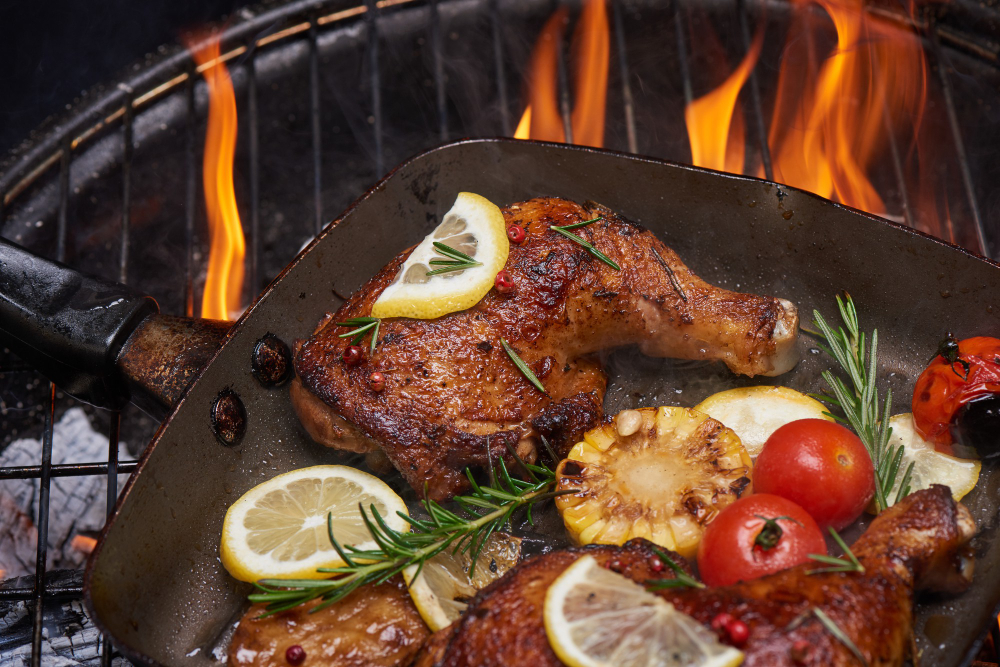
Grilled chicken is a staple of outdoor cooking, yet it remains one of the most frequently mishandled proteins on the barbecue. The difference between dry, rubbery meat and succulent, smoky perfection often comes down to a nuanced understanding of heat management, moisture retention, and the unique properties of charcoal combustion. While gas grills offer convenience, charcoal provides an unrivaled depth of flavor through the Maillard reaction and the subtle infusion of wood smoke. Achieving consistently juicy results requires moving beyond simple recipes and embracing a methodology grounded in food science and practical technique. This guide explores the comprehensive process of preparing, managing, and executing the perfect charcoal-grilled chicken, ensuring every bite delivers maximum flavor and tenderness.
The Science of Charcoal and Heat Management
The foundation of exceptional grilled chicken lies in the fuel source. Charcoal, specifically lump charcoal or high-quality briquettes, burns hotter and cleaner than many assume, but it behaves differently than gas. Understanding how to manipulate this heat is critical. Unlike gas grills, which provide instant, uniform heat, charcoal requires a setup period to establish distinct temperature zones. This concept, known as two-zone fire cooking, is non-negotiable for poultry. One side of the grill should be packed with lit coals to create a high-heat searing zone, while the other side remains empty or has very few coals to serve as an indirect cooling zone.
This separation allows for a controlled cooking environment where the chicken can be seared to develop a crispy skin without burning, then moved to the cooler side to finish cooking gently. According to experts at America’s Test Kitchen, maintaining this dual-zone setup prevents the exterior from charring before the interior reaches a safe temperature. The physics of charcoal combustion also means that airflow is the primary control mechanism. Adjusting the bottom and top vents regulates oxygen flow; opening them increases temperature, while closing them dampens the fire. Mastery of these vents allows the cook to maintain a steady temperature range between 350°F and 450°F, which is ideal for poultry.
Furthermore, the type of charcoal influences the flavor profile and burn time. Lump charcoal, made from pure wood, ignites quickly and burns hot, offering a natural wood flavor that complements chicken well. Briquettes, often containing binders and fillers, burn more consistently and for longer periods, making them suitable for extended cooking sessions. Resources from Serious Eats highlight that adding wood chunks—such as hickory, apple, or cherry—to the coal bed introduces aromatic compounds that penetrate the meat, adding a layer of complexity that gas grilling cannot replicate. The key is to let the coals ash over until they are glowing red and covered in a layer of gray ash before cooking begins, ensuring a stable and clean-burning fire.
Selection and Preparation of the Poultry
The journey to juicy grilled chicken begins long before the grill is lit; it starts at the market. The quality and cut of the chicken dictate the approach. Whole chickens, bone-in thighs, drumsticks, and breasts all react differently to heat. Bone-in, skin-on cuts are generally superior for grilling because the bone acts as an insulator, slowing down the cooking process and allowing the meat to retain more moisture. The skin serves as a protective barrier, rendering fat that bastes the meat from the outside while becoming crisp and flavorful. The USDA Food Safety and Inspection Service emphasizes that proper handling of raw poultry is essential to prevent cross-contamination, recommending dedicated cutting boards and immediate sanitization of surfaces.
Brining is perhaps the most effective technique for ensuring juiciness, particularly for leaner cuts like chicken breasts. A brine is a solution of salt and water, often enhanced with sugar, herbs, and spices. Through the process of osmosis and diffusion, the saltwater solution penetrates the muscle fibers, breaking down proteins and allowing the meat to hold onto more water during the cooking process. This results in a final product that remains moist even if slightly overcooked. Culinary institutions like the Culinary Institute of America note that a standard wet brine typically consists of one cup of kosher salt per gallon of water, with the chicken submerged for anywhere from one to twelve hours depending on the cut.
For those who prefer not to deal with the logistics of a wet brine, a dry brine offers a compelling alternative. This involves rubbing the chicken generously with salt and letting it rest uncovered in the refrigerator for several hours or overnight. The salt draws out moisture, which then dissolves the salt and is reabsorbed into the meat, seasoning it deeply while drying out the skin surface. Dry skin is crucial for achieving that coveted crispy texture on the grill, as moisture is the enemy of browning. Additionally, bringing the chicken to room temperature before grilling is a debated but often recommended step. Allowing the meat to sit out for about 30 minutes reduces the thermal shock when it hits the grate, promoting more even cooking from the center to the edge.
Marinades, Rubs, and Flavor Profiles
While brining addresses texture and moisture, marinades and rubs are responsible for the flavor profile. It is important to distinguish between the two: marinades are liquid-based and often acidic, while rubs are dry mixtures of spices and herbs. Acidic components in marinades, such as lemon juice, vinegar, or yogurt, can help tenderize the surface of the meat by denaturing proteins. However, excessive exposure to acid can turn the outer layer of the chicken mushy. Research from Food Network suggests limiting marinating time to two to four hours for acidic mixtures, whereas oil-based herb marinades can be left longer without detrimental textural effects.
Dry rubs, on the other hand, create a flavorful crust that adheres well to the skin. A balanced rub typically includes salt, sugar, paprika, garlic powder, onion powder, and various peppers. The sugar aids in caramelization, contributing to the deep brown color and complex flavors associated with grilled foods. When applying rubs, it is beneficial to coat the chicken lightly with oil first to help the spices adhere and to promote even heat transfer. For those seeking authentic global flavors, techniques vary widely. For instance, Caribbean jerk seasoning relies on allspice and scotch bonnet peppers, while Mediterranean styles favor oregano, lemon, and garlic. The BBC Good Food archives provide extensive variations on these themes, demonstrating how simple spice blends can transform the character of the dish.
Glazing is another critical component, but timing is everything. Glazes containing sugar or honey will burn quickly over direct high heat. Therefore, they should only be applied during the last few minutes of cooking, once the chicken has been moved to the indirect heat zone or just before a final sear. This ensures a sticky, glossy finish without the bitterness of charred sugar. Building layers of flavor—starting with a brine, adding a rub, and finishing with a glaze—creates a multidimensional eating experience that elevates the humble chicken to a gourmet level.
The Grilling Process: Technique and Execution
With the chicken prepared and the grill ready, the actual cooking process demands attention to detail. The first step is to oil the grates to prevent sticking. Using tongs to grip a folded paper towel dipped in vegetable oil and wiping it across the hot grates creates a non-stick surface. Placing the chicken on the grill should be done with confidence; once placed, the meat should not be moved immediately. Allowing it to sear for several minutes ensures that it releases naturally from the grate. If the chicken sticks, it likely needs more time to develop a crust.
The two-zone method comes into play immediately after the initial sear. Start by placing the chicken skin-side down over the direct heat zone. This renders the fat under the skin and creates a golden-brown, crispy exterior. This phase usually takes 5 to 7 minutes, depending on the heat intensity. Once the skin is sufficiently browned, flip the chicken and move it to the indirect heat zone. Here, the chicken cooks via convection, similar to an oven, allowing the interior to reach the target temperature without burning the exterior. This “sear and slide” technique is widely endorsed by pitmasters and is detailed in resources from Weber Grills.
Monitoring the internal temperature is the only reliable way to determine doneness. Visual cues like clear juices or firmness are often inaccurate and can lead to undercooked or overcooked meat. A high-quality instant-read thermometer is an indispensable tool. The USDA recommends cooking chicken to an internal temperature of 165°F (74°C) to ensure safety. However, for dark meat like thighs and drumsticks, many chefs prefer cooking to 175°F or even 180°F. At these higher temperatures, the connective tissues and collagen break down into gelatin, resulting in a more tender and juicy texture. Breast meat, being leaner, should be pulled off the grill as soon as it hits 160°F to 162°F, as carryover cooking will raise the temperature to the safe 165°F mark while resting.
Avoiding common pitfalls is essential. One frequent mistake is overcrowding the grill, which restricts airflow and causes temperature fluctuations. Another is constantly flipping the chicken, which prevents proper searing and heat penetration. Patience is vital; trusting the process and the thermometer yields the best results. If flare-ups occur due to dripping fat, the chicken should be moved temporarily to the cool zone until the flames subside. Charring caused by flare-ups imparts a bitter taste and creates potentially harmful compounds, so managing these bursts of flame is crucial for both flavor and health.
Resting and Serving Strategies
The cooking process does not end when the chicken is removed from the grill. Resting the meat is a critical step that is often overlooked but is scientifically necessary for juiciness. When chicken cooks, the muscle fibers contract and push moisture toward the center. If the meat is cut immediately, those juices spill out onto the cutting board, leaving the meat dry. Allowing the chicken to rest for 5 to 10 minutes gives the fibers time to relax and reabsorb the distributed moisture. This phenomenon is well-documented in culinary science literature, including studies referenced by Cook’s Illustrated.
During the resting period, the internal temperature continues to rise slightly, a process known as carryover cooking. This ensures that the meat reaches the final safe temperature without additional heat application. Covering the chicken loosely with foil during this time helps retain warmth without trapping steam, which could soften the crispy skin. Once rested, the chicken can be carved or served whole. For whole chickens, carving against the grain of the muscle fibers ensures maximum tenderness in each bite.
Serving suggestions can enhance the overall dining experience. Grilled chicken pairs exceptionally well with fresh, acidic sides that cut through the richness of the rendered fat. Think of a crisp cucumber salad, grilled corn with lime, or a tangy coleslaw. Starches like roasted potatoes or rice pilaf provide a neutral base that complements the smoky flavors. Beverages such as iced tea, light lagers, or white wines with good acidity balance the meal. The presentation should highlight the golden-brown skin and the appetizing char marks, signaling the care taken in preparation.
Comparative Analysis of Cooking Methods
To fully appreciate the nuances of charcoal grilling, it is helpful to compare it with other common cooking methods. Each technique offers distinct advantages and disadvantages regarding flavor, texture, and convenience. The following table illustrates how charcoal grilling stacks up against gas grilling, oven roasting, and smoking.
| Feature | Charcoal Grilling | Gas Grilling | Oven Roasting | Smoking |
|---|---|---|---|---|
| Flavor Profile | Deep, smoky, complex char | Clean, mild grill marks | Roasted, savory, uniform | Intense smoke, bark formation |
| Heat Control | Requires manual vent adjustment | Precise knob control | Consistent thermostat | Low and slow, steady |
| Cooking Time | Moderate (Sear + Indirect) | Fast startup, moderate cook | Slow, even heating | Very long (hours) |
| Moisture Retention | High (with two-zone method) | Moderate (risk of drying) | High (controlled env) | Very High (low temp) |
| Skin Texture | Crispy, blistered, rendered | Crispy but less blistered | Soft unless broiled | Chewy, bark-like |
| Convenience | Low (setup and cleanup) | High (instant on/off) | High (set and forget) | Low (monitoring required) |
| Best Cut Suitability | All cuts, especially bone-in | Breasts, quick-cook items | Whole birds, large batches | Tough cuts, whole birds |
This comparison highlights that while gas grilling offers speed and oven roasting provides consistency, charcoal grilling occupies a unique sweet spot for those seeking a balance of rich flavor and textural contrast. The ability to sear and then gently roast on the same apparatus allows for a versatility that mimics professional kitchen setups. Smoking, while excellent for tenderness, often sacrifices the crispy skin that defines a great grilled chicken, making charcoal the superior choice for those who value both crunch and smoke.
Troubleshooting Common Issues
Even with meticulous preparation, issues can arise. Dry meat is the most common complaint, usually stemming from overcooking or skipping the brining step. If the chicken consistently turns out dry, verifying the accuracy of the thermometer is the first step. Calibration errors can lead to pulling the meat too late. Additionally, ensuring the grill lid is closed during the indirect cooking phase traps heat and circulates it evenly, preventing the need for prolonged exposure that dries out the surface.
Uneven cooking is another frequent challenge, often caused by hot spots in the charcoal bed. Arranging the coals unevenly on purpose to create zones helps, but if one area is significantly hotter, rotating the chicken periodically while it is on the indirect side can mitigate this. Flare-ups, as mentioned earlier, are managed by moving the meat away from the flames and trimming excess fat before grilling. If the skin is burning before the inside is cooked, the heat is too high; spreading the coals out or closing the vents slightly can lower the temperature.
Bland flavor usually indicates insufficient seasoning or a lack of smoke. Ensuring the brine or rub is applied generously and allowing enough time for the flavors to penetrate is key. If the smoke flavor is missing, check that the coals are not completely ashed over to the point of no combustion; there should still be active burning coals to generate smoke, or fresh wood chunks should be added.
Frequently Asked Questions
What is the safest internal temperature for grilled chicken?
The USDA mandates that all poultry must reach an internal temperature of 165°F (74°C) to be considered safe for consumption. This temperature ensures that harmful bacteria like Salmonella and Campylobacter are destroyed. However, for dark meat such as thighs and legs, cooking to 175°F–180°F is often preferred to break down connective tissue for better texture, while white meat like breasts should be removed at 160°F–162°F to account for carryover cooking.
How long should I brine chicken before grilling?
The duration depends on the cut. Boneless, skinless breasts benefit from 30 minutes to 2 hours in a brine. Bone-in pieces like thighs and drumsticks can handle 2 to 4 hours. A whole chicken can be brined for 4 to 12 hours. Over-brining can result in meat that is overly salty and has a ham-like texture, so adhering to these timeframes is important.
Can I use lighter fluid to start my charcoal?
While lighter fluid can be used, it is generally recommended to let the coals burn until they are completely covered in gray ash before cooking. This ensures that any chemical residues from the fluid have burned off, preventing unwanted flavors in the food. Alternatively, using a chimney starter is a safer and more efficient method that requires no chemicals and produces ready-to-cook coals in about 15 minutes.
Why is my chicken skin sticking to the grill?
Sticking usually occurs because the grates were not hot enough, not clean, or not properly oiled. Ensure the grill is preheated thoroughly and the grates are scrubbed clean. Oiling the grates with a high-smoke-point oil just before placing the chicken creates a barrier. Additionally, do not attempt to flip the chicken too soon; wait until the skin releases naturally, which indicates a proper sear has formed.
Is it better to grill chicken with the lid open or closed?
For direct heat searing, the lid can be open to monitor the browning and prevent burning. However, once the chicken is moved to the indirect heat zone to finish cooking, the lid should be closed. This turns the grill into an oven, circulating hot air around the meat for even cooking and infusing the smoky flavor. Keeping the lid closed also helps maintain a consistent temperature.
How do I prevent flare-ups when grilling fatty chicken parts?
Flare-ups happen when fat drips onto the hot coals. To prevent this, trim excess visible fat from the chicken before grilling. Keep a spray bottle of water nearby to mist minor flare-ups, but the most effective strategy is to move the chicken to the indirect heat zone immediately if flames rise up. Avoid cooking fatty cuts directly over high flames for extended periods.
Can I reuse charcoal for the next grilling session?
Unused charcoal that has not fully burned down can be saved for future use. Once the grill has cooled, sift out the ash and store the remaining unburnt chunks in a dry container. These can be mixed with fresh charcoal for the next fire. However, fully ashed-over briquettes that have turned to dust should be discarded as they will not ignite effectively.
What woods are best for smoking chicken on a charcoal grill?
Fruitwoods like apple, cherry, and peach provide a mild, sweet smoke that complements poultry without overpowering it. Hardwoods like hickory and oak offer a stronger, more robust flavor and should be used sparingly or mixed with milder woods. Avoid softwoods like pine or cedar (unless specifically treated for planking), as they contain resins that produce acrid smoke and unpleasant flavors.
Conclusion
Mastering the art of juicy grilled chicken on a charcoal grill is a pursuit that blends scientific precision with intuitive cooking. It requires an appreciation for the variables involved: the quality of the fuel, the preparation of the meat, the management of heat zones, and the patience to let the process unfold. By implementing techniques such as brining, utilizing the two-zone fire method, and relying on accurate temperature monitoring, cooks can consistently produce chicken that is safe, flavorful, and incredibly moist. The smoky essence imparted by charcoal, combined with the textural contrast of crispy skin and tender meat, creates a dining experience that is difficult to replicate with other cooking methods.
The journey to grilling perfection is iterative. Each session offers opportunities to refine vent control, experiment with new rubs, and perfect timing. Whether preparing a weeknight dinner or hosting a summer gathering, the principles outlined here provide a robust framework for success. The effort invested in understanding the mechanics of the grill and the biology of the meat pays dividends in every bite. As the coals glow and the aroma of wood smoke fills the air, the reward is not just a meal, but the satisfaction of executing a timeless culinary tradition with skill and confidence. With the right tools and knowledge, anyone can elevate their grilling game and serve chicken that is truly memorable.