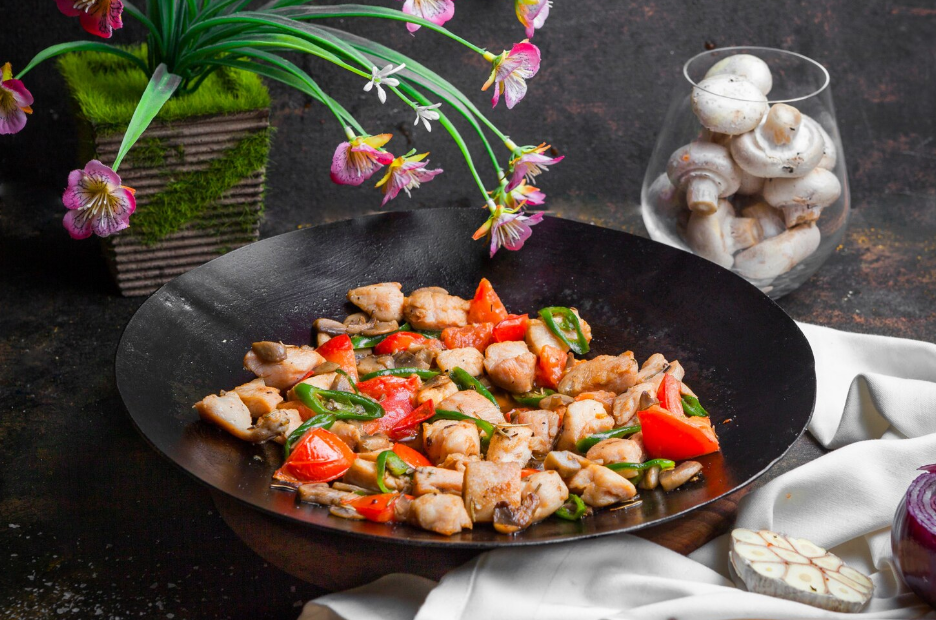
The sizzle of garlic hitting hot oil, the rhythmic clatter of a wooden spatula against carbon steel, and the sudden bloom of aromatics that fills a kitchen within seconds—these are the universal signatures of Asian chicken cooking. Across a continent as vast and diverse as Asia, chicken serves as a culinary canvas, absorbing the distinct flavors of soy, ginger, lemongrass, coconut, and chili. For the home cook looking to elevate a standard weeknight dinner, exploring these dishes offers more than just a meal; it provides a gateway into centuries of culinary tradition, technique, and balance. Unlike Western roasting or grilling methods which often rely on long, slow heat, many Asian chicken preparations prioritize speed, high heat, and the layering of complex sauces to create textures that range from velvety smooth to shatteringly crisp.
Understanding the mechanics behind these famous dishes transforms the cooking process from following a rigid recipe to mastering a flexible skill set. Whether it is the glossy, sweet-savory coating of a stir-fry or the fragrant steam infusing a poached bird, the principles remain rooted in precision and ingredient quality. This guide delves into the most iconic chicken dishes from East, Southeast, and South Asia, breaking down the techniques, flavor profiles, and scientific nuances that make them legendary. By focusing on authentic methods and credible culinary science, cooks can replicate restaurant-quality results while gaining a deeper appreciation for the regional diversity that defines Asian cuisine.
The Science of Velveting and High-Heat Stir-Frying
When discussing Chinese chicken dishes, few techniques are as transformative as “velveting.” This method, often misunderstood by home cooks as simply adding cornstarch, is a sophisticated process of marinating protein to protect it from the intense heat of a wok. The goal is to create a barrier that seals in moisture, resulting in chicken that is exceptionally tender and silky, contrasting beautifully with crisp vegetables. The process typically involves coating thin slices of chicken breast or thigh in a mixture of egg white, rice wine, salt, and cornstarch before briefly blanching in oil or water. This technique is fundamental to dishes like Kung Pao Chicken and Moo Goo Gai Pan, where texture is paramount. According to culinary experts at America’s Test Kitchen, the alkaline nature of baking soda, sometimes added to the marinade, helps break down protein structures, further enhancing tenderness without compromising the meat’s integrity.
Once the chicken is prepped, the stir-fry itself relies on wok hei, or the “breath of the wok.” This elusive flavor profile is achieved only when ingredients are cooked over extremely high heat, causing slight charring and caramelization that imparts a smoky depth. Achieving wok hei at home requires maximizing burner output and ensuring the pan is smoking hot before ingredients are added. The Serious Eats laboratory tests have demonstrated that preheating the wok until it begins to smoke is critical for initiating the Maillard reaction rapidly, preventing the food from stewing in its own juices. For a classic dish like General Tso’s Chicken, the balance of crispy exterior and tender interior depends entirely on this high-heat sear followed by a quick toss in a thickened sauce made from soy sauce, rice vinegar, sugar, and dried chilies.
The sauce composition in stir-fries is another area where precision matters. Authentic recipes avoid heavy, gloopy textures by using a calculated ratio of liquid to starch slurry. A standard base often combines light soy sauce for saltiness, dark soy sauce for color and a hint of molasses-like sweetness, and Shaoxing wine for depth. The Woks of Life, a renowned resource on Chinese culinary heritage, emphasizes that Shaoxing wine is not merely an optional additive but a foundational element that removes gaminess and adds a complex, nutty aroma impossible to replicate with dry sherry or sake. When constructing a dinner menu, pairing a velvety chicken stir-fry with simple steamed jasmine rice allows the nuanced flavors of the sauce and the texture of the meat to take center stage without competition.
The Delicate Balance of Poached and Steamed Preparations
While stir-frying dominates the perception of Chinese cooking in the West, poached and steamed chicken dishes represent the pinnacle of subtlety and ingredient purity. Hainanese Chicken Rice, originally from Hainan, China, but popularized in Singapore and Malaysia, is a masterclass in extracting maximum flavor through minimal intervention. The chicken is gently poached in a broth infused with ginger, scallions, and salt at a temperature just below boiling. This gentle cooking method ensures the meat remains juicy and the skin retains a gelatinous, unctuous texture. The National Geographic travel and food archives highlight how this dish has become a cultural icon in Southeast Asia, with variations existing in nearly every hawker center across the region. The true secret, however, lies not just in the chicken but in the rice, which is cooked in the reserved chicken fat and broth, absorbing every ounce of savory essence.
Serving Hainanese Chicken Rice requires an understanding of condiment balance. The dish is traditionally accompanied by three distinct dips: a fiery chili-ginger paste, a dark soy-garlic sauce, and a pungent ginger-scallion oil. Each condiment serves a specific purpose, cutting through the richness of the skin or enhancing the mildness of the meat. The chili sauce, in particular, relies on the acidity of lime juice or chicken broth to balance the heat of bird’s eye chilies. Culinary historians note that the preparation of the dipping sauces is often considered more labor-intensive than the chicken itself, reflecting the dish’s philosophy of elevating simple components through meticulous attention to detail. For those seeking a lighter dinner option that does not sacrifice flavor, this poached method offers a high-protein, low-fat alternative that satisfies deeply.
Steaming, another gentle cooking technique, is central to Cantonese cuisine. Ginger and Scallion Chicken is a staple home-cooked meal that relies on the aromatic properties of alliums to perfume the meat. The chicken is typically rubbed with salt and oil, then topped with copious amounts of julienned ginger and green onions before being steamed. As the steam circulates, it cooks the chicken evenly while infusing it with the essential oils from the aromatics. The China Sichuan Food blog details how finishing the dish with a pour of smoking hot oil over the raw scallions and ginger releases a burst of fragrance that defines the eating experience. This technique, known as “you po,” is a common finishing touch in many Asian dishes, bridging the gap between raw aroma and cooked flavor. The result is a dish that is visually vibrant, with the bright green of the scallions contrasting against the pale chicken, offering a clean and refreshing profile ideal for warmer evenings.
The Aromatic Complexity of Thai Curries and Stir-Fries
Moving into Southeast Asia, Thai cuisine introduces a different dimension of flavor characterized by the interplay of sweet, sour, salty, and spicy elements. Thai chicken curries, such as Green Curry (Gaeng Keow Wan) and Red Curry (Gaeng Phet), derive their distinct colors and flavors from fresh herb pastes rather than dried spices. Green curry paste is made from fresh green chilies, cilantro roots, Thai basil, kaffir lime leaves, and galangal, creating a bright, herbaceous heat. In contrast, red curry utilizes dried red chilies, resulting in a deeper, earthier spice profile. The Thai Tourism Authority emphasizes the importance of using full-fat coconut milk to balance the intensity of these pastes, providing a creamy texture that coats the chicken and vegetables. Authentic preparation involves frying the curry paste in a portion of the coconut cream until the oils separate, a step that unlocks the full potential of the aromatics before adding the remaining liquid.
Beyond curries, Pad Kra Pao (Holy Basil Chicken) stands as one of Thailand’s most beloved street food dishes. Unlike the sweet basil commonly found in Western supermarkets, Holy Basil (Bai Gaprao) possesses a peppery, clove-like scent that is integral to the dish’s identity. The cooking process is rapid, involving minced chicken stir-fried with garlic, chilies, fish sauce, and soy sauce, finished with a handful of fresh basil leaves wilted at the last second. The dish is traditionally served over rice with a crispy fried egg on top, the runny yolk acting as a rich sauce that binds the spicy, savory minced meat. Eater has documented the global rise of this dish, noting that the key to authenticity lies in the high heat and the specific use of fish sauce, which provides the necessary umami backbone that salt alone cannot achieve. Substituting sweet basil significantly alters the flavor profile, turning a pungent, savory dish into something cloyingly sweet.
The balance of flavors in Thai cooking is precise and deliberate. Fish sauce provides salinity and umami, palm sugar offers a caramel-like sweetness, and lime juice introduces the necessary acid to cut through the richness of coconut milk or fried elements. When preparing these dishes for dinner, it is crucial to taste and adjust continuously. The Saveur culinary guides suggest keeping a mise en place of tasting spoons ready to adjust the seasoning before serving, as the potency of fish sauce and chilies can vary by brand and batch. This interactive approach to cooking ensures that the final dish aligns with personal preference while maintaining the structural integrity of the flavor profile. Whether it is the comforting warmth of a coconut curry or the sharp, invigorating kick of Holy Basil chicken, Thai dishes offer a dynamic range of sensory experiences suitable for any palate.
Japanese Yakitori and Teriyaki: Mastery of Glaze and Grill
Japanese chicken cuisine often focuses on the quality of the ingredient and the precision of the glaze. Yakitori, skewered and grilled chicken, is a ubiquitous feature of Japanese izakayas (pubs). While often associated with simple salt seasoning (shio), the tare (sauce) version is equally iconic. The tare is a reduction of soy sauce, mirin, sake, and sugar, simmered until it reaches a syrupy consistency. What distinguishes authentic yakitori is the practice of reusing the tare, which accumulates flavor complexity over time, although home cooks typically prepare fresh batches for safety and convenience. The Just One Cookbook highlights that the grilling technique involves alternating between direct heat to char the skin and indirect heat to cook the meat through without burning the sugary glaze. This method yields chicken thighs that are succulent inside with a lacquered, slightly charred exterior.
Teriyaki chicken, often misunderstood in the West as a generic brown sauce, is technically a cooking method where “teri” refers to the luster and “yaki” to the grilling or broiling technique. The sauce is applied towards the end of cooking to allow the sugars to caramelize and form a glossy sheen. Using chicken thighs is preferred over breasts due to their higher fat content, which prevents drying out during the high-heat cooking process. The Japan Centre notes that the addition of grated ginger and garlic to the teriyaki base adds a subtle aromatic layer that distinguishes homemade versions from bottled alternatives. Serving teriyaki chicken with steamed short-grain rice and pickled vegetables creates a balanced meal that adheres to the Japanese principle of ichiju-sansai (one soup, three sides), promoting nutritional variety and visual harmony.
Another notable preparation is Oyakodon, a hearty bowl of rice topped with chicken and egg simmered in a dashi-based broth. The name literally translates to “parent and child bowl,” referencing the chicken and egg combination. This dish exemplifies the Japanese aesthetic of simplicity and comfort. The broth, flavored with soy sauce, mirin, and sake, gently poaches the chicken and sets the egg to a soft, custard-like consistency. Onions are often added for sweetness and texture. The Nippon.com cultural portal describes Oyakodon as a staple of quick, nutritious dining in Japan, often consumed by workers seeking a warm, filling meal. The technique requires careful timing; the egg must be poured in stages to ensure parts are set while others remain runny, creating a textural contrast that elevates the dish from a simple rice bowl to a culinary delight.
Indian Butter Chicken and Tandoori Traditions
South Asian chicken dishes are renowned for their complex spice blends and rich, tomato-based gravies. Butter Chicken (Murgh Makhani), originating from Delhi, is perhaps the most globally recognized Indian chicken dish. Its creation is often attributed to the innovation of using leftover tandoori chicken in a creamy tomato sauce. The marinade for the chicken involves yogurt and a blend of spices including garam masala, turmeric, cumin, and Kashmiri red chili powder, which provides vibrant color without excessive heat. The chicken is traditionally cooked in a tandoor (clay oven), imparting a smoky flavor that is difficult to replicate in a standard oven but can be approximated by broiling or grilling. The BBC Good Food team suggests that blending cashews or almonds into the sauce adds a natural creaminess and thickness that complements the tomatoes and butter.
The sauce for Butter Chicken is a emulsion of tomato puree, butter, cream, and fenugreek leaves (kasuri methi). Fenugreek is the secret ingredient that provides the distinctive bitter-sweet aroma characteristic of restaurant-style curries. Crushing the dried leaves between the palms before adding them to the simmering sauce releases their essential oils. The balance of acidity from the tomatoes and the richness of the dairy creates a velvety texture that coats the chicken pieces. Serving this dish with naan bread or basmati rice allows diners to soak up the flavorful gravy. The Manjula’s Kitchen archive provides extensive research on spice ratios, emphasizing that blooming whole spices in hot oil or ghee before adding wet ingredients is crucial for unlocking their full aromatic potential.
Tandoori Chicken, the precursor to Butter Chicken, stands on its own as a dry-marinated roasted dish. The marinade penetrates deep into the meat, often requiring several hours or overnight refrigeration. The high heat of the tandoor chars the exterior while keeping the interior moist. In a home setting, achieving similar results involves using a very hot oven or grill and basting the chicken with melted butter or oil to prevent drying. The vibrant red color traditionally comes from food coloring, but paprika and Kashmiri chili powder offer a natural alternative with excellent flavor. The Spice House notes that the acidity in the yogurt marinade acts as a tenderizer, breaking down muscle fibers and ensuring the chicken remains tender even after exposure to high heat. This dish pairs exceptionally well with cooling raita (yogurt sauce) and fresh salads to balance the intensity of the spices.
Comparative Analysis of Cooking Techniques and Flavor Profiles
To assist in selecting the right dish for a specific dinner occasion, the following table compares the key characteristics of the featured Asian chicken recipes. This overview highlights the primary cooking methods, dominant flavor profiles, and difficulty levels, enabling cooks to match their skill set and time availability with the desired culinary outcome.
| Dish Name | Region of Origin | Primary Cooking Method | Dominant Flavor Profile | Key Texture | Estimated Prep Time |
|---|---|---|---|---|---|
| Kung Pao Chicken | China (Sichuan) | Stir-Fry / Velveting | Spicy, Numbing, Sweet, Sour | Tender meat, Crunchy peanuts | 30 mins |
| Hainanese Chicken Rice | Hainan/Singapore | Poaching / Steaming | Savory, Ginger-forward, Clean | Silky skin, Juicy meat | 60 mins |
| Thai Green Curry | Thailand | Simmering in Coconut Milk | Herbaceous, Spicy, Creamy, Sweet | Soft chicken, Tender veggies | 45 mins |
| Pad Kra Pao | Thailand | High-Heat Stir-Fry | Salty, Spicy, Peppery (Holy Basil) | Minced, Slightly Crispy edges | 20 mins |
| Yakitori (Tare) | Japan | Grilling / Broiling | Sweet, Salty, Smoky, Umami | Charred exterior, Juicy interior | 40 mins |
| Butter Chicken | India (Delhi) | Roasting then Simmering | Rich, Creamy, Tomatoey, Buttery | Fall-off-the-bone tender | 90 mins |
| Ginger Scallion Chicken | China (Cantonese) | Steaming | Aromatic, Fresh, Light | Very tender, Gelatinous skin | 35 mins |
| Teriyaki Chicken | Japan | Glazing / Grilling | Sweet, Salty, Glossy | Caramelized surface, Moist inside | 30 mins |
This comparison illustrates the diversity available within Asian chicken cuisine. Dishes like Pad Kra Pao and Teriyaki Chicken offer speed and bold flavors suitable for busy weeknights, while Hainanese Chicken Rice and Butter Chicken reward patience with deep, layered complexities ideal for weekend dinners. The textural variance, from the crunch of peanuts in Kung Pao to the silkiness of poached chicken, demonstrates how technique dictates the eating experience just as much as ingredients do.
Frequently Asked Questions
What is the best cut of chicken for Asian stir-fries?
Chicken thighs are generally superior to breasts for stir-fries due to their higher fat content and connective tissue, which keep the meat moist and tender under high heat. Breasts can easily become dry and stringy if overcooked, whereas thighs remain forgiving. However, for dishes requiring velveting, such as Kung Pao Chicken, breasts are often used because the marinade protects them from drying out, resulting in a uniquely soft texture.
Can I substitute ingredients like Shaoxing wine or fish sauce?
While substitutions are possible, they will alter the final flavor profile. Dry sherry is the closest substitute for Shaoxing wine, though it lacks the same depth. For fish sauce, soy sauce mixed with a pinch of salt can provide salinity, but it misses the distinct umami and funk that fish sauce contributes to Thai and Vietnamese dishes. Authenticity relies heavily on these specific fermented ingredients, so sourcing them from an Asian grocery store is recommended for the best results.
How do I achieve “wok hei” on a standard home stove?
Achieving true wok hei on a residential electric or low-BTU gas stove is challenging but manageable. The key is to cook in smaller batches to prevent the pan temperature from dropping drastically. Preheat the wok or skillet until it is smoking, add oil, and swirl to coat. Add ingredients quickly and avoid overcrowding. Using a carbon steel wok, which retains and transfers heat better than non-stick pans, also aids in reaching the necessary temperatures for caramelization.
Is it safe to reuse the marinade as a sauce?
No, marinades that have come into contact with raw chicken should never be reused as a finishing sauce unless they are boiled vigorously for several minutes to kill bacteria. It is safer and more efficient to reserve a portion of the marinade before adding the chicken if it is intended to be used as a base for the sauce, or simply prepare a fresh sauce using the same ingredients.
What makes Holy Basil different from regular sweet basil?
Holy Basil (Ocimum tenuiflorum) has a distinct peppery, clove-like flavor with a hint of mint, whereas sweet basil (Ocimum basilicum) is sweeter with notes of anise. In Pad Kra Pao, Holy Basil provides a spicy kick that balances the savory fish sauce. Substituting sweet basil results in a much milder, sweeter dish that lacks the authentic aromatic punch of the original Thai recipe.
How can I make these dishes less spicy without losing flavor?
To reduce heat, remove the seeds and membranes from fresh chilies, as this is where most of the capsaicin resides. In curries, increasing the amount of coconut milk can help dilute the spice level while adding creaminess. For stir-fries, reducing the quantity of dried chilies or chili paste and compensating with extra aromatics like ginger, garlic, and scallions maintains flavor complexity without the burn.
Are these gluten-free friendly?
Many Asian dishes naturally contain gluten due to the use of soy sauce and oyster sauce. To make them gluten-free, substitute regular soy sauce with tamari or certified gluten-free soy sauce. Ensure that other condiments like hoisin or oyster sauce are labeled gluten-free, as wheat is often used as a thickener or filler in these products. Rice noodles and rice paper are naturally gluten-free alternatives to wheat noodles.
Concluding Thoughts on the Global Chicken Table
The exploration of famous Asian chicken dishes reveals a culinary landscape defined by ingenuity, balance, and a profound respect for ingredients. From the smoky depths of a Beijing duck alternative in stir-fry form to the delicate poaching methods of Hainan, each technique offers a lesson in thermal control and flavor extraction. The global popularity of these dishes is no accident; they satisfy the human craving for complex tastes that engage all parts of the palate—salty, sweet, sour, bitter, and umami. Incorporating these recipes into a regular dinner rotation does more than provide sustenance; it invites a cultural exchange onto the dining table, fostering an appreciation for the diverse traditions that have perfected the art of cooking chicken.
For the home cook, the journey begins with mastering the basics: proper knife skills for uniform cooking, the chemistry of marinades, and the courage to apply high heat. Whether one chooses the creamy comfort of an Indian butter chicken or the zesty brightness of a Thai basil stir-fry, the result is a meal that transcends the ordinary. The versatility of chicken allows it to absorb the soul of any cuisine it touches, making it the perfect vehicle for exploring the vast flavors of Asia. As kitchens continue to embrace these global techniques, the boundary between restaurant excellence and home cooking blurs, proving that with the right knowledge and quality ingredients, extraordinary dinners are accessible to everyone. The next step for the enthusiastic cook is to visit a local Asian market, source authentic ingredients like Shaoxing wine, fish sauce, and fresh herbs, and begin the practice of turning simple proteins into culinary masterpieces.