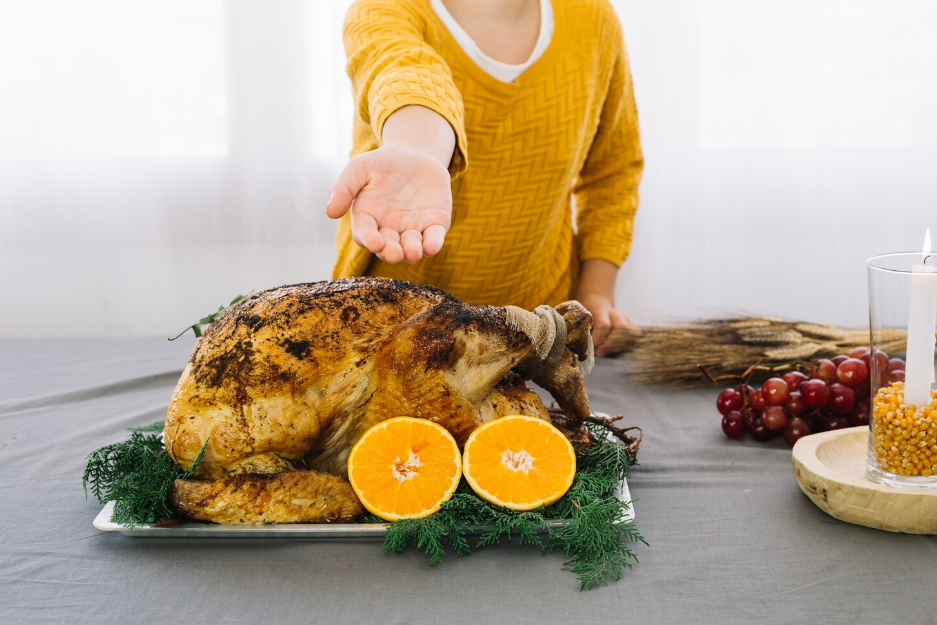
Chicken is arguably the most versatile protein in the global culinary landscape, yet it remains the most frequently mishandled ingredient in home kitchens. The margin between a juicy, tender breast and a dry, rubbery disappointment is often a matter of mere degrees or seconds. Achieving perfection requires moving beyond guesswork and embracing the underlying food science that governs muscle fibers, protein coagulation, and moisture retention. By understanding the mechanics of heat transfer and the biological structure of poultry, cooks can consistently produce restaurant-quality results without relying on luck. This guide dissects the critical variables involved in cooking chicken, offering a technical yet accessible roadmap to eliminating dryness forever.
Understanding the Biology of Moisture Loss
To cook chicken perfectly, one must first understand why it dries out. The texture of cooked poultry is dictated by the behavior of proteins when exposed to heat. Chicken muscle fibers are composed of long protein chains that are naturally coiled. As the temperature rises, these proteins begin to denature, or unwind, and then coagulate, tightening together like a wringing sponge. This contraction squeezes out the water held within the muscle structure. According to research from food science institutions like Cornell University, this process accelerates rapidly once the internal temperature exceeds 150°F (65°C).
The primary culprit for dryness is not necessarily the lack of fat, as chicken breast is lean, but rather the over-coagulation of myosin and actin proteins. Myosin begins to coagulate around 140°F (60°C), while actin tightens at higher temperatures, around 155°F (68°C). When both proteins fully contract, the meat becomes tough and expels its juices onto the cutting board. The goal, therefore, is not to cook the chicken to a specific time duration, but to manage the internal temperature precisely to halt this process before the muscle fibers become too constricted. Resources from the USDA Food Safety and Inspection Service provide the safety baseline, but culinary excellence lies in stopping just at the threshold of safety while utilizing carryover cooking to reach the final target.
Furthermore, the type of muscle matters. Dark meat, found in thighs and legs, contains more connective tissue and fat than white meat. This connective tissue, primarily collagen, requires higher temperatures and longer cooking times to break down into gelatin, which provides a luscious mouthfeel. Conversely, breast meat lacks this collagen buffer, making it unforgiving if overheated. Recognizing these structural differences is the first step in applying the correct thermal strategy to each cut.
The Critical Role of Brining and Salting
One of the most effective methods for ensuring moisture retention is altering the chemical composition of the meat before heat is ever applied. Brining involves soaking chicken in a solution of salt and water, which operates through the principles of osmosis and diffusion. When chicken is submerged in a saltwater solution, the salt disrupts the muscle proteins, causing them to unwind slightly and create more space for water molecules. As explained by experts at Serious Eats and their deep dives into food chemistry, this process allows the meat to absorb additional liquid, increasing its weight by up to 10%.
During the cooking process, this absorbed water acts as a buffer. Even as the proteins contract and squeeze out moisture, the extra water retained through brining ensures that the final product remains juicy. There are two primary methods: wet brining and dry brining. Wet brining involves submerging the bird in a saline solution, often enhanced with sugar, herbs, and aromatics. While effective, it can sometimes dilute the natural chicken flavor if left too long. Dry brining, or salting the meat heavily and letting it rest uncovered in the refrigerator, draws out natural juices which then dissolve the salt and are reabsorbed. This method concentrates flavor and helps crisp the skin, a technique highly recommended by culinary institutes like the Culinary Institute of America.
The timing of salting is crucial. If salt is applied immediately before cooking, it draws moisture to the surface via osmosis but does not have time to be reabsorbed, potentially leading to a steamed rather than seared surface. However, if salt is applied at least 45 minutes to 24 hours in advance, the moisture is drawn out, dissolves the salt, and is pulled back into the muscle fibers, seasoning the meat internally and improving its water-holding capacity. This simple chemical intervention creates a more resilient protein structure that withstands the rigors of high-heat cooking with greater success.
Precision Temperature Control: The Thermometer Mandate
The single most reliable tool for preventing dry chicken is an instant-read digital thermometer. Relying on visual cues such as color or the “poke test” is inherently flawed because the appearance of doneness varies based on the chicken’s diet, age, and cooking method. The USDA recommends cooking all poultry to an internal temperature of 165°F (74°C) to ensure the destruction of harmful bacteria like Salmonella. However, cooking breast meat directly to 165°F often results in a dry texture because, by the time the center hits that mark, the surrounding muscle fibers have already over-contracted.
Food safety data indicates that pasteurization is a function of both temperature and time. While 165°F kills bacteria instantly, holding chicken at lower temperatures for longer periods achieves the same safety result. For instance, holding chicken at 150°F (65°C) for roughly three minutes is sufficient to pasteurize the meat. This concept, detailed in guides from America’s Test Kitchen, allows cooks to pull chicken off the heat at a lower temperature, such as 155°F to 160°F (68°C–71°C), and let residual heat bring it to the safe zone without overshooting into the dry territory.
Using a thermometer eliminates the guesswork. The probe should be inserted into the thickest part of the meat, avoiding bone, which conducts heat differently and can give a false reading. For whole birds, checking multiple spots, including the inner thigh and the deepest part of the breast, ensures even doneness. Investing in a high-quality thermometer, such as those reviewed by Wirecutter, transforms cooking from a gamble into a precise science. This tool provides the objective data needed to make the call to remove the protein from the heat source at the exact moment of perfection.
Mastering Heat Application Methods
Different cooking methods transfer heat in unique ways, and selecting the appropriate technique for the specific cut of chicken is vital. High-heat methods like grilling, pan-searing, and roasting at high temperatures are excellent for developing flavor through the Maillard reaction, a chemical reaction between amino acids and reducing sugars that gives browned food its distinctive flavor. However, these methods require careful management to prevent the exterior from burning before the interior is cooked. The National Chicken Council offers various guidelines on best practices for different cuts, emphasizing that thinner cuts benefit from rapid, high-heat cooking, while thicker cuts require a more gentle approach.
For chicken breasts, a two-stage cooking process often yields the best results. This involves searing the meat on high heat to develop a crust and then finishing it in a moderate oven or lowering the heat on the stovetop to allow the heat to penetrate gently. This method, often referred to as “pan-roasting,” prevents the gradient of doneness from becoming too steep, where the outside is overcooked and the inside is raw. Alternatively, poaching or sous-vide cooking offers the ultimate control over moisture. Sous-vide involves vacuum-sealing the chicken and cooking it in a water bath at a precisely controlled low temperature for an extended period. This method, popularized by modernist cuisine proponents and detailed on sites like ChefSteps, ensures that the entire piece of meat is cooked evenly to the exact desired doneness, eliminating the risk of dry edges entirely.
When roasting a whole chicken, the disparity between the cooking times of the breast and the legs presents a challenge. Since legs require higher temperatures to break down connective tissue, roasting the bird at a uniform temperature often leads to dry breasts by the time the legs are done. A strategic solution is to spatchcock the bird, which involves removing the backbone and flattening the chicken. This technique, endorsed by many culinary schools, exposes more surface area to heat and allows the breast and leg sections to cook more evenly. It reduces overall cooking time and promotes uniform browning, significantly reducing the likelihood of drying out the white meat.
The Non-Negotiable Resting Period
Once the chicken reaches the target temperature, the cooking process is not technically complete. The resting period is a critical phase where the internal physics of the meat stabilize. During cooking, heat forces moisture toward the center of the muscle fibers, creating high pressure. If the meat is sliced immediately, these pressurized juices will rush out onto the cutting board, leaving the meat dry. Allowing the chicken to rest gives the proteins time to relax and the moisture to redistribute evenly throughout the cut.
The duration of the rest depends on the size of the cut. Individual breasts or thighs generally require a rest of 5 to 10 minutes, while a whole roasted bird may need 15 to 20 minutes. During this time, the internal temperature may rise slightly due to carryover cooking, which is why pulling the meat off the heat a few degrees early is strategic. Covering the chicken loosely with foil during the rest helps retain warmth without trapping steam, which could soften the crispy skin. This step is universally acknowledged by professional chefs as essential for texture preservation, yet it is frequently skipped in home cooking, leading to subpar results.
Resting also allows the fibers to reabsorb some of the expelled liquid. As the temperature drops slightly, the protein structure loosens just enough to trap the moisture back inside the matrix rather than releasing it upon the first cut. This phenomenon is observable in any properly cooked steak or roast and applies equally to poultry. Ignoring this step negates the precision achieved during the cooking phase, wasting the effort put into temperature control and seasoning.
Comparative Analysis of Cooking Techniques
To visualize how different methods impact moisture and texture, the following table compares common techniques used for chicken preparation. This analysis highlights the trade-offs between convenience, flavor development, and moisture retention.
| Cooking Method | Best Cut | Moisture Retention Potential | Flavor Profile | Key Risk Factor |
|---|---|---|---|---|
| Sous-Vide | Breast, Thigh | Extremely High | Pure, clean chicken taste | Lack of browning (requires searing finish) |
| Pan-Roasting | Breast, Cutlets | High | Rich, caramelized crust | Overcooking edges if heat isn’t managed |
| Spatchcock Roasting | Whole Bird | High | Balanced, savory, herb-infused | Uneven cooking if not flattened correctly |
| Grilling | Thighs, Wings, Breast | Moderate to High | Smoky, charred notes | Drying out due to direct radiant heat |
| Poaching | Breast | High (if not boiled) | Mild, subtle | Can become bland; texture can be mealy if overdone |
| Deep Frying | Thighs, Wings, Breast | Moderate (sealed crust) | Rich, crispy, savory | Greasiness if oil temp is too low |
| Braising | Thighs, Legs | Very High | Deep, complex, sauce-integrated | Can become mushy if cooked too long |
| Air Frying | Wings, Breast, Thighs | Moderate | Crispy, roasted-like | Rapid moisture loss if time exceeds limit |
This comparison illustrates that no single method is perfect for every scenario. For maximum moisture security, sous-vide and braising are superior, particularly for lean cuts. However, for those seeking the textural contrast of a crispy exterior, pan-roasting or spatchcocking offers the best balance when executed with temperature precision. Understanding these dynamics allows the cook to select the method that aligns with the desired outcome and the specific cut being prepared.
Common Pitfalls and How to Avoid Them
Even with the right tools and knowledge, several common errors can sabotage the quest for juicy chicken. One frequent mistake is pounding chicken breasts to an uneven thickness without adjusting the cooking method. While pounding ensures even cooking, it reduces the thermal mass, meaning the meat cooks incredibly fast. If the heat is not reduced or the cooking time shortened accordingly, the thin sections will dry out almost instantly. Using a meat mallet to create uniform thickness is beneficial, but it demands heightened attention during the cooking process.
Another error involves overcrowding the pan. When too many pieces of chicken are placed in a skillet or roasting pan simultaneously, the temperature of the cooking surface drops precipitously. Instead of searing, the chicken begins to steam in its own released juices. Steaming prevents the Maillard reaction, resulting in pale, gray meat with a boiled texture rather than a roasted one. Ensuring adequate space between pieces allows for proper air circulation and heat maintenance, facilitating the development of a flavorful crust that seals in juices.
Misinterpreting the “white juice” rule is also prevalent. Traditionally, cooks were told to check for doneness by piercing the meat and ensuring the juices run clear. While clear juices indicate that the proteins have coagulated sufficiently to release water, they do not guarantee that the meat hasn’t been overcooked. Chicken can release clear juices well before it reaches the point of dryness, but it can also continue to cook well past the ideal point while still releasing clear fluid. Relying solely on juice color is less accurate than using a thermometer, which provides a definitive metric of the internal state of the protein.
Additionally, starting with cold chicken straight from the refrigerator can lead to uneven cooking. A cold center takes longer to heat up, often causing the exterior to overcook while the interior struggles to reach the target temperature. Allowing chicken to sit at room temperature for 20 to 30 minutes before cooking promotes more even heat distribution. This simple step, often overlooked, ensures that the thermal gradient from the surface to the center is less extreme, reducing the risk of a dry outer layer.
Advanced Techniques for Flavor and Texture
Beyond the basics, several advanced techniques can further elevate the quality of cooked chicken. Velveting, a technique commonly used in Chinese cuisine, involves marinating chicken in a mixture of egg white, cornstarch, and rice wine before briefly blanching it in oil or water. This coating creates a protective barrier that locks in moisture and results in an exceptionally silky texture. The alkaline nature of some marinades, such as those containing baking soda, can also raise the pH of the meat, preventing proteins from bonding too tightly and keeping the texture tender.
Injecting marinades or brines directly into the meat is another professional strategy, particularly for whole birds or large breasts. This ensures that seasoning and moisture are distributed deep within the muscle, rather than just sitting on the surface. Butter-basting, a French technique where butter, garlic, and herbs are spooned over the chicken as it cooks in a pan, adds richness and helps conduct heat gently. The milk solids in the butter brown, adding flavor, while the continuous basting keeps the surface moist and aids in even cooking.
Utilizing compound butters or finishing sauces can also mask minor textural imperfections and add a layer of perceived juiciness. A sauce made from the pan drippings, deglazed with wine or stock, not only utilizes the fond (the browned bits stuck to the pan) for flavor but also adds moisture to the plate. Serving chicken with a complementary sauce is a classic culinary practice that enhances the dining experience, ensuring that every bite is flavorful and succulent, regardless of slight variations in the cooking process.
Frequently Asked Questions
What is the absolute best internal temperature for chicken breast?
While the USDA states 165°F (74°C) is the safe minimum, cooking chicken breast to exactly 165°F often results in dry meat. For optimal juiciness, aim to remove the breast from heat at 155°F to 160°F (68°C–71°C). Due to carryover cooking, the internal temperature will rise another 5 to 10 degrees while resting, reaching the safe 165°F mark without overcooking the proteins.
How long should I let chicken rest after cooking?
The resting time depends on the size of the cut. Small cuts like cutlets or tenders need about 5 minutes. Standard chicken breasts or thighs should rest for 5 to 10 minutes. A whole roasted chicken requires 15 to 20 minutes. This allows the juices to redistribute; cutting too soon releases the moisture onto the cutting board.
Is it better to brine or marinate chicken for moisture?
For moisture retention specifically, brining (salt and water) is scientifically superior to marinating. Brining changes the protein structure to hold more water. Marinades, which often contain acids like lemon juice or vinegar, are excellent for flavor but can actually toughen the meat if left too long, as the acid denatures the proteins similarly to heat.
Why is my chicken dry even when I use a thermometer?
If you are using a thermometer but still getting dry results, you may be measuring the temperature incorrectly. Ensure the probe is in the thickest part of the meat and not touching bone, which conducts heat faster and gives a false high reading. Additionally, you may be cooking to 165°F directly rather than pulling it off earlier to account for carryover cooking.
Can I cook frozen chicken without it drying out?
Cooking frozen chicken is possible but challenging regarding texture. The exterior often overcooks while the interior thaws and cooks. If cooking from frozen, use lower heat and a longer cooking time, or utilize methods like braising or pressure cooking which handle temperature gradients better. However, thawing in the refrigerator overnight is always recommended for the best texture control.
Does covering chicken while baking make it juicier?
Covering chicken with foil or a lid traps steam, which can keep the meat moist but prevents browning and crisping of the skin. For juicy meat with crispy skin, it is better to roast uncovered. If the skin is browning too quickly before the meat is done, tent the chicken loosely with foil for the remainder of the cooking time.
What is the difference between white and dark meat regarding cooking times?
Dark meat (thighs and legs) contains more connective tissue and fat, making it more forgiving and harder to dry out. It benefits from cooking to slightly higher temperatures (around 175°F to 185°F) to break down collagen into gelatin. White meat (breasts) has little connective tissue and dries out quickly if cooked past 165°F, requiring precise temperature control.
How does pounding chicken affect cooking?
Pounding chicken breasts to an even thickness ensures they cook uniformly, preventing the thin ends from drying out before the thick center is done. However, it reduces the overall cooking time significantly. Cooks must monitor pounded chicken closely, as it can go from raw to overcooked in a matter of minutes.
Conclusion
Mastering the art of cooking chicken without drying it out is a pursuit that blends scientific understanding with practical technique. It requires a shift in mindset from cooking by time to cooking by temperature, acknowledging that the internal state of the protein is the only true metric of doneness. By leveraging the power of brining to enhance water retention, utilizing precise tools like digital thermometers to monitor heat, and respecting the biological necessity of the resting period, cooks can consistently achieve succulent results.
The journey to perfect chicken also involves selecting the right method for the cut, whether it be the gentle precision of sous-vide, the robust flavor of pan-roasting, or the even heating of spatchcocking. Avoiding common pitfalls such as overcrowding pans, ignoring carryover cooking, and misinterpreting visual cues further refines the outcome. Ultimately, the difference between a mediocre meal and a culinary triumph lies in the details—the few degrees of temperature, the minutes of resting, and the chemical preparations made before the heat is applied.
As culinary skills evolve, the application of these principles extends beyond chicken to other proteins and cooking endeavors. The discipline of monitoring temperature, understanding protein behavior, and respecting the resting process forms the foundation of expert-level cooking. With these strategies in place, the kitchen becomes a laboratory of consistent success, where dry, disappointing poultry is replaced by tender, flavorful dishes that satisfy both safety standards and palatal expectations. The path to mastery is open to anyone willing to embrace the science behind the sizzle.