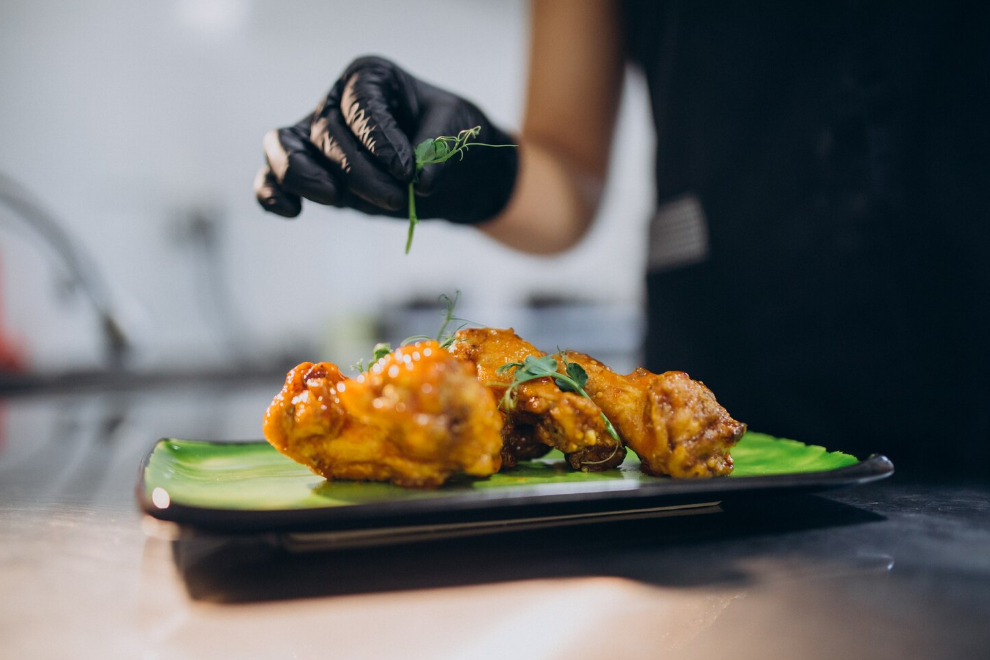
Chicken is the most consumed protein in many parts of the world, yet it remains one of the most frequently mishandled ingredients in home kitchens. The difference between a dry, stringy breast and a succulent, tender cut often comes down to a few critical scientific principles and technique adjustments rather than expensive equipment or rare ingredients. Achieving that restaurant-quality texture requires an understanding of muscle fiber behavior, moisture retention mechanisms, and the precise application of heat. By shifting focus from guesswork to methodical preparation, cooks can consistently produce poultry that is both safe to eat and exceptionally enjoyable.
Understanding the Anatomy of Moisture Loss
To master chicken cookery, one must first understand why the meat dries out. Chicken muscle fibers are composed of proteins that contract when heated. As the internal temperature rises, these fibers squeeze together, expelling the water trapped within them. This process accelerates dramatically once the meat exceeds 150°F (65°C). The goal is not to prevent contraction entirely—that is impossible—but to manage it so that the juices remain within the muscle structure rather than leaking onto the plate.
The primary culprit in dry chicken is overcooking, but the margin for error is smaller than many realize. White meat, specifically the breast, has less fat and connective tissue than dark meat, making it far less forgiving. According to food safety guidelines established by the USDA, poultry must reach an internal temperature of 165°F (74°C) to eliminate harmful bacteria like Salmonella. However, holding chicken at this temperature for too long results in immediate moisture loss. Professional chefs often rely on the concept of carryover cooking, where the residual heat continues to raise the internal temperature after the meat is removed from the heat source. Pulling chicken off the heat at 160°F (71°C) allows it to rest and reach the safe 165°F mark without crossing into the dry, overcooked zone. Resources from Food Safety.gov provide detailed charts on safe minimum internal temperatures that are essential for balancing safety with quality.
Another factor influencing moisture is the structural integrity of the muscle fibers themselves. When chicken is cooked too quickly at high temperatures, the outer layers contract violently before the center is done, squeezing out juices prematurely. Conversely, gentle heating allows for a more even denaturation of proteins. This is why techniques like poaching or low-temperature roasting often yield more tender results than high-heat searing alone. Understanding these biological reactions transforms cooking from a guessing game into a predictable science. For those interested in the deeper biochemistry of meat cooking, Serious Eats offers extensive breakdowns of protein denaturation and heat transfer.
The Critical Role of Brining and Salting
Perhaps no single technique has a more profound impact on juiciness than proper salting, specifically through brining or dry-brining. Salt does more than season; it fundamentally alters the protein structure of the meat. When salt is applied to chicken, it dissolves into the natural juices, creating a brine that penetrates the muscle fibers. Through a process called osmosis and diffusion, this saline solution moves deep into the tissue. The salt causes the muscle proteins to unwind and swell, creating more space to hold water. During cooking, these swollen proteins coagulate less tightly, retaining significantly more moisture than unsalted meat.
Wet brining involves submerging the chicken in a solution of water, salt, and often sugar or aromatics. This method is highly effective for lean cuts like breasts, which benefit from the added hydration. The America’s Test Kitchen has conducted numerous experiments demonstrating that wet-brined chicken can retain up to 10% more moisture than non-brined counterparts. However, wet brining has downsides; it can dilute the natural chicken flavor and make achieving a crispy skin more difficult due to the excess surface moisture.
Dry brining, or salting the meat and letting it rest uncovered in the refrigerator, offers a compelling alternative. In this method, salt draws out natural juices, which then dissolve the salt and are reabsorbed along with the dissolved proteins. This concentrates the chicken flavor rather than diluting it and helps dry out the skin, promoting superior browning and crispiness. The key to successful dry brining is time; allowing the salt to work for at least 4 hours, preferably overnight, ensures deep penetration. Culinary institutes like the Culinary Institute of America emphasize dry brining as a standard professional practice for achieving both flavor depth and textural perfection.
For whole birds, injection brining is another technique used in commercial settings and competitive barbecue. This involves injecting a seasoned saline solution directly into the thickest parts of the meat. While less common in home kitchens, it guarantees that the interior of a large bird remains moist even if the exterior is exposed to high heat for an extended period. Regardless of the method chosen, the chemical interaction between sodium ions and muscle proteins is the foundation of tender chicken. Ignoring this step often leads to mediocre results, regardless of how carefully the heat is managed later.
Temperature Control and Cooking Methods
The method of heat application dictates the final texture of the chicken. Different cuts require different approaches based on their fat content and connective tissue. Breast meat thrives with gentle, controlled heat, while legs and thighs benefit from higher temperatures and longer cooking times to break down collagen into gelatin.
Roasting is a versatile method, but it requires strategic temperature management. Starting a whole bird at a high temperature (425°F–450°F) renders fat and crisps the skin, but finishing at a lower temperature (325°F–350°F) ensures the interior cooks evenly without drying out. Alternatively, spatchcocking—removing the backbone and flattening the bird—creates a uniform thickness that allows for consistent cooking across the entire surface. This technique reduces cooking time and eliminates the common problem of dry breasts paired with undercooked thighs. Detailed guides on spatchcocking techniques can be found on Bon Appétit, highlighting its efficiency for home cooks.
Sous vide cooking represents the pinnacle of temperature precision. By sealing chicken in a vacuum bag and immersing it in a water bath held at an exact temperature, the meat cooks evenly from edge to edge. For chicken breasts, a sous vide temperature of 140°F–145°F held for an hour pasteurizes the meat while keeping it incredibly juicy, far surpassing the texture achievable with traditional methods. While this requires specific equipment, the results are scientifically reproducible. Once cooked sous vide, the chicken can be quickly seared in a hot pan to develop flavor and color without risking overcooking.
Pan-searing and sautéing are ideal for cutlets and strips but demand vigilance. Pounding the meat to an even thickness before cooking ensures that the entire piece finishes at the same time. Using a heavy-bottomed skillet, such as cast iron or stainless steel, provides consistent heat distribution. It is crucial to avoid overcrowding the pan, which lowers the temperature and causes the chicken to steam rather than sear, leading to a gray, tough exterior. The FDA provides guidelines on proper handling and cooking practices to ensure that rapid cooking methods do not compromise food safety.
Grilling introduces the variable of direct versus indirect heat. Direct heat is excellent for searing and marking, but leaving chicken over open flames for the entire duration guarantees dryness. The two-zone fire method, where one side of the grill is hot and the other is cool, allows for searing followed by gentle finishing. This mimics the oven’s convection environment and gives the interior time to come up to temperature without charring the exterior. Monitoring grill temperature with a reliable thermometer is essential, as grill dials are often inaccurate.
The Non-Negotiable Resting Period
One of the most commonly skipped steps in chicken preparation is resting the meat after cooking. This pause is not merely a suggestion; it is a physiological necessity for juice retention. When chicken is heated, the moisture inside is driven toward the center of the cut due to protein contraction. If the meat is sliced immediately, those pressurized juices flow freely onto the cutting board, leaving the meat dry.
Allowing the chicken to rest for 5 to 10 minutes (longer for whole birds) gives the muscle fibers time to relax and reabsorb the expelled liquids. As the temperature equalizes throughout the cut, the juices redistribute evenly from the center to the edges. Cutting into rested chicken reveals a uniform moisture profile, whereas un-rested chicken shows a ring of dryness around the perimeter. This phenomenon is well-documented in culinary science literature, including resources from Cook’s Illustrated, which frequently tests the impact of resting times on various meats.
During the resting phase, the internal temperature may rise slightly due to carryover cooking, so it is vital to account for this when determining the pull temperature. Covering the chicken loosely with foil during the rest helps retain warmth without trapping steam, which could soften a crispy skin. For fried chicken, resting on a wire rack rather than paper towels prevents the bottom from becoming soggy while allowing the juices to settle. This simple step often distinguishes a good meal from a great one, requiring zero extra effort but yielding significant rewards in texture.
Mechanical Tenderization and Marinades
While salt and heat management are the primary drivers of tenderness, mechanical and chemical tenderization can further enhance texture, particularly for tougher cuts or lean breasts prone to dryness. Mechanical tenderization involves physically breaking down muscle fibers and connective tissues. Techniques include pounding the meat with a mallet, scoring the surface with a knife, or using a needle tenderizer. Pounding chicken breasts to an even quarter-inch thickness not only ensures rapid, even cooking but also physically disrupts the fiber structure, resulting in a more tender bite.
Marinades serve a dual purpose: flavor infusion and tenderization. Acidic ingredients like lemon juice, vinegar, or yogurt can help break down surface proteins, softening the texture. However, caution is required; excessive exposure to strong acids can turn the outer layer of the chicken mushy or mealy. Dairy-based marinades, particularly those using yogurt or buttermilk, are exceptionally effective. The calcium in dairy activates enzymes in the meat that gently break down proteins without the harsh effects of strong acids. This is the secret behind the tenderness of Tandoori chicken and many fried chicken recipes.
Enzymatic marinades utilizing ingredients like pineapple (bromelain), papaya (papain), or kiwi offer powerful tenderizing effects. These enzymes actively digest protein bonds. While effective, they work very quickly and can degrade the meat’s texture if left too long, turning the chicken into a paste. Limiting enzymatic marinades to 30 minutes or less is usually sufficient to achieve tenderness without compromising structural integrity. For a comprehensive overview of how different marinade components interact with meat, Science of Cooking provides valuable insights into the chemistry of food preparation.
It is important to note that marinades primarily affect the surface of the meat. They do not penetrate deeply enough to tenderize the center of a thick cut. Therefore, mechanical tenderization or proper brining is often necessary for thicker pieces. Combining methods—such as dry brining followed by a brief yogurt marinade—can yield exceptional results, layering the benefits of moisture retention and surface softening.
Comparison of Cooking Techniques for Optimal Juiciness
Different cooking methods offer distinct advantages and challenges regarding moisture retention. The following table compares common techniques based on their ability to produce juicy chicken, ease of execution, and best-suited cuts.
| Cooking Method | Moisture Retention Potential | Best Suited Cuts | Key Advantage | Primary Risk |
|---|---|---|---|---|
| Sous Vide | Extremely High | Breasts, Thighs | Precise temperature control eliminates overcooking | Requires specialized equipment; lacks initial browning |
| Dry Brining + Roasting | High | Whole Birds, Bone-in Parts | Concentrates flavor; crisps skin effectively | Requires advance planning (12-24 hours) |
| Poaching | Very High | Breasts, Delicate Cuts | Gentle heat prevents fiber contraction | Can result in bland flavor if liquid is unseasoned |
| Grilling (Two-Zone) | Moderate to High | Thighs, Drumsticks, Skewers | Imparts smoky flavor; renders fat well | Easy to dry out lean cuts if monitored poorly |
| Pan-Searing | Moderate | Cutlets, Strips | Fast; creates flavorful fond for sauces | High risk of uneven cooking if thickness varies |
| Deep Frying | Moderate | Wings, Thighs, Breaded Breasts | Seals surface quickly; retains internal steam | Oil absorption can mask dryness; high calorie count |
| Braising | High | Legs, Thighs, Whole Birds | Breaks down connective tissue into gelatin | Not suitable for lean breast meat (becomes stringy) |
Data derived from comparative culinary analysis suggests that methods allowing for precise temperature control or gentle heat application generally outperform high-heat, fast-cook methods for lean cuts. However, for dark meat, methods that render fat and break down collagen, such as braising or slow-roasting, often provide a superior mouthfeel. The choice of method should always align with the specific cut being prepared to maximize the inherent qualities of the meat.
Common Pitfalls and How to Avoid Them
Even with a solid understanding of technique, several common mistakes can undermine the quest for juicy chicken. One frequent error is relying on visual cues or fixed timers rather than a meat thermometer. Chicken varies in size, density, and starting temperature, meaning a recipe’s suggested cooking time is merely an estimate. Visual doneness, such as clear running juices, is an unreliable indicator of safety or optimal texture. Investing in a high-quality instant-read thermometer is the single most effective upgrade a cook can make. Digital thermometers provide immediate, accurate readings, removing the guesswork entirely. Guidelines from National Institutes of Health related to foodborne illnesses underscore the importance of verifying internal temperatures to prevent illness without overcooking.
Another mistake is cooking chicken straight from the refrigerator. Cold meat placed in a hot pan or oven creates a steep temperature gradient, causing the outside to overcook before the inside reaches the target temperature. Allowing chicken to sit at room temperature for 20 to 30 minutes before cooking promotes more even heat distribution. Additionally, washing raw chicken is a dangerous practice that spreads bacteria around the kitchen without improving the meat’s quality. The CDC explicitly advises against washing poultry, noting that cooking kills bacteria effectively without the need for rinsing.
Over-handling the meat during cooking can also lead to moisture loss. Constantly flipping or pressing down on chicken with a spatula squeezes out juices and interrupts the searing process. Letting the meat develop a crust undisturbed ensures better browning and juice retention. Furthermore, slicing against the grain is crucial for perceived tenderness. Cutting perpendicular to the direction of the muscle fibers shortens them, making the meat easier to chew and seemingly more tender, even if the moisture content is identical.
Frequently Asked Questions
Q: Is it safe to eat chicken that is slightly pink near the bone?
A: Color is not a reliable indicator of doneness. Chicken can remain slightly pink near the bone even when fully cooked to a safe temperature, especially in younger birds or those cooked with certain methods like smoking. The only way to ensure safety is to verify that the internal temperature has reached 165°F (74°C) using a meat thermometer. If the temperature is correct, the meat is safe to consume regardless of color.
Q: Can I brine chicken for too long?
A: Yes. Over-brining can result in meat that is overly salty and has a ham-like, spongy texture. For wet brines, 1 to 2 hours is sufficient for breasts, while whole birds can handle 4 to 12 hours. Dry brining is more forgiving but should generally not exceed 24 hours for smaller cuts or 48 hours for large whole birds. The concentration of salt in the brine also affects timing; stronger brines require less time.
Q: Why does my grilled chicken always turn out dry?
A: Grilled chicken often dries out because of direct, high heat applied for too long. Using a two-zone fire setup allows for searing over direct heat followed by finishing over indirect heat. Additionally, grilling bone-in, skin-on cuts helps protect the meat from drying out compared to boneless, skinless breasts. Marinating or brining before grilling adds a necessary buffer against moisture loss.
Q: Does marinating chicken make it more juicy?
A: Marinades primarily add flavor and can tenderize the surface, but they do not significantly increase the internal moisture content of the meat in the way brining does. Brining introduces salt and water into the muscle fibers, physically increasing their water-holding capacity. For maximum juiciness, brining is superior, though a marinade can improve texture and taste simultaneously.
Q: How long should I let chicken rest before cutting?
A: Small cuts like breasts or thighs should rest for at least 5 to 10 minutes. A whole roasted bird requires 15 to 20 minutes. This allows the juices, which have been driven to the center by heat, to redistribute throughout the meat. Cutting too soon releases these juices onto the cutting board, resulting in drier meat.
Q: Is it better to cook chicken slowly or quickly?
A: The answer depends on the cut. Lean white meat (breasts) benefits from quicker cooking to minimize the time proteins have to contract and squeeze out moisture. Dark meat (legs and thighs) contains more connective tissue and fat, benefiting from slower, longer cooking methods that melt collagen into gelatin, enhancing tenderness and richness. Matching the cooking speed to the cut is essential for optimal results.
Q: Can I freeze chicken after brining it?
A: Yes, you can freeze brined chicken, but it is generally better to brine fresh chicken just before cooking. Freezing can alter the texture of the meat slightly, and the salt may continue to act on the proteins during the freezing and thawing process, potentially leading to a softer, mushier texture. If freezing is necessary, rinse the brine off thoroughly before freezing to halt the curing process.
Q: What is the best oil for searing chicken?
A: Oils with high smoke points are best for searing chicken to prevent burning and off-flavors. Avocado oil, grapeseed oil, and refined canola oil are excellent choices as they can withstand temperatures above 400°F (204°C). Olive oil, particularly extra virgin, has a lower smoke point and is better suited for finishing or lower-heat sautéing.
Conclusion
Achieving consistently juicy and tender chicken is a attainable goal grounded in scientific understanding and disciplined technique. It begins with respecting the biology of the muscle fibers, utilizing salt through brining to enhance water retention, and applying heat with precision. The transition from dry, disappointing poultry to succulent, flavorful meals does not require culinary wizardry but rather a commitment to fundamental principles: measuring temperature accurately, allowing meat to rest, and selecting the appropriate cooking method for the specific cut.
By integrating these practices, cooks can elevate a humble ingredient into a centerpiece of excellence. The difference lies in the details—the few degrees of temperature managed by a thermometer, the hours of salt penetration, and the patience to let the meat rest. As culinary skills evolve, these techniques become second nature, transforming every chicken dish into a demonstration of mastery. Whether roasting a whole bird, grilling skewers, or pan-searing cutlets, the application of these evidence-based strategies ensures that the final result is always moist, tender, and deeply satisfying. The journey to perfect chicken is one of continuous refinement, where each meal offers an opportunity to apply these timeless principles for a better dining experience.