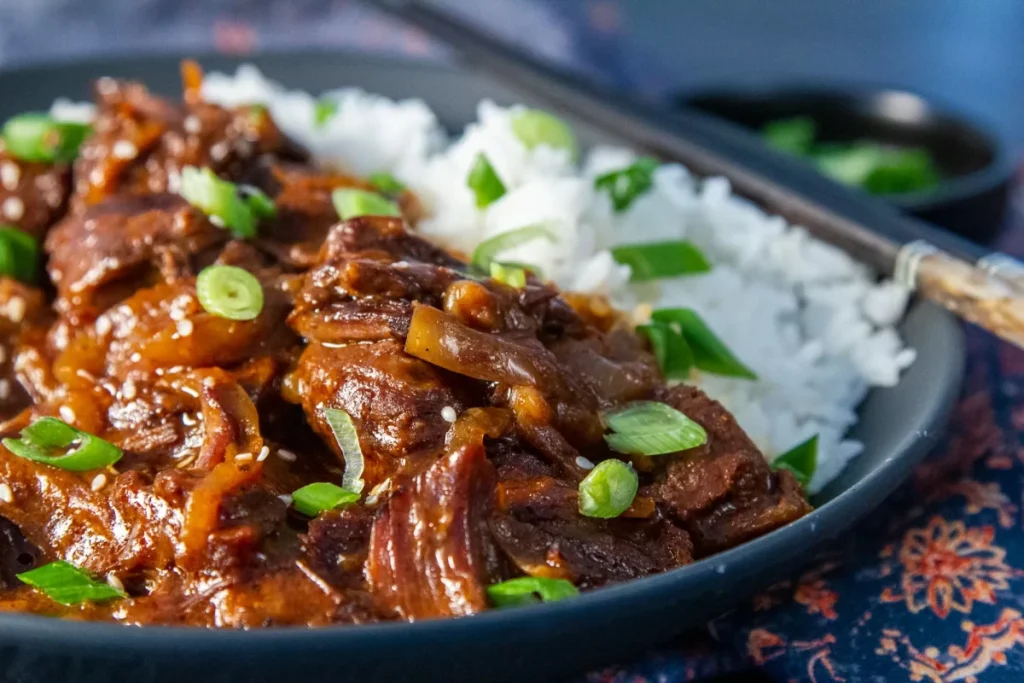
There is a distinct comfort found in a meal that requires minimal cleanup yet delivers maximum flavor. The one-pot chicken and rice recipe stands as a testament to culinary efficiency, bridging the gap between weeknight practicality and weekend indulgence. This dish, often referred to as “Arroz con Pollo” in Latin American cultures or simply “chicken and rice” in American households, relies on the fundamental principle of cooking protein and starch together in a single vessel. The result is a harmonious blend where the rice absorbs the savory juices of the chicken, creating a texture and depth of flavor that separate cooking methods simply cannot replicate. For home cooks seeking a reliable, nutritious, and satisfying dinner, mastering this technique offers a lifetime of delicious returns.
The Science of the One-Pot Method
Understanding why this dish works so well requires a brief look at the chemistry of cooking. When chicken and rice are prepared separately, the flavors remain isolated. The chicken retains its own juices, and the rice absorbs only water or plain stock. However, in a one-pot method, the Maillard reaction—the chemical reaction between amino acids and reducing sugars that gives browned food its distinctive flavor—plays a pivotal role. By searing the chicken first in the same pot used for the rice, the fond (the browned bits stuck to the bottom) becomes the flavor foundation for the entire dish. As the liquid is added and the rice simmers, it deglazes the pan and lifts these concentrated flavors, distributing them evenly throughout the grains.
The absorption method used in this recipe is similar to how pilaf is traditionally prepared, where fat coats the grains before liquid is introduced. This coating helps keep the grains separate and prevents them from becoming gummy. Furthermore, cooking the chicken directly in the simmering liquid allows the collagen in the meat to break down slowly, enriching the broth and ensuring the meat remains tender rather than drying out, a common issue when chicken breasts are overcooked in isolation. The USDA Food Safety and Inspection Service emphasizes the importance of reaching specific internal temperatures, and the one-pot method facilitates even heat distribution, helping the chicken reach the safe threshold of 165°F (74°C) without sacrificing moisture.
Selecting the Right Ingredients for Success
The simplicity of a one-pot chicken and rice recipe means that the quality of ingredients directly dictates the final outcome. There is no complex sauce to hide behind; every component must pull its weight.
The Chicken: Cut and Quality
While boneless, skinless chicken breasts are popular for their leanness, bone-in, skin-on thighs are often superior for one-pot cooking. The higher fat content in thighs provides a buffer against overcooking, and the bones contribute gelatin to the cooking liquid, enhancing the mouthfeel of the rice. If using breasts, it is crucial to monitor cooking times closely to prevent toughness. Sourcing high-quality poultry is essential; looking for labels such as “air-chilled” can indicate better texture and flavor retention, as explained by resources like the Good Housekeeping Institute.
The Rice: Grain Matters
Not all rice behaves the same way. Long-grain white rice, such as Basmati or Jasmine, is typically the best choice for this application. These varieties have a lower starch content compared to short-grain or medium-grain rice, which means they cook up fluffy and distinct rather than sticky or creamy. Short-grain rice, often used in risotto or sushi, releases too much starch for a standard one-pot chicken and rice dish, potentially turning the mixture into a mush. For those interested in whole grains, brown rice can be substituted, but it requires significantly more liquid and a longer cooking time, as detailed in guides from America’s Test Kitchen.
The Liquid Foundation
The liquid used to cook the rice acts as the primary flavor vehicle. While water will suffice, using a high-quality chicken stock or broth elevates the dish instantly. Homemade stock is ideal, but a low-sodium store-bought broth allows for better control over the final salt level. The ratio of liquid to rice is critical; generally, a 2:1 ratio is standard for long-grain white rice, though this can vary slightly depending on the specific brand and age of the rice.
Aromatics and Vegetables
Aromatic vegetables form the flavor base, often called a sofrito or mirepoix depending on the cuisine. Onions, garlic, carrots, and celery are staples. Bell peppers add a subtle sweetness and color. Frozen peas are a classic addition, usually stirred in during the last few minutes of cooking to retain their bright green color and pop. Using fresh herbs like thyme, rosemary, or parsley adds a layer of freshness that cuts through the richness of the dish. The University of Illinois Extension notes that building layers of flavor with aromatics reduces the need for excessive salt, promoting a healthier final product.
Step-by-Step Preparation Guide
Executing a perfect one-pot chicken and rice dish requires attention to sequence. Skipping steps, such as failing to sear the meat or lifting the lid too early, can compromise the texture.
Step 1: Preparation and Seasoning
Begin by patting the chicken completely dry with paper towels. Moisture on the surface of the meat creates steam, which inhibits browning. Season the chicken generously with salt and pepper. If using bone-in pieces, season under the skin if possible to ensure the meat itself is flavored. Chop all vegetables into uniform sizes to ensure even cooking; onions and carrots should be diced small, while garlic is minced.
Step 2: The Sear
Heat a large, heavy-bottomed skillet or Dutch oven over medium-high heat. Add a tablespoon of oil with a high smoke point, such as avocado or canola oil. Place the chicken in the pot, skin-side down, and do not disturb it for several minutes. The goal is a deep golden-brown crust. This step is non-negotiable for flavor development. Once browned, remove the chicken and set it aside on a plate. It does not need to be cooked through at this stage.
Step 3: Building the Flavor Base
In the same pot, with the rendered chicken fat and fond still present, add the chopped onions, carrots, and celery. Sauté until the onions are translucent and the vegetables begin to soften. Add the garlic and cook for another minute until fragrant, being careful not to burn it. If using spices like paprika, cumin, or turmeric, add them now to toast them slightly in the fat, which unlocks their essential oils.
Step 4: Toasting the Rice
Add the uncooked rice to the vegetable mixture. Stir constantly for two to three minutes. This step, known as toasting, coats the grains in fat and seals the exterior, which helps maintain structural integrity during the simmering process. The rice should turn slightly opaque and smell nutty.
Step 5: Deglazing and Simmering
Pour in the chicken broth, scraping the bottom of the pot vigorously with a wooden spoon to release any remaining browned bits. Return the seared chicken to the pot, nestling it into the rice and liquid. Bring the mixture to a boil, then immediately reduce the heat to the lowest possible setting. Cover the pot with a tight-fitting lid. It is vital that the lid fits well to trap the steam necessary for cooking the rice.
Step 6: The Waiting Game
Allow the dish to simmer undisturbed. For white rice, this typically takes 18 to 20 minutes. Do not lift the lid to check progress; releasing the steam drops the temperature and can lead to unevenly cooked rice. Trust the timing. After the allotted time, check if the liquid has been absorbed and the rice is tender. If the chicken was large or bone-in, verify the internal temperature with a meat thermometer.
Step 7: Resting and Serving
Once cooked, remove the pot from the heat but keep the lid on. Let it rest for 5 to 10 minutes. This resting period allows the moisture to redistribute throughout the rice, preventing it from clumping when fluffed. Stir in frozen peas or fresh herbs at this stage. Fluff the rice gently with a fork before serving.
Troubleshooting Common Issues
Even experienced cooks encounter variables that can affect the outcome. Understanding how to adjust ensures consistency.
Soggy or Mushy Rice: This is often caused by too much liquid or lifting the lid too frequently. If the rice is consistently soft, try reducing the liquid by a quarter cup in the next attempt. Ensure the heat is low enough; a vigorous boil will break down the grains before the water is fully absorbed.
Burnt Bottom: If the bottom of the rice burns while the top remains undercooked, the heat is likely too high. Use a heavy-bottomed pot like cast iron or enameled steel, which distributes heat more evenly than thin stainless steel. Placing a heat diffuser under the pot can also help regulate temperature.
Undercooked Chicken: If the rice is done but the chicken hasn’t reached 165°F, remove the chicken, cut it into smaller pieces, and return it to the pot to finish cooking in the residual heat, or cover and cook for an additional 5 minutes. The Centers for Disease Control and Prevention (CDC) advises that proper cooking is the most effective way to kill harmful bacteria.
Dry Rice: If the rice is hard and crunchy, there was insufficient liquid. In this case, add a small amount of hot water or broth, cover, and continue cooking on low heat for a few more minutes.
Nutritional Profile and Dietary Adaptations
One-pot chicken and rice is inherently balanced, providing lean protein, carbohydrates for energy, and vegetables for micronutrients. A standard serving offers a complete meal without the need for side dishes. However, the recipe is highly adaptable to various dietary needs.
For those monitoring sodium intake, using low-sodium broth and relying on fresh herbs, citrus juice, and spices for flavor is an effective strategy. The American Heart Association recommends limiting sodium to support heart health, and homemade versions of this dish allow for precise control over salt content compared to restaurant or pre-packaged alternatives.
To increase fiber content, substituting half of the white rice with quinoa or using brown rice adds significant nutritional value. Quinoa, technically a seed, cooks in a similar timeframe to white rice and offers a complete protein profile. Adding extra vegetables like spinach, kale, or zucchini boosts vitamin content without adding many calories. For gluten-free diets, this dish is naturally compliant, provided the broth and spices used do not contain hidden gluten additives. Always verify labels on processed ingredients like broth cubes or spice blends.
Global Variations and Flavor Profiles
The concept of cooking chicken and rice together is universal, with each culture adding its unique signature. Exploring these variations can inspire new twists on the basic recipe.
- Spanish Arroz con Pollo: This version typically includes saffron, which gives the rice a vibrant yellow color and distinct earthy flavor. Tomatoes, green olives, and pimentos are common additions, creating a briny, tangy profile.
- Middle Eastern Chicken Mansaf or Kabsa: These dishes often utilize a blend of warming spices like cardamom, cinnamon, and cloves. Yogurt or dried lime (loomi) might be incorporated for acidity and depth.
- Caribbean Pelau: A Trinidadian favorite, Pelau involves caramelizing sugar with the chicken before adding rice and pigeon peas. Coconut milk is frequently used as part of the cooking liquid, imparting a rich, creamy texture and tropical sweetness.
- Greek Kotopoulo me Ryzi: This comforting dish often features lemon juice and oregano, sometimes with an egg-lemon sauce (avgolemono) stirred in at the end for creaminess.
Each variation adheres to the same mechanical principles: sear, sauté, simmer, and rest. The Smithsonian Institution often highlights how migration and trade have influenced these staple dishes, showing how a simple combination of chicken and rice tells a story of global connectivity.
Comparison of Cooking Methods
To fully appreciate the one-pot method, it is helpful to compare it against other common techniques for preparing chicken and rice.
| Feature | One-Pot Method | Separate Cooking (Boiled Rice + Roasted Chicken) | Rice Cooker + Pan-Seared Chicken |
|---|---|---|---|
| Flavor Integration | High: Rice absorbs chicken juices and fond directly. | Low: Flavors remain distinct; requires sauce to bridge. | Medium: Chicken flavor is isolated; rice is neutral. |
| Cleanup Effort | Minimal: Only one pot and utensils to wash. | High: Requires sheet pan, pot, and multiple bowls. | Medium: Requires rice cooker insert and frying pan. |
| Texture Consistency | Unified: Rice and chicken finish cooking simultaneously. | Variable: Risk of drying out chicken while waiting for rice. | Variable: Timing coordination required between appliances. |
| Nutrient Retention | High: Water-soluble vitamins stay in the absorbed liquid. | Medium: Boiling rice may lose some nutrients to drain water. | High: Similar to one-pot if liquid is absorbed. |
| Forgiveness | Moderate: Requires timing precision for liquid ratio. | High: Each component can be adjusted independently. | High: Rice cooker automates the grain cooking. |
| Best Use Case | Weeknight dinners, meal prep, comfort food. | Formal dinners, specific textural preferences. | Busy households with automated appliances. |
As illustrated, the one-pot method excels in flavor integration and ease of cleanup, making it ideal for efficient home cooking. While separate cooking offers more control over individual textures, it sacrifices the synergistic flavor that defines this dish.
Expert Tips for Elevating the Dish
To transition from a good one-pot meal to an exceptional one, consider these professional insights. First, acidity is the secret weapon. A splash of lemon juice or a teaspoon of vinegar stirred in just before serving brightens the entire dish, cutting through the richness of the chicken fat and starch. This balance is a cornerstone of professional cooking, as noted by culinary institutes worldwide.
Second, consider the cut of the vegetables. Uniformity is not just for aesthetics; it ensures that carrots and celery cook at the same rate as the onions. If pieces are vastly different sizes, some will be mushy while others remain crunchy. Third, let the dish rest. Just as a steak needs to rest to reabsorb juices, rice needs time off the heat to settle. Disturbing it immediately releases steam rapidly, leaving the grains dry and brittle on the surface.
Finally, do not underestimate the power of garnish. Fresh parsley, cilantro, or chives added at the very end provide a burst of color and a fresh aromatic note that contrasts beautifully with the warm, savory depths of the cooked dish. These small touches signal care and attention to detail, elevating the dining experience.
Frequently Asked Questions
Can I use instant rice for this recipe?
While instant rice can be used, it is not recommended for the traditional one-pot method. Instant rice is pre-cooked and dehydrated, meaning it absorbs liquid much faster and does not benefit from the toasting step. This often results in a mushy texture and less flavor absorption. For the best results, stick to regular long-grain white rice. If time is a constraint, prepare the chicken and vegetables first, then stir in cooked instant rice at the end just to heat through, though this changes the nature of the dish.
Is it possible to make this dish dairy-free?
Yes, the standard one-pot chicken and rice recipe is naturally dairy-free. It relies on oil, broth, and vegetables. Some variations, like the Greek style, may include butter or an egg-lemon sauce, but these can easily be omitted or substituted with olive oil to maintain a dairy-free profile. Always check the label on store-bought broths, as some creamy varieties may contain milk derivatives.
How do I store and reheat leftovers?
Leftovers should be cooled to room temperature within two hours and stored in an airtight container in the refrigerator. They will keep safely for 3 to 4 days. When reheating, the rice may have absorbed more moisture and become dry. To restore texture, sprinkle a tablespoon of water or broth over the portion before microwaving or reheating in a skillet covered with a lid. This generates steam to rehydrate the grains. The FDA Food Code provides guidelines on safe storage times to prevent foodborne illness.
Can I freeze one-pot chicken and rice?
Yes, this dish freezes well. Portion it into freezer-safe containers and freeze for up to 3 months. Note that the texture of the rice may change slightly upon thawing, becoming somewhat softer. Vegetables like potatoes may also become mealy. It is best to freeze the dish without delicate vegetables like peas, adding them fresh upon reheating. Thaw overnight in the refrigerator before reheating thoroughly.
What if I want to add wine to the recipe?
Adding wine is an excellent way to deepen the flavor profile. After sautéing the vegetables and toasting the rice, pour in about half a cup of dry white wine (such as Sauvignon Blanc or Pinot Grigio). Allow it to simmer and reduce by half before adding the chicken broth. This cooks off the alcohol while leaving behind the acidic and fruity notes that complement the chicken. Ensure the wine is one you would drink, as cooking concentrates both the good and bad qualities of the wine.
Why is my rice sticking to the bottom of the pot?
Sticking usually occurs due to high heat or insufficient fat. Ensure the pot is heavy-bottomed to distribute heat evenly. Before adding the liquid, make sure the rice is well-coated in oil or fat. Once the liquid is added and the boil is reached, immediately drop the heat to the lowest setting. If using a gas stove, a flame tamer or heat diffuser can prevent hot spots that cause burning.
Conclusion
The one-pot chicken and rice recipe represents the pinnacle of practical home cooking. It combines nutritional balance, deep flavor, and operational efficiency into a single dish that has sustained families across generations and cultures. By understanding the science behind the sear, the importance of ingredient selection, and the mechanics of the absorption method, any cook can master this meal. It serves as a reminder that great food does not require complexity or expensive equipment; rather, it demands respect for the ingredients and patience with the process.
Whether prepared as a quick Tuesday night dinner or a comforting weekend lunch, this dish offers versatility and reliability. The ability to adapt it to various dietary needs and global flavor profiles ensures it remains relevant in modern kitchens. As home cooks continue to seek meals that are both wholesome and convenient, the one-pot chicken and rice stands ready to deliver, proving that sometimes the simplest solutions are the most profound. With the right techniques and a focus on quality components, this humble meal transforms into a culinary highlight that satisfies both the palate and the soul.