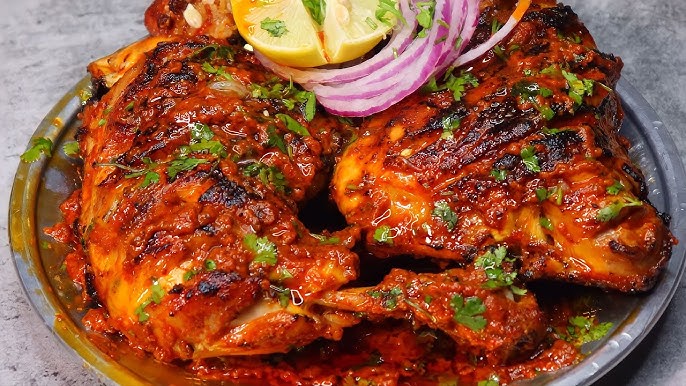
The allure of tandoori chicken lies in its smoky aroma, vibrant red hue, and the distinct char that defines authentic Indian cuisine. Traditionally, this dish is cooked in a tandoor, a cylindrical clay oven that reaches searing temperatures, locking in juices while imparting a unique earthy flavor. However, the absence of a tandoor or a conventional oven should never be a barrier to enjoying this culinary masterpiece. In fact, some of the most exceptional versions of this dish are prepared on stovetops, grills, and even air fryers, proving that technique often outweighs equipment. By understanding the science behind the marinade, the importance of heat management, and the tricks to replicate smokiness, home cooks can achieve restaurant-quality results without specialized appliances.
The Science of the Marinade: Building Flavor and Texture
The foundation of any great tandoori chicken is the marinade. It serves a dual purpose: tenderizing the meat and infusing it with a complex layer of spices. The traditional recipe relies on yogurt as the primary base, but not just any yogurt will suffice. Thick, hung curd or Greek yogurt is essential because its low moisture content prevents the spices from becoming diluted and ensures the coating adheres properly to the chicken during high-heat cooking. The lactic acid in yogurt acts as a gentle tenderizer, breaking down protein structures over time without making the meat mushy, a process explained in detail by food science resources like Serious Eats.
Beyond yogurt, the inclusion of ginger-garlic paste is non-negotiable. This aromatic duo provides the pungent backbone of the flavor profile. When combined with lemon juice, which adds further acidity, the marinade penetrates deep into the muscle fibers. For those seeking an extra layer of tenderness, a small amount of raw papaya paste can be introduced. Papain, an enzyme found in papaya, is a potent meat tenderizer widely recognized in culinary chemistry, as noted by experts at America’s Test Kitchen. However, caution is required; too much papaya or marinating for too long can result in a mealy texture, so timing is critical.
The spice blend, or masala, is where regional variations emerge. While Kashmiri red chili powder is standard for achieving that signature bright red color without excessive heat, other spices like cumin, coriander, garam masala, and dried fenugreek leaves (kasuri methi) add depth. Kasuri methi, in particular, releases a distinctive maple-like aroma when crushed and added to the mix, a technique highlighted in authoritative guides from Bon Appétit. The balance of these spices must be precise; overpowering the chicken with too much turmeric can lead to a bitter taste, while insufficient salt will prevent the flavors from blooming.
Oil plays a subtle yet vital role in the marinade. Mustard oil is traditionally preferred in North Indian cooking for its sharp, pungent kick that mellows out upon heating. If mustard oil is unavailable, a neutral oil with a high smoke point, such as grapeseed or avocado oil, works well. The fat helps carry the fat-soluble flavors of the spices and aids in the browning process during cooking. Understanding the interaction between these ingredients allows cooks to manipulate textures and flavors effectively, ensuring the final product is moist on the inside and beautifully charred on the outside.
Selecting and Preparing the Chicken
The choice of chicken cut significantly impacts the cooking method and final outcome. Traditional tandoori chicken often uses whole legs (drumstick and thigh attached) or skinless thighs. These cuts are favored because they contain more connective tissue and fat compared to breast meat, which helps them remain juicy under high heat. Skinless preparation is crucial; the skin acts as a barrier that prevents the marinade from penetrating the meat and inhibits the formation of the desired charred exterior. Removing the skin also allows the direct application of heat to the flesh, facilitating the Maillard reaction, a chemical process responsible for the browned, flavorful crust, as detailed by The Kitchn.
Preparation involves more than just removing the skin. To ensure the marinade penetrates deeply, deep diagonal slashes should be made into the thickest parts of the meat, cutting down to the bone if using bone-in pieces. This technique increases the surface area, allowing the acidic components of the marinade to work more efficiently. For boneless thighs, scoring the surface lightly is sufficient. It is important to pat the chicken completely dry before applying the marinade. Excess surface moisture creates steam during cooking, which can prevent browning and result in a boiled rather than roasted texture.
Food safety is paramount when handling raw poultry. Cross-contamination must be avoided by using separate cutting boards and utensils for raw chicken and other ingredients. The USDA provides comprehensive guidelines on safe handling practices, emphasizing the importance of washing hands and sanitizing surfaces immediately after contact with raw meat, information available through the USDA Food Safety and Inspection Service. Additionally, the chicken should always be marinated in the refrigerator, never at room temperature, to prevent bacterial growth. The cold environment slows down bacterial proliferation while allowing the enzymatic and acidic tenderization processes to occur safely.
The Marination Process: Timing and Technique
Time is the most underrated ingredient in tandoori chicken. While it is tempting to cook the chicken immediately after mixing the spices, patience yields superior results. A minimum of four hours is recommended, but an overnight marination of 12 to 24 hours is ideal. This extended period allows the salt to diffuse evenly throughout the meat via osmosis, seasoning it from the inside out, while the acids and enzymes work to soften the muscle fibers. According to culinary experts at Cook’s Illustrated, the texture difference between a chicken marinated for one hour versus one marinated overnight is palpable, with the latter exhibiting a more uniform tenderness.
When mixing the marinade, consistency is key. The mixture should be thick enough to coat the back of a spoon but fluid enough to slide into the scores made in the chicken. Rubbing the marinade vigorously into the meat, ensuring it reaches the bottom of every slash, guarantees maximum flavor infusion. Some recipes suggest adding a few drops of red food coloring to mimic the vibrant hue seen in restaurants, but natural alternatives like beetroot juice or annatto oil can achieve a similar visual appeal without artificial additives. The use of natural colorants is increasingly preferred by health-conscious consumers and aligns with clean-eating trends discussed by Healthline.
Before cooking, it is advisable to let the marinated chicken sit at room temperature for about 30 minutes. Taking the chill off the meat ensures more even cooking; if the chicken goes into the pan or onto the grill straight from the refrigerator, the exterior may burn before the interior reaches a safe temperature. This step is particularly important when using high-heat methods like pan-searing or grilling. However, the chicken should not be left out for longer than an hour to avoid entering the “danger zone” where bacteria multiply rapidly.
Stovetop Method: The Cast-Iron Skillet Technique
For those without an oven or outdoor grill, the cast-iron skillet is the most effective tool for replicating tandoori chicken. Cast iron retains heat exceptionally well and distributes it evenly, mimicking the intense, radiating heat of a clay tandoor. To begin, the skillet should be heated over medium-high heat until it is smoking slightly. A small amount of oil with a high smoke point is added to the pan. Placing the marinated chicken pieces into the hot skillet initiates an immediate sear, creating a crust that locks in juices.
The cooking process requires attention to heat management. After searing both sides for 3-4 minutes to develop a char, the heat should be reduced to medium-low. Covering the skillet with a tight-fitting lid traps the heat and steam, allowing the chicken to cook through gently without drying out. This braising effect ensures that the interior reaches the safe internal temperature of 165°F (74°C) while the exterior remains crisp. Using a meat thermometer is the most reliable way to check doneness, eliminating the guesswork often associated with visual cues. Resources like WebMD emphasize the importance of verifying internal temperatures to prevent foodborne illnesses.
Once the chicken is nearly cooked, the lid is removed, and the heat is turned up slightly to re-crisp the exterior. Basting the chicken with melted butter or ghee mixed with leftover marinade (that has not touched raw chicken) or fresh spices adds a glossy finish and an extra layer of flavor. The sizzling sound and the aroma filling the kitchen are indicators of success. This method offers precise control over the cooking environment, making it suitable for apartments or kitchens with limited ventilation compared to open-flame grilling.
Grilling and Air Frying: Alternative High-Heat Methods
Outdoor grilling offers the closest approximation to the traditional tandoor experience, primarily due to the ability to introduce real smoke. Whether using charcoal or gas, the goal is to create a two-zone fire: one side with direct high heat for searing and the other with indirect heat for cooking through. The chicken is first seared over the direct heat to get those coveted grill marks and char, then moved to the cooler side to finish cooking. Soaking wood chips in water and placing them over the coals or in a smoker box on a gas grill infuses the chicken with a smoky flavor that is difficult to replicate indoors. The BBQ Pit Boys often demonstrate how different woods, like hickory or mesquite, can subtly alter the flavor profile of grilled meats.
Air fryers have emerged as a popular alternative for health-conscious cooks seeking a crispy texture with minimal oil. The rapid air circulation in an air fryer mimics the convection effect of an oven but at a faster rate. To prevent the marinade from blowing off due to the powerful fan, it is helpful to spray the basket with oil and arrange the chicken pieces in a single layer without overcrowding. Cooking at 375°F (190°C) for about 20-25 minutes, flipping halfway through, yields a juicy interior with a nicely browned exterior. While the smoky flavor is less pronounced than with grilling, a dash of liquid smoke in the marinade can bridge the gap. Reviews and testing from Consumer Reports highlight the efficiency of air fryers in cooking poultry evenly while retaining moisture.
Both grilling and air frying require slight adjustments to the marinade. For grilling, a slightly thicker marinade helps prevent dripping and flare-ups. For air frying, brushing the chicken with a little oil before cooking enhances browning, as the dry heat environment can sometimes leave the surface looking pale if no fat is present. Regardless of the method chosen, the principle remains the same: high heat to char, followed by controlled cooking to ensure safety and tenderness.
The Art of the “Dhungar” Method: Infusing Smokiness Indoors
One of the most distinctive features of tandoori chicken is its smoky flavor, which is challenging to achieve on a stovetop or in an air fryer. The dhungar method is a traditional Indian technique used to infuse smoke into dishes without a smoker. This process involves placing a small piece of charcoal in a heat-proof bowl (such as a small steel katori) and heating it directly over a flame until it is red hot. The bowl is then placed in the center of the pot or pan containing the cooked chicken.
A teaspoon of ghee or oil is poured over the hot charcoal, which immediately produces thick, aromatic smoke. The pot is quickly covered with a tight lid to trap the smoke inside, sealing the chicken in a smoky environment for 5 to 10 minutes. This simple yet effective trick imparts a profound smoky depth that rivals outdoor grilling. The technique relies on the absorption of volatile compounds from the smoke into the moist surface of the chicken. Culinary historians note that this method has been used for centuries in Indian households to replicate the tandoor flavor, a practice documented in various cultural food archives like those found on National Geographic Food.
Care must be taken when performing the dhungar method to ensure proper ventilation afterward and to avoid burning the plastic handles of cookware. Using metal pots with metal lids is safest. The amount of smoke generated is significant, so turning on the exhaust fan or opening a window is advisable once the lid is removed. This step transforms a good stovetop chicken dish into an authentic tandoori experience, closing the gap between home cooking and restaurant standards.
Comparison of Cooking Methods
Choosing the right cooking method depends on available equipment, desired flavor profile, and time constraints. Each technique offers distinct advantages and trade-offs regarding texture, smokiness, and ease of execution. The following table outlines the key differences to help cooks select the best approach for their situation.
| Feature | Cast-Iron Skillet (Stovetop) | Outdoor Grill | Air Fryer | Traditional Tandoor |
|---|---|---|---|---|
| Smokiness | Low (requires dhungar trick) | High (natural wood/charcoal smoke) | Low (can add liquid smoke) | Very High (clay and charcoal) |
| Texture | Crispy exterior, juicy interior | Charred exterior, firm texture | Uniformly crispy, less char | Distinctive char, tender inside |
| Heat Source | Direct conduction + trapped steam | Radiant heat + convection | Rapid air convection | Radiant heat from clay walls |
| Cooking Time | 20–25 minutes | 25–35 minutes | 20–25 minutes | 15–20 minutes |
| Equipment Needed | Heavy skillet, lid | Grill, fuel, tools | Air fryer unit | Clay oven, skewers |
| Best For | Apartments, year-round cooking | Summer gatherings, authentic flavor | Quick meals, lower fat options | Authentic restaurant experience |
| Temperature Control | High precision | Moderate (depends on fire) | Automated settings | Skill-dependent |
This comparison illustrates that while the traditional tandoor offers unparalleled results, the stovetop and air fryer methods provide accessible alternatives that do not compromise significantly on taste or texture when executed correctly. The grill remains the top choice for those seeking natural smokiness without additional steps.
Serving Suggestions and Accompaniments
Tandoori chicken is rarely served in isolation; it is part of a larger culinary ecosystem. Traditional accompaniments enhance the dining experience by providing contrasting textures and flavors. Mint chutney and onion rings are classic pairings; the freshness of the mint cuts through the richness of the spiced chicken, while the sharp crunch of raw onions adds textural variety. Lemon wedges are essential, allowing diners to add a burst of acidity that brightens the overall flavor profile.
For a complete meal, tandoori chicken pairs excellently with naan bread or laccha paratha. These breads are perfect for scooping up any remaining marinade juices and balancing the spiciness. Side dishes like cucumber raita (yogurt with cucumbers and spices) provide a cooling counterpoint to the heat of the chili powder. Pilaf rice or biryani can also serve as a substantial base, turning the dish into a hearty feast. The balance of spicy, tangy, creamy, and crunchy elements is a hallmark of Indian meal planning, ensuring a satisfying sensory experience.
Beverage pairings also play a role. Lassi, a yogurt-based drink, is a traditional choice that aids digestion and cools the palate. For non-alcoholic options, sparkling water with lime or a light herbal tea complements the spices without overwhelming them. Understanding these pairings elevates the meal from a simple dish to a well-rounded culinary event, reflecting the holistic approach to dining found in Indian culture.
Common Mistakes and Troubleshooting
Even with a perfect recipe, pitfalls can occur. One common issue is dry, tough chicken. This usually results from overcooking or using lean breast meat without adequate fat. Switching to bone-in thighs and monitoring internal temperature strictly can prevent this. Another frequent mistake is a lack of color. If the chicken looks pale, it may be due to insufficient heat or a marinade lacking in coloring agents like Kashmiri chili or beet juice. Increasing the searing time or adjusting the spice blend can resolve this.
Sogginess is another concern, often caused by a marinade that is too watery or overcrowding the pan. Ensuring the use of thick yogurt and cooking in batches if necessary allows for proper evaporation and browning. If the chicken burns on the outside before cooking inside, the heat is likely too high. Reducing the temperature after the initial sear and covering the pan helps distribute heat more evenly. Troubleshooting these issues requires an understanding of the variables involved, from ingredient consistency to heat application.
Frequently Asked Questions
Can I use boneless chicken for tandoori chicken?
Yes, boneless chicken thighs or breasts can be used. Boneless thighs are preferred over breasts because they retain moisture better during high-heat cooking. However, cooking time will be reduced, so careful monitoring is required to prevent drying out. Bone-in pieces generally yield more flavor and juiciness.
How long can I store leftover tandoori chicken?
Cooked tandoori chicken can be stored in an airtight container in the refrigerator for up to 3-4 days. For longer storage, it can be frozen for up to 3 months. When reheating, use an oven or air fryer to restore crispiness; microwaving may make the texture rubbery.
Is it possible to make tandoori chicken dairy-free?
Traditional recipes rely on yogurt, but dairy-free alternatives exist. Coconut yogurt or a marinade based on cashew paste and lemon juice can substitute for yogurt. While the flavor profile will shift slightly, the tenderizing effect of the acid and enzymes can still be achieved.
What gives tandoori chicken its red color?
The vibrant red color traditionally comes from Kashmiri red chili powder, which provides color without intense heat. Some restaurants use red food coloring for a more vivid hue. Natural alternatives include beetroot juice, paprika, or annatto oil.
Can I prepare the marinade in advance?
Yes, the marinade can be prepared up to two days in advance and stored in the refrigerator. However, it is best to mix the chicken with the marinade no more than 24 hours before cooking to maintain optimal texture, as prolonged exposure to acid can eventually degrade the meat quality.
Do I need to flip the chicken while cooking in a skillet?
Yes, flipping is essential to ensure even cooking and charring on both sides. Initially, sear one side until golden brown, then flip and repeat. If covering the pan to finish cooking, flipping halfway through the covered phase helps distribute heat uniformly.
What if I don’t have Kashmiri chili powder?
If Kashmiri chili powder is unavailable, a combination of regular paprika (for color) and a small amount of cayenne pepper (for heat) can be used. Adjust the ratio to match the desired level of spiciness while maintaining the red hue.
Is tandoori chicken gluten-free?
In its basic form, tandoori chicken is naturally gluten-free, as the marinade consists of yogurt, spices, and aromatics. However, if serving with naan or certain sauces, cross-contamination or added ingredients could introduce gluten. Always verify the labels of pre-made spice blends or sauces.
Conclusion
Mastering tandoori chicken without an oven is a testament to the adaptability of traditional cooking techniques. By focusing on the fundamentals of marination, heat management, and flavor infusion, home cooks can produce dishes that rival those from professional tandoors. The cast-iron skillet, outdoor grill, and air fryer each offer unique pathways to achieving the perfect balance of char and juiciness, proving that equipment limitations need not hinder culinary creativity. The dhungar method further bridges the gap, bringing the elusive smoky essence into any kitchen.
The journey to perfect tandoori chicken is one of experimentation and refinement. Understanding the science behind the ingredients empowers cooks to troubleshoot issues and customize flavors to their preference. Whether preparing a quick weeknight dinner or a festive feast, the principles outlined here provide a robust framework for success. With attention to detail and a respect for the process, the vibrant, aromatic, and succulent results of tandoori chicken are well within reach for anyone willing to embrace the heat. The next step is simply to gather the ingredients, fire up the stove or grill, and experience the satisfaction of creating a classic dish with personal flair.