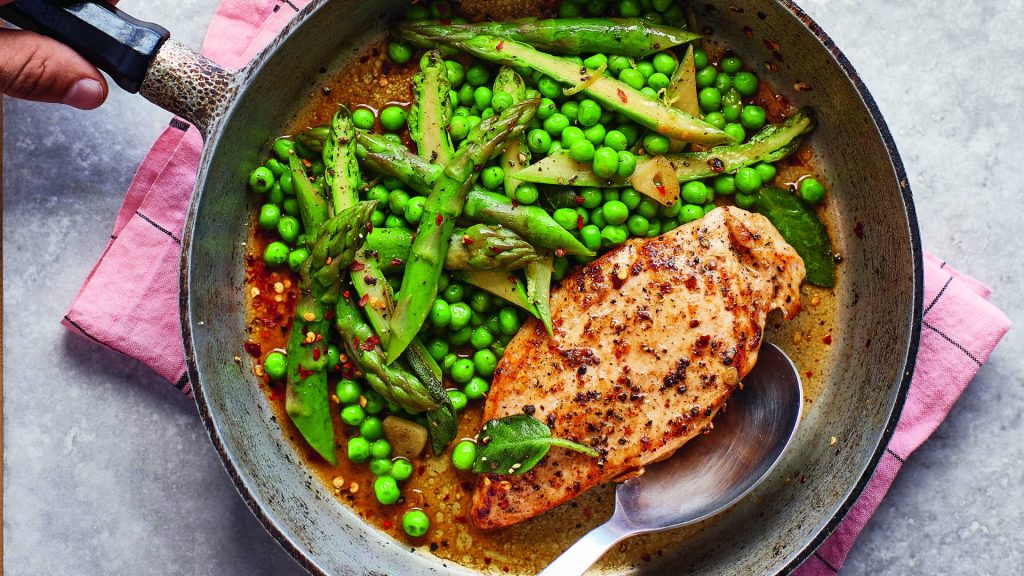
Transitioning to a ketogenic lifestyle often feels like navigating a culinary maze, but for those prioritizing low-carb nutrition, chicken remains the most versatile and reliable cornerstone of the diet. Its neutral flavor profile acts as a perfect canvas for a vast array of fats, herbs, and low-carb vegetables, making it an ideal starting point for anyone new to macronutrient tracking. The shift from a glucose-burning metabolism to a fat-burning state requires precise dietary adjustments, and understanding how to prepare poultry correctly ensures that beginners can maintain ketosis without sacrificing flavor or satiety. This comprehensive guide explores the science behind keto-friendly poultry preparation, offers detailed recipe frameworks, and provides the structural knowledge needed to build a sustainable low-carb meal plan.
The Science of Chicken in a Ketogenic Diet
Chicken is not merely a convenient protein source; it is a metabolic tool that, when prepared correctly, supports the strict macronutrient ratios required for ketosis. The standard ketogenic diet typically demands that carbohydrates constitute only 5% to 10% of total daily energy intake, with protein moderating at around 20% to 25%, and fats making up the remaining 70% to 75%. According to data from the USDA FoodData Central, skinless chicken breast is exceptionally lean, containing nearly zero carbohydrates, which allows dieters to allocate their limited carb allowance to nutrient-dense vegetables. However, the leanness of white meat presents a challenge: without the addition of healthy fats, it cannot sustain the energy requirements of a keto diet.
The key to successful keto cooking lies in the modification of traditional recipes to increase lipid content while eliminating hidden sugars and starches. For instance, breading chicken with flour or breadcrumbs introduces rapid-digesting carbohydrates that can spike insulin levels and halt ketone production. Instead, culinary experts recommend utilizing almond flour, crushed pork rinds, or grated Parmesan cheese to achieve a crispy texture. Research published in journals focusing on nutritional biochemistry suggests that maintaining stable blood glucose levels is critical for the brain to adapt to using ketones as fuel. By selecting cuts of chicken that include the skin or pairing lean cuts with avocado oil, olive oil, or butter, beginners can create meals that are both satiating and metabolically appropriate.
Furthermore, the quality of the chicken itself plays a role in the overall nutritional profile. Pasture-raised and organic options often contain higher levels of omega-3 fatty acids and fat-soluble vitamins compared to conventionally raised birds. The American Heart Association notes that while all poultry can be part of a heart-healthy diet, the method of preparation significantly impacts cardiovascular risk factors. Frying chicken in seed oils high in omega-6 fatty acids can promote inflammation, whereas roasting or sautéing in stable fats like ghee or tallow aligns better with the anti-inflammatory goals of many ketogenic practitioners. Understanding these nuances allows beginners to move beyond simple calorie counting and focus on nutrient density and hormonal response.
Essential Techniques for High-Fat, Low-Carb Preparation
Mastering a few fundamental cooking techniques transforms basic chicken into gourmet keto meals that keep hunger at bay. The primary objective is to ensure that every bite delivers adequate fat to meet energy needs without relying on processed keto snacks. One of the most effective methods is pan-searing followed by butter basting. This technique involves searing chicken thighs or breasts in a hot skillet with a high-smoke-point oil, then finishing the cooking process by spooning melted butter infused with garlic and herbs over the meat. This method not only keeps the protein moist but also creates a rich sauce that adheres to the chicken, ensuring every mouthful is coated in healthy fats.
Another critical technique is the use of cream-based sauces. In traditional cooking, sauces are often thickened with roux (a mixture of flour and fat) or cornstarch slurry. In a keto context, heavy cream, cream cheese, and reduced dairy serve as excellent thickeners that add richness without carbohydrates. A classic example is a creamy Tuscan chicken, where heavy cream is simmered with spinach, sun-dried tomatoes (in moderation), and garlic until it reduces to a velvety consistency. The Mayo Clinic emphasizes that while saturated fats should be consumed mindfully, they are a necessary energy source in a ketogenic framework, provided the overall diet remains balanced with fiber and micronutrients.
Roasting whole chickens or bone-in, skin-on parts is perhaps the most efficient method for meal prepping. The skin acts as a natural barrier that locks in moisture and renders fat during the cooking process. When roasted at high temperatures, the skin becomes crisp and delicious, providing a significant portion of the meal’s fat content. Beginners often make the mistake of removing the skin to reduce calories, but in a ketogenic diet, the skin is a valuable asset. It is crucial, however, to avoid glazes containing honey, brown sugar, or teriyaki sauce, which are laden with sugars. Instead, dry rubs consisting of paprika, onion powder, garlic powder, salt, and pepper provide robust flavor without impacting blood sugar levels. The Academy of Nutrition and Dietetics supports the idea that flavor can be enhanced through spices and herbs rather than sodium or sugar, promoting long-term adherence to healthy eating patterns.
Grilling offers another avenue for keto-friendly preparation, particularly when using marinades based on oil and vinegar rather than sugary barbecue sauces. A simple marinade of olive oil, lemon juice, rosemary, and thyme penetrates the meat, adding flavor and tenderness. It is important to monitor grilling times to prevent the formation of heterocyclic amines (HCAs), which can occur when meat is charred at very high temperatures. Flipping the chicken frequently and removing any burnt portions mitigates this risk. For those seeking convenience, slow cookers and pressure cookers are invaluable tools. These appliances allow tough cuts of chicken, such as legs and thighs, to become tender over long cooking periods, making them ideal for shredding into salads or mixing with cauliflower rice.
Top Keto Chicken Recipes for Beginners
1. Crispy Parmesan-Crusted Chicken Thighs
Chicken thighs are often favored over breasts in the keto community due to their higher fat content and superior flavor retention. This recipe utilizes a coating of finely grated Parmesan cheese and almond flour to create a golden, crunchy exterior without the need for grains. To prepare, pat the chicken thighs dry to ensure the coating adheres properly. Mix equal parts almond flour and grated Parmesan with dried oregano, garlic powder, and black pepper. Dip each thigh into a beaten egg wash, then press firmly into the cheese mixture. Bake in an oven preheated to 400°F (200°C) on a wire rack to allow air circulation, which promotes even crisping. The result is a dish that mimics the texture of fried chicken but relies on the Maillard reaction between the cheese and proteins for its crunch. Serving this with a side of sautéed zucchini noodles tossed in pesto completes a meal that is high in fat, moderate in protein, and negligible in carbs.
2. Creamy Garlic Butter Tuscan Chicken
This one-pan wonder exemplifies how to incorporate vegetables and fats seamlessly. Start by searing chicken breasts or cutlets in olive oil until golden brown, then remove them from the pan. In the same skillet, melt a generous amount of butter and sauté minced garlic until fragrant. Add heavy cream and bring it to a gentle simmer, allowing it to reduce slightly. Stir in fresh spinach and a small amount of chopped sun-dried tomatoes (oil-packed, drained well to minimize sugar). Return the chicken to the pan, spooning the sauce over the top, and let it finish cooking in the liquid. The cream absorbs the flavors of the garlic and herbs, creating a luxurious sauce that clings to the meat. This dish is particularly effective for beginners because it demonstrates how to build a complete meal in a single vessel, minimizing cleanup while maximizing nutrient intake. Nutritional analysis from resources like NutritionData confirms that heavy cream and butter provide the necessary caloric density to keep energy levels stable throughout the afternoon.
3. Lemon Herb Roasted Whole Chicken
Roasting a whole bird is a cost-effective strategy for feeding a family or preparing meals for the week. Rub the entire chicken with a mixture of softened butter, lemon zest, fresh rosemary, thyme, and salt. Trussing the bird helps it cook evenly and keeps the juices inside. Place the chicken on a bed of hardy low-carb vegetables such as Brussels sprouts, radishes, or celery root, which will roast in the rendered chicken fat. Cooking at a high initial temperature (425°F or 220°C) for the first 20 minutes, then reducing to 375°F (190°C), ensures a crispy skin and juicy interior. The vegetables absorb the drippings, becoming caramelized and flavorful without added sugars. This method highlights the importance of utilizing the whole animal, a principle often cited by sustainability experts and culinary traditionalists. The leftover meat can be shredded for salads, soups, or casseroles, extending the value of the initial effort.
4. Buffalo Chicken Stuffed Avocados
For a quick lunch or light dinner, this recipe combines the bold flavors of Buffalo sauce with the creamy texture of avocado. Shred cooked chicken and mix it with a keto-friendly hot sauce (checking labels to ensure no added sugar) and melted cream cheese or blue cheese dressing. Halve ripe avocados and remove the pits, creating a well for the filling. Spoon the spicy chicken mixture into the avocado halves and top with crumbled blue cheese and chopped chives. Avocados are a powerhouse of monounsaturated fats and fiber, making them an ideal vessel for keto meals. The Harvard T.H. Chan School of Public Health recognizes avocados as a nutrient-dense fruit that supports heart health and satiety. This dish requires no cooking if pre-cooked chicken is used, making it an excellent option for busy weekdays while still adhering to strict macronutrient goals.
5. Coconut Curry Chicken Skillet
Global flavors can easily be adapted to a low-carb framework, as demonstrated by this coconut curry dish. Sauté chicken pieces in coconut oil with curry powder, turmeric, ginger, and cumin. Once the chicken is browned, add full-fat coconut milk and simmer until the chicken is tender and the sauce has thickened. Incorporate low-carb vegetables like bok choy, broccoli florets, or green beans during the last few minutes of cooking. Coconut milk provides a rich source of medium-chain triglycerides (MCTs), which are rapidly converted into ketones by the liver, offering a quick energy source. This recipe illustrates how diverse cuisines can remain compliant with ketogenic standards by swapping starchy bases like rice for cauliflower rice or simply enjoying the curry as a stew. The anti-inflammatory properties of turmeric and ginger, documented by the National Institutes of Health (NIH), add an extra layer of health benefits to this flavorful meal.
Comparative Analysis of Chicken Cuts for Keto
Selecting the right cut of chicken is as important as the cooking method. Different parts of the bird offer varying ratios of protein to fat, which influences how they fit into a daily macro plan. The following table compares common chicken cuts to help beginners make informed decisions based on their specific energy needs and taste preferences.
| Chicken Cut | Fat Content (per 100g, cooked) | Protein Content (per 100g, cooked) | Carb Content | Best Keto Application | Satiety Rating |
|---|---|---|---|---|---|
| Skinless Breast | ~3.6g | ~31g | 0g | Needs added fats (sauces, oils) | Moderate |
| Breast with Skin | ~10g | ~29g | 0g | Roasting, Grilling | High |
| Thigh (Boneless, Skinless) | ~9g | ~26g | 0g | Stir-fries, Curries | High |
| Thigh with Skin | ~15-18g | ~24g | 0g | Frying, Baking, Braising | Very High |
| Drumstick with Skin | ~13g | ~25g | 0g | Roasting, BBQ (sugar-free) | High |
| Wings (Flat/Drumette) | ~19g | ~20g | 0g | Snacks, Appetizers | Very High |
| Ground Chicken | Varies (check label) | ~20-25g | 0g | Meatballs, Burgers | Moderate-High |
Note: Nutritional values are approximate and can vary based on the specific bird and cooking method. Data references general averages from agricultural databases.
This comparison reveals that darker meats with skin intact naturally provide the higher fat content desired in a ketogenic diet, reducing the need to add external fats during cooking. Conversely, lean cuts like skinless breast require deliberate augmentation with oils, butter, or creamy sauces to prevent the meal from becoming too protein-heavy, which could potentially interfere with ketosis if protein intake exceeds gluconeogenesis thresholds. Wings, while high in fat, are often breaded in restaurants, so homemade versions using dry rubs are essential for maintaining compliance. Ground chicken offers versatility but requires careful selection; some blends include skin and dark meat for higher fat, while others are purely lean breast meat. Reading labels or asking the butcher for a specific grind ratio ensures the final dish aligns with dietary targets.
Navigating Common Pitfalls and Hidden Carbs
Even with the best intentions, beginners often encounter hidden carbohydrates that can disrupt ketosis. One of the most common sources of error is the use of processed marinades and sauces. Many store-bought barbecue sauces, teriyaki glazes, and even some “healthy” vinaigrettes contain significant amounts of sugar or high-fructose corn syrup. A single tablespoon of conventional barbecue sauce can contain upwards of 10 grams of sugar, effectively consuming a large portion of a beginner’s daily carb limit. It is imperative to read nutrition labels meticulously or, preferably, prepare sauces at home using keto-approved sweeteners like erythritol or stevia if sweetness is desired. The Food and Drug Administration (FDA) mandates clear labeling of added sugars, which aids consumers in making informed choices, but vigilance is still required.
Another frequent mistake is over-reliance on “keto-labeled” processed foods. While convenient, items like pre-breaded frozen chicken patties or flavored deli slices may contain fillers, starches, or maltodextrin that are not immediately obvious. Whole, unprocessed foods remain the gold standard for a ketogenic diet. Additionally, portion control regarding nuts and seeds used in coatings is vital. While almond flour is low in net carbs compared to wheat flour, it is still calorie-dense and contains some carbohydrates. Overusing these ingredients can inadvertently push daily carb intake over the threshold. Balancing these ingredients with non-starchy vegetables ensures a well-rounded nutrient profile.
Cross-contamination in shared kitchen spaces can also be a concern for those with severe sensitivities or strict protocols, though less critical for general ketosis. Using separate cutting boards and utensils for breading processes involving almond flour versus traditional flour prevents accidental ingestion of gluten or excess carbs. Furthermore, when dining out, communication with restaurant staff is key. Asking for sauces on the side and requesting substitutions for starchy sides (e.g., swapping fries for steamed broccoli) empowers the diner to maintain control over their intake. Resources like the Keto Diet App and other tracking tools can help log these variables and identify patterns where hidden carbs might be creeping in.
Optimizing Nutrient Density and Micronutrients
While macronutrients (fats, proteins, carbs) drive the metabolic state of ketosis, micronutrients (vitamins and minerals) are essential for overall health and preventing the “keto flu” often experienced by beginners. Chicken is a good source of B vitamins, particularly niacin (B3) and pyridoxine (B6), which are crucial for energy metabolism. However, a diet focused heavily on meat can sometimes lack magnesium, potassium, and fiber. Integrating leafy greens, cruciferous vegetables, and avocados alongside chicken dishes addresses these gaps. For example, serving roasted chicken with a side of massaged kale salad dressed in olive oil provides a substantial boost of potassium and magnesium, electrolytes that are often depleted during the initial adaptation phase of ketosis.
The bioavailability of nutrients in chicken is high, meaning the body can easily absorb and utilize the iron, zinc, and selenium present in the meat. Selenium, in particular, plays a vital role in thyroid function and antioxidant defense. Pairing chicken with vitamin C-rich low-carb vegetables like bell peppers or broccoli enhances iron absorption, a synergy supported by nutritional science. Hydration is also paramount; as the body sheds water weight in the early stages of keto, electrolyte balance becomes critical. Broths made from chicken bones are an excellent way to replenish sodium and other minerals while providing collagen, which supports joint and gut health. Making bone broth from leftover carcasses is a practical, zero-waste approach that maximizes the nutritional yield of the bird.
Frequently Asked Questions
Q: Can I eat chicken skin on a keto diet?
A: Yes, chicken skin is highly encouraged on a ketogenic diet. It is composed primarily of fat and protein with zero carbohydrates, making it an excellent source of energy. The fat in the skin helps increase satiety and ensures the meal meets the high-fat requirements of the diet. Just ensure the skin is cooked until crisp for the best texture and is not covered in sugary glazes.
Q: Is fried chicken compatible with keto?
A: Traditional fried chicken coated in wheat flour is not keto-friendly due to the high carbohydrate content of the breading. However, chicken can be fried using keto-compliant coatings such as almond flour, crushed pork rinds, or grated Parmesan cheese. Additionally, the choice of frying oil matters; stable fats like avocado oil, lard, or tallow are preferable to seed oils for maintaining health outcomes while frying.
Q: How much chicken should I eat per day on keto?
A: Protein intake on keto should be moderate, typically ranging from 0.6 to 1.0 grams of protein per pound of lean body mass, depending on activity levels. Eating excessive protein can potentially stimulate gluconeogenesis, where the body converts excess amino acids into glucose, possibly affecting ketosis. It is best to balance chicken portions with ample healthy fats and low-carb vegetables rather than making protein the sole focus of the meal.
Q: Are rotisserie chickens from the grocery store keto-safe?
A: Many store-bought rotisserie chickens are injected with brines containing sugar or dextrose to enhance browning and flavor. It is essential to check the ingredient label or ask the butcher about the preparation method. Plain, herb-roasted varieties are generally safe, but those with honey-glazed or sweet BBQ flavors should be avoided. Removing the skin can reduce some of the surface sugar, but selecting a plain bird is the safer option.
Q: What are the best side dishes to serve with keto chicken?
A: Ideal side dishes are non-starchy vegetables that are low in net carbohydrates. Excellent options include cauliflower rice, zucchini noodles, roasted asparagus, sautéed spinach, broccoli, Brussels sprouts, and green beans. Salads dressed with olive oil and vinegar or creamy dressings without added sugar also complement chicken dishes well. Avoid potatoes, corn, peas, and carrots in large quantities as they are higher in carbohydrates.
Q: Can I meal prep chicken recipes for the entire week?
A: Absolutely. Chicken is one of the best proteins for meal prepping because it reheats well and retains its flavor. Roasted whole chickens, shredded chicken for salads, or casseroles can be prepared in bulk and stored in airtight containers in the refrigerator for up to four days or frozen for longer storage. When reheating, adding a splash of broth or a pat of butter can restore moisture and fat content that may have been lost during storage.
Conclusion
Embarking on a ketogenic journey does not require complex ingredients or elaborate culinary skills; it simply demands a shift in perspective regarding how food is sourced, prepared, and combined. Chicken stands out as the quintessential protein for this lifestyle, offering unparalleled versatility, affordability, and nutritional alignment with low-carb goals. By mastering techniques that prioritize healthy fats—such as keeping the skin on, utilizing cream-based sauces, and selecting grain-free coatings—beginners can create meals that are both satisfying and metabolically efficient. The transition from high-carb dependency to fat adaptation is smoother when the diet is anchored by delicious, nutrient-dense whole foods rather than processed substitutes.
Success in the keto kitchen relies on consistency and education. Understanding the macronutrient composition of different chicken cuts allows for precise meal planning, while awareness of hidden sugars in sauces and marinades prevents unintended metabolic setbacks. The integration of low-carb vegetables and healthy fats transforms simple poultry dishes into powerhouses of nutrition that support sustained energy, mental clarity, and overall well-being. As confidence in the kitchen grows, so too does the ability to experiment with global flavors and innovative textures, proving that a low-carb diet is far from restrictive. With the foundational knowledge of these recipes and techniques, anyone can navigate the path to ketosis with confidence, turning every meal into an opportunity to nourish the body and optimize health. The journey is not just about weight management; it is about reclaiming control over one’s metabolic health through the simple, profound act of cooking real food.