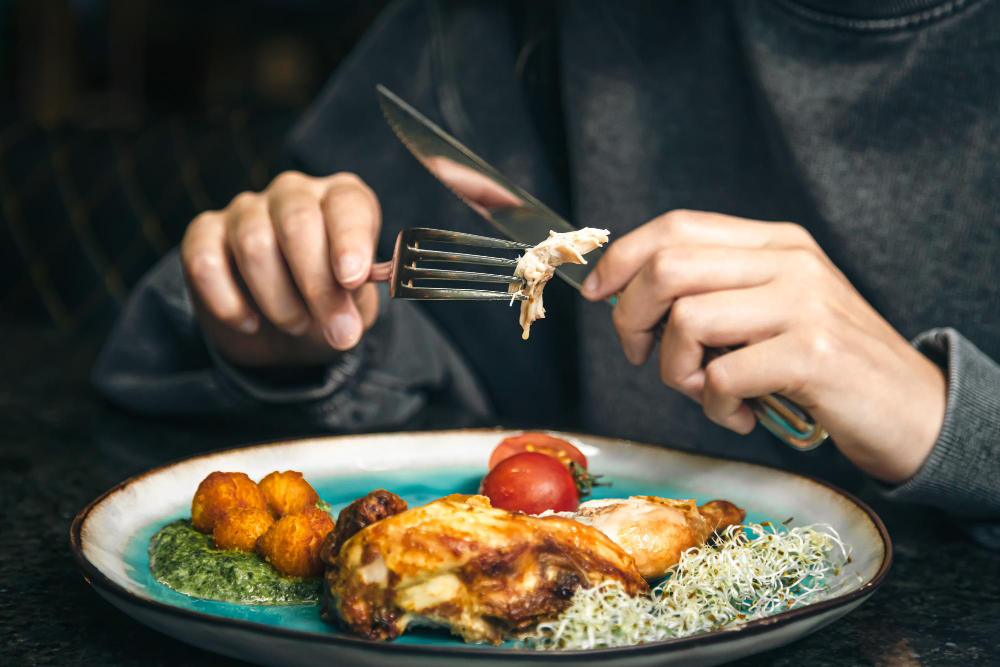
In the modern culinary landscape, the window between leaving work and sitting down to a nutritious meal has narrowed significantly. The concept of the “quick chicken dinner” has evolved from a compromise on quality to a sophisticated art form that balances speed, flavor, and nutritional integrity. Chicken remains the cornerstone of weeknight dining due to its versatility, lean protein profile, and ability to absorb a vast array of global flavor profiles. However, the misconception persists that preparing a wholesome chicken dish requires hours of marinating or slow-cooking. In reality, with the right techniques, cut selection, and heat management, a restaurant-quality chicken dinner can be executed in under thirty minutes. This guide explores the mechanics of rapid poultry preparation, offering actionable strategies to transform raw ingredients into exceptional meals while adhering to strict food safety standards and nutritional best practices.
The Science of Speed: Selecting the Right Cut
The foundation of any rapid cooking process lies in ingredient selection. When time is the primary constraint, the physical characteristics of the chicken cut dictate the cooking method. Whole breasts, while popular, often present a challenge for quick cooking due to their thickness and tendency to dry out if not managed precisely. According to the USDA Food Safety and Inspection Service, proper cooking temperatures are non-negotiable, requiring poultry to reach an internal temperature of 165°F (74°C) to ensure safety. Thicker cuts require longer exposure to heat to reach this center point, often resulting in overcooked exteriors by the time the interior is safe.
To circumvent this, culinary experts recommend utilizing chicken tenderloins or cutting breasts into uniform medallions or strips. This increases the surface-area-to-volume ratio, allowing heat to penetrate the meat rapidly and evenly. Thighs, particularly boneless and skinless varieties, offer a higher fat content which provides a margin of error against drying out, making them ideal for high-heat searing methods. The National Chicken Council highlights that thigh meat retains moisture better than breast meat during rapid cooking processes, making it a superior choice for stir-fries and skillet dishes where timing is critical.
Another strategic approach involves mechanical tenderization or pounding the meat to an even thickness before cooking. This technique, often employed in professional kitchens, ensures that the entire piece of protein cooks at the same rate. By flattening a chicken breast to a consistent half-inch thickness, the cooking time can be reduced from fifteen minutes to merely four or five minutes per side. This method not only accelerates the process but also improves texture by breaking down connective tissues. For those seeking convenience without prep time, many grocery stores now offer pre-cut chicken strips or butterfly breasts, which eliminate the need for knife work while maintaining the structural integrity required for fast cooking.
High-Heat Searing: The Skillet Method
The skillet remains the most efficient tool for quick chicken preparation, offering direct conductive heat that creates the Maillard reaction—the chemical process responsible for the complex flavors and browned crust associated with gourmet cooking. Achieving a proper sear requires high heat and minimal crowding of the pan. When too many pieces of chicken are added simultaneously, the pan temperature drops, causing the meat to steam rather than sear. This results in a pale, rubbery texture rather than a caramelized exterior.
A classic approach involves the “pan sauce” technique, where chicken is seared quickly, removed from the pan, and a sauce is deglazed in the same vessel using wine, stock, or vinegar to lift the fond (browned bits) from the bottom. This method maximizes flavor while minimizing cleanup. Resources from the Culinary Institute of America emphasize that deglazing not only adds depth to the sauce but also incorporates the nutrients and flavors released from the meat during searing. A simple lemon-caper butter sauce or a creamy mushroom reduction can be prepared in the time it takes for the chicken to rest, creating a cohesive dish that feels elaborate despite the short preparation window.
Temperature control is paramount in skillet cooking. Using an instant-read thermometer is the only reliable way to determine doneness without cutting into the meat, which releases valuable juices. The FDA Food Code mandates specific temperature guidelines to prevent foodborne illnesses, and relying on visual cues like clear juices is no longer considered a safe practice in professional or home settings. Removing the chicken from the heat at approximately 160°F allows residual heat to carry the temperature to the safe 165°F mark during the resting period, ensuring the meat remains juicy. This technique, known as “carryover cooking,” is essential for preventing the dryness often associated with quick-cooked poultry.
The Stir-Fry Technique: Global Flavors in Minutes
Stir-frying represents one of the fastest cooking methods available, originating from Chinese culinary traditions where ingredients are cooked in a wok over intense heat while being constantly agitated. This method is perfectly suited for chicken dinners under thirty minutes because it utilizes small, uniform pieces of meat that cook in mere minutes. The key to successful stir-frying lies in mise en place, or having all ingredients prepared and within reach before the heat is turned on. Once the cooking begins, the process moves too quickly to allow for chopping or measuring.
Vegetable selection plays a crucial role in the timing of a stir-fry. Dense vegetables like carrots or broccoli should be blanched briefly or cut into very small florets to ensure they cook at the same rate as the chicken. Leafy greens and peppers can be added later in the process to retain their crunch and vibrant color. The American Heart Association advocates for stir-frying as a heart-healthy cooking method, as it typically requires less oil than deep-frying and preserves the water-soluble vitamins in vegetables that might be lost through boiling. By controlling the amount of oil and sodium in the sauce, a stir-fry can be both a rapid meal solution and a nutritionally dense option.
Sauce formulation is where the global influence of stir-frying shines. A basic ratio of salty (soy sauce), sweet (honey or sugar), acidic (rice vinegar), and aromatic (ginger and garlic) components creates a balanced profile that coats the chicken and vegetables evenly. Thickening agents like cornstarch slurry are added at the end to create a glossy finish that clings to the ingredients. Detailed guides on sauce balancing can be found through resources like Serious Eats, which break down the chemistry of emulsification and thickening in Asian-inspired cuisines. Whether opting for a spicy Szechuan profile, a sweet Teriyaki glaze, or a savory Garlic-Ginger base, the stir-fry method allows for endless customization without extending the cooking time.
Sheet Pan Dynamics: Hands-Off Efficiency
For those who prefer a hands-off approach, sheet pan dinners offer a solution that combines protein and vegetables on a single tray, roasting them simultaneously in the oven. While roasting is traditionally associated with longer cook times, high-temperature roasting at 425°F (220°C) or higher can cook chicken thighs or cut-up breasts in under twenty-five minutes. The secret lies in arranging the ingredients to maximize airflow and heat circulation. Overcrowding the pan leads to steaming, whereas spacing the items out ensures crispy edges and roasted flavors.
Sheet pan meals are particularly effective for meal prepping or feeding families, as the cleanup is minimal and the cooking process is largely passive. Lining the pan with parchment paper or foil facilitates easy disposal of residues, aligning with efficient kitchen management practices. Nutritional balance is easily achieved by pairing the chicken with a variety of colorful vegetables such as bell peppers, zucchini, asparagus, or Brussels sprouts. The Academy of Nutrition and Dietetics suggests that roasting vegetables at high temperatures enhances their natural sweetness through caramelization, making them more palatable to picky eaters while retaining fiber and essential micronutrients.
Seasoning strategies for sheet pan dinners often involve dry rubs or marinades applied prior to cooking. Oil-based marinades help conduct heat and promote browning, while dry spice blends create a flavorful crust. It is important to note that wet marinades with high sugar content can burn at high temperatures, so these should be applied towards the end of the cooking process or used sparingly. Techniques for optimizing sheet pan cooking are frequently discussed by extension services such as Cornell University’s Department of Food Science, which provide evidence-based advice on heat transfer and food safety in oven cooking. By leveraging the convection setting on modern ovens, cook times can be further reduced, ensuring a hot, fresh meal is ready within the thirty-minute window.
Poaching and Simmering: Gentle Rapid Cooking
While searing and roasting rely on dry heat, poaching and simmering utilize liquid to cook chicken gently and quickly. This method is often overlooked for weeknight dinners but is exceptionally effective for creating tender, moist meat that can be shredded for tacos, salads, or sandwiches. By submerging chicken breasts in a flavorful liquid such as broth, wine, or a tomato-based sauce, the meat cooks evenly without the risk of burning or drying out. The liquid acts as a buffer, maintaining a consistent temperature around the protein.
Poaching is particularly advantageous for health-conscious diners, as it requires no added fat. The cooking liquid can subsequently be reduced to create a sauce or used as a base for soup, minimizing waste. The Mayo Clinic identifies poaching as one of the healthiest cooking methods for preserving the lean nature of poultry while infusing it with flavor from herbs and aromatics added to the liquid. Ingredients like lemongrass, thyme, bay leaves, and peppercorns impart subtle nuances that elevate the dish without adding calories or sodium.
Simmering differs slightly in that the chicken is cooked directly within a sauce, such as a curry or a ragù. This one-pot approach allows the flavors to meld as the chicken cooks. Quick-simmering curries using coconut milk and red or green paste can be prepared in the time it takes to boil rice. The key is to cut the chicken into bite-sized pieces to reduce the simmering time to ten or twelve minutes. This method is highly adaptable to various cuisines, from Indian Butter Chicken to Mexican Chicken Tinga. Reliable recipes and safety guidelines for simmering can be accessed through platforms like AllRecipes, which offer community-tested variations that ensure both flavor and safety.
Comparative Analysis of Quick Cooking Methods
To assist in selecting the optimal method for specific dietary needs and time constraints, the following table compares the primary techniques for preparing chicken dinners under thirty minutes. This analysis considers factors such as active cooking time, flavor development, nutritional retention, and equipment requirements.
| Cooking Method | Active Time Required | Flavor Profile | Moisture Retention | Best Cut of Chicken | Equipment Needed |
|---|---|---|---|---|---|
| Skillet Searing | High (Constant attention) | Rich, caramelized (Maillard) | Moderate (Requires precise timing) | Breasts (pounded), Thighs | Heavy-bottomed skillet |
| Stir-Frying | Very High (Rapid agitation) | Bold, savory, aromatic | High (Quick seal locks juices) | Breasts (strips), Thighs | Wok or large skillet |
| Sheet Pan Roasting | Low (Passive cooking) | Roasted, concentrated | High (Especially with thighs) | Thighs, Drumsticks, Cut Breasts | Baking sheet, Rack |
| Poaching/Simmering | Moderate (Prep focused) | Subtle, infused, clean | Very High (Gentle heat) | Breasts, Whole cut-up | Pot or Dutch Oven |
| Grilling (Indoor/Outdoor) | High (Monitoring needed) | Smoky, charred | Variable (Depends on heat) | Thighs, Skewered Breasts | Grill pan or Outdoor Grill |
This comparison illustrates that while skillet searing offers superior crust development, it demands constant vigilance. Conversely, sheet pan roasting provides a “set it and forget it” advantage but may lack the intense browning of direct contact methods. Stir-frying excels in integrating vegetables and sauces but requires significant prep work beforehand. Understanding these distinctions allows the home cook to choose the method that best aligns with their available time, desired flavor profile, and nutritional goals. For instance, a low-fat diet might prioritize poaching, while a flavor-focused meal might lean towards searing or grilling.
Nutritional Optimization and Food Safety
Preparing meals quickly should never come at the expense of nutritional value or food safety. Chicken is an excellent source of lean protein, essential for muscle repair and satiety, but the accompanying ingredients and cooking fats determine the overall health profile of the meal. To maintain a healthy balance, it is advisable to pair chicken with complex carbohydrates like quinoa, brown rice, or whole-wheat pasta, and a generous portion of non-starchy vegetables. The Centers for Disease Control and Prevention (CDC) emphasizes the importance of avoiding cross-contamination during rapid prep; using separate cutting boards for raw poultry and produce is a critical step that cannot be skipped, even when rushing.
Portion control is another vital aspect of quick dinner planning. A standard serving of cooked chicken is approximately 3 to 4 ounces, roughly the size of a deck of cards. Overestimating portion sizes can lead to excessive calorie intake, negating the health benefits of choosing lean poultry. Additionally, sodium levels in quick meals can escalate rapidly if relying heavily on processed sauces, bouillons, or pre-packaged seasoning mixes. Opting for fresh herbs, spices, citrus juices, and homemade sauces allows for full control over sodium content. The American Diabetes Association recommends focusing on whole foods and limiting processed additives to manage blood sugar levels and overall metabolic health.
Food safety extends beyond cooking temperatures to include proper storage and handling of leftovers. Quick dinners often result in surplus food, which must be cooled and refrigerated within two hours to prevent bacterial growth. Shallow containers are recommended for rapid cooling of leftovers. Reheating should also bring the food back to 165°F to ensure any potential bacteria are eliminated. Adhering to these protocols ensures that the convenience of a quick meal does not compromise the health of the consumers.
Elevating the Meal: Sides and Presentation
A quick chicken dinner becomes a complete culinary experience when paired with thoughtfully selected sides. The goal is to complement the main protein without adding significant preparation time. Grains such as couscous or bulgur wheat can be prepared in under ten minutes by simply steeping in hot broth, offering a nutty texture that pairs well with seared or roasted chicken. Steamed vegetables, tossed with a drizzle of olive oil and a squeeze of lemon, provide a fresh contrast to rich sauces. Salads made with pre-washed greens and chopped vegetables can be assembled while the chicken rests, adding a crisp element to the plate.
Presentation plays a psychological role in the enjoyment of a meal. Even a simple dish can feel special when plated with intention. Garnishing with fresh herbs like parsley, cilantro, or chives adds a pop of color and a burst of fresh flavor. A drizzle of high-quality extra virgin olive oil or a balsamic reduction can elevate the visual appeal and taste profile instantly. Textural contrast is also important; adding a sprinkle of toasted nuts, seeds, or crispy onions can transform a soft dish into one with satisfying crunch. These finishing touches require minimal effort but significantly enhance the perceived quality of the dinner.
Beverage pairings can further round out the meal. A crisp white wine or a sparkling water with citrus complements lighter chicken dishes, while a robust red wine or iced tea might better suit richer, spicier preparations. The overall dining experience is heightened when all elements of the plate work in harmony, turning a hurried weeknight necessity into a moment of culinary satisfaction.
Frequently Asked Questions
Q: Is it safe to cook chicken directly from frozen to save time?
A: While it is technically possible to cook chicken from frozen, it is generally not recommended for quick dinners under thirty minutes. Cooking frozen chicken takes approximately 50% longer than cooking thawed meat, which pushes the preparation time beyond the thirty-minute window. Furthermore, ensuring even cooking without drying out the exterior is challenging. The USDA advises thawing chicken in the refrigerator, cold water, or the microwave before cooking to ensure safety and quality. If time permits, the cold water method (submerging sealed chicken in cold water, changing water every 30 minutes) can thaw breasts in about an hour.
Q: How can I prevent chicken breast from becoming dry when cooking quickly?
A: Dryness in chicken breast is usually caused by overcooking. To prevent this, pound the breasts to an even thickness before cooking to ensure uniform heat distribution. Use an instant-read thermometer and remove the chicken from the heat source when it reaches 160°F (71°C), allowing residual heat to bring it to the safe 165°F (74°C) during resting. Brining the chicken in a saltwater solution for even fifteen minutes prior to cooking can also help the meat retain moisture. Additionally, choosing thigh meat, which has a higher fat content, is a reliable alternative for moist results.
Q: What are the best marinades for quick chicken dinners?
A: For quick dinners, acidic marinades containing lemon juice, vinegar, or yogurt are effective as they tenderize the meat rapidly. However, marinating for too long in strong acids can make the texture mushy; fifteen to thirty minutes is sufficient. Enzyme-based marinades using pineapple or papaya also work quickly but should be used with caution regarding timing. Oil-based herb marinades are forgiving and add flavor without altering texture. It is crucial to discard used marinade or boil it thoroughly before using it as a sauce to eliminate bacteria from the raw chicken.
Q: Can I use a slow cooker for a 30-minute chicken dinner?
A: No, slow cookers are designed for long, low-temperature cooking and cannot safely or effectively cook chicken in thirty minutes. Using a slow cooker for such a short duration would leave the chicken in the “danger zone” (40°F–140°F) where bacteria multiply rapidly, posing a significant food safety risk. For rapid cooking, pressure cookers (such as Instant Pots) are a viable alternative, as they can cook chicken thoroughly in about 10–15 minutes under pressure, plus time for pressurization and release.
Q: How do I know if my chicken is fully cooked without a thermometer?
A: While an instant-read thermometer is the only guaranteed method, visual cues can provide secondary confirmation. Fully cooked chicken should have opaque white flesh throughout with no traces of pink. The juices should run clear, not pink or cloudy. The texture should be firm to the touch but still yield slightly; if it feels rubbery, it may be undercooked, and if it is hard and shrinks significantly, it is likely overcooked. However, relying solely on visual cues is not advised by food safety experts due to the variability in meat color and texture.
Q: What are some gluten-free options for thickening quick chicken sauces?
A: Cornstarch mixed with cold water (a slurry) is a common and effective gluten-free thickener for stir-fries and pan sauces. Arrowroot powder is another excellent alternative that creates a glossy finish and works well with acidic sauces where cornstarch might break down. Pureeing cooked vegetables, such as cauliflower or carrots, into the sauce is a whole-food method to achieve thickness without grains. Xanthan gum is a potent option requiring only a tiny amount to thicken liquids, suitable for keto or low-carb diets.
Conclusion
The pursuit of a quick chicken dinner under thirty minutes is not a concession to mediocrity but an opportunity to master efficiency in the kitchen. By understanding the properties of different chicken cuts, leveraging high-heat cooking methods, and adhering to strict food safety protocols, it is entirely possible to create meals that are both expedient and exceptional. The strategies outlined—from mechanical tenderization and skillet searing to the dynamics of sheet pan roasting and the gentle art of poaching—provide a comprehensive toolkit for navigating the constraints of modern schedules.
The integration of nutritious sides, thoughtful seasoning, and proper plating transforms these rapid preparations into satisfying culinary experiences that nourish the body and delight the palate. As the culinary world continues to evolve, the emphasis on speed need not detract from quality; rather, it encourages innovation and precision. Whether utilizing the bold flavors of a stir-fry, the comforting warmth of a simmered dish, or the crisp texture of a roasted meal, the versatility of chicken serves as the perfect canvas for quick, healthy, and delicious dining. With the right knowledge and techniques, the thirty-minute dinner becomes a sustainable habit, proving that good food does not require endless hours, but rather smart execution and a respect for the ingredients.