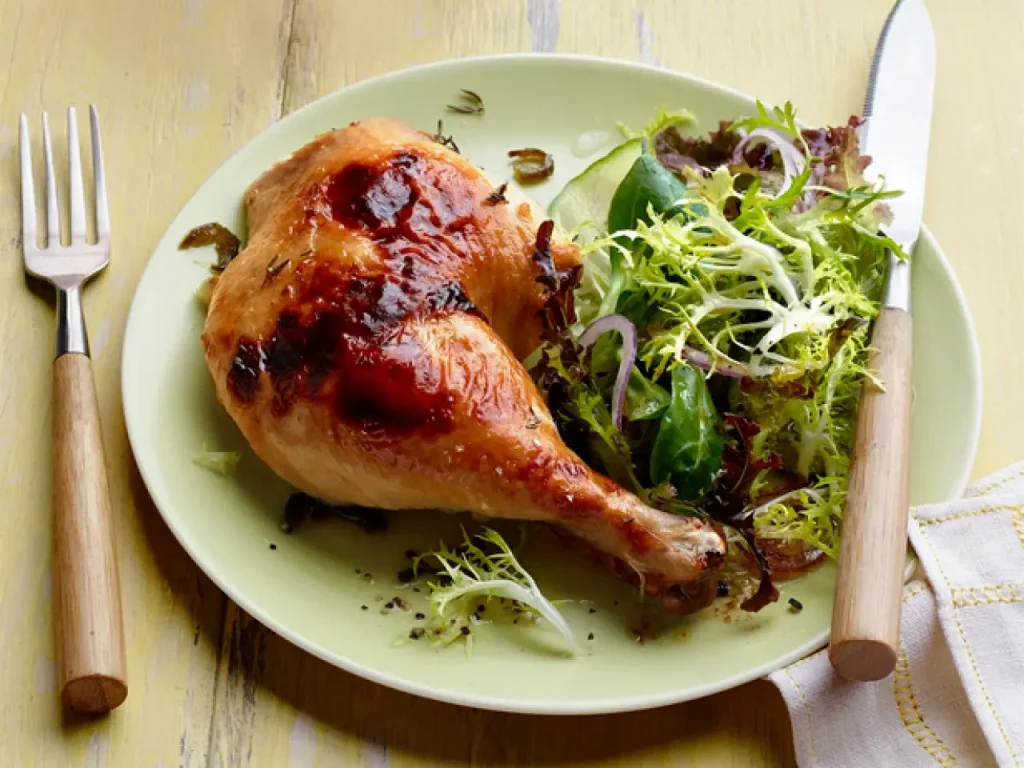
Chicken is the most versatile protein on the planet, yet it is also the most frequently mishandled. In kitchens ranging from home cooks to professional establishments, the difference between a dry, rubbery breast and a succulent, flavor-packed masterpiece often comes down to two fundamental choices: the cooking fat and the spice blend. These are not merely ingredients; they are the chemical architects of texture and taste. Understanding the science behind smoke points, fat solubility, and aromatic compounds transforms the act of cooking chicken from a routine chore into a precise culinary art. By selecting the right medium for heat transfer and the optimal combination of seasonings, one can unlock depths of flavor that elevate this humble bird to gourmet status.
The Science of Heat: Selecting the Right Cooking Oil
The foundation of perfectly cooked chicken lies in the management of heat. Oil serves as the primary conductor, transferring thermal energy from the pan to the meat while facilitating the Maillard reaction—the complex chemical process responsible for browning and developing rich, savory flavors. However, not all oils are created equal. The critical factor in oil selection is the smoke point, the temperature at which an oil begins to break down, producing acrid smoke and harmful free radicals while destroying beneficial nutrients. Using an oil with a smoke point lower than the required cooking temperature guarantees a burnt exterior and an undercooked interior, alongside a kitchen filled with unpleasant fumes.
For high-heat methods such as searing, pan-frying, or roasting at temperatures exceeding 400°F (204°C), refined avocado oil stands as the gold standard. With a smoke point reaching nearly 520°F (271°C), it remains stable under intense heat, allowing for a deep, golden crust without degradation. Unlike many neutral oils, avocado oil contains a high percentage of monounsaturated fats, which are heart-healthy and contribute to a silky mouthfeel. Its mild, buttery profile does not compete with the spices, making it an ideal canvas for bold flavor profiles. Culinary experts often recommend it for achieving restaurant-quality sears on chicken thighs and breasts, as detailed in resources from the Avocado Oil Association.
When the cooking method shifts to sautéing or medium-heat roasting, extra virgin olive oil (EVOO) becomes a premier choice, provided the temperature is carefully monitored. While unrefined EVOO has a lower smoke point around 375°F–405°F (190°C–207°C), it offers unparalleled flavor complexity due to its polyphenol content. These compounds provide peppery notes and antioxidant benefits that enhance the overall nutritional profile of the dish. For chicken dishes where the fruitiness of the oil complements herbs like rosemary, thyme, or oregano, EVOO is indispensable. The International Olive Council provides extensive data on how proper storage and selection of EVOO preserve these delicate compounds, ensuring the oil enhances rather than overwhelms the poultry.
For those seeking a neutral backdrop that allows spices to take center stage, refined grapeseed oil is an exceptional alternative. With a smoke point of approximately 420°F (215°C) and a light texture, it creates a crisp exterior without adding any distinct flavor of its own. This makes it particularly useful when working with delicate spice blends from Asian or Latin American cuisines where the purity of the spice aroma is paramount. Furthermore, grapeseed oil is rich in linoleic acid, an essential fatty acid that supports cellular health. Information regarding the lipid profiles of various seed oils can be explored through the American Oil Chemists’ Society, which offers technical insights into how different fatty acid compositions affect cooking performance.
In traditional frying applications, such as preparing Southern-style fried chicken or tempura, peanut oil remains a classic favorite. Its smoke point of 450°F (232°C) and unique ability to resist flavor absorption between batches make it ideal for deep frying. The oil imparts a subtle nuttiness that pairs harmoniously with savory spices like paprika and garlic powder. However, for individuals with allergies or those preferring a more neutral profile, refined sunflower oil serves as a robust substitute, offering similar heat stability and a clean finish. The National Sunflower Association highlights the versatility of sunflower oil in high-heat applications, noting its consistency in maintaining quality over extended frying periods.
It is crucial to avoid using unrefined oils like walnut oil or flaxseed oil for cooking chicken, as their low smoke points and delicate structures cause them to oxidize rapidly under heat, resulting in bitter flavors and potential health risks. These oils are best reserved for finishing dishes after cooking is complete. Understanding the thermal limits of each fat source ensures that the chicken cooks evenly, retains moisture, and develops the desired textural contrast between the crispy skin and tender meat.
The Aromatic Architecture: Building Flavor with Spices
Once the appropriate oil is selected, the next layer of mastery involves the strategic application of spices. Spices are dried seeds, fruits, roots, bark, or vegetative substances that add dimension to food. Unlike herbs, which are leafy and often added at the end of cooking, spices generally benefit from exposure to heat and fat to fully release their essential oils. The interaction between the lipids in the cooking oil and the fat-soluble compounds in spices is the secret to a deeply flavored dish. When spices are bloomed in hot oil before the chicken is added, or rubbed onto the meat before it hits the pan, the flavor profile becomes integrated rather than superficial.
Paprika, derived from dried and ground red peppers, is a cornerstone of chicken seasoning. Its varieties range from sweet and mild to smoky and hot. Smoked paprika, in particular, has revolutionized home cooking by imparting a wood-fired depth to oven-roasted or pan-seared chicken without the need for a grill. The smoking process infuses the pepper with phenolic compounds that mimic the taste of charred wood, adding a rustic complexity. According to the American Spice Trade Association, the quality of paprika depends heavily on the cultivar and drying method, with Hungarian and Spanish varieties offering distinct flavor profiles that can define a dish’s character.
Cumin is another essential spice that brings an earthy, warm, and slightly citrusy note to chicken. It is a staple in Middle Eastern, Indian, and Mexican cuisines. Cumin’s primary aromatic compound, cuminaldehyde, is highly volatile and releases its full potential when toasted in oil. Adding whole cumin seeds to hot oil until they crackle, or using ground cumin in a dry rub, creates a foundational flavor that supports heavier spices like chili powder or coriander. Research into spice chemistry, such as that published by the Journal of Agricultural and Food Chemistry, illustrates how thermal processing enhances the bioavailability of cumin’s antioxidants while intensifying its aroma.
Turmeric, known for its vibrant yellow hue and earthy bitterness, is vital for both color and health benefits. The active compound curcumin gives turmeric its distinctive color and anti-inflammatory properties. However, curcumin is poorly absorbed by the body unless paired with black pepper and fat. Cooking chicken in oil with turmeric and a pinch of black pepper not only creates a visually stunning golden crust but also maximizes the nutritional uptake of the spice. This synergistic relationship is well-documented by the National Institutes of Health (NIH), which emphasizes the importance of dietary fat in the absorption of fat-soluble phytochemicals.
Garlic powder and onion powder offer a convenient and consistent way to introduce allium flavors without the risk of burning fresh garlic, which can happen quickly at high heat. These dehydrated forms contain concentrated sugars and sulfur compounds that caramelize beautifully, adding sweetness and umami to the chicken’s surface. They serve as excellent binders for other spices in a rub, creating a cohesive crust. For those interested in the chemical changes that occur during the dehydration and grinding of alliums, the University of California Davis Postharvest Technology Center provides valuable insights into how processing affects flavor retention and potency.
Heat lovers often turn to cayenne pepper or crushed red pepper flakes to introduce capsaicin, the compound responsible for the sensation of spiciness. Capsaicin binds to pain receptors in the mouth, triggering a release of endorphins, but in cooking, it serves to cut through the richness of the chicken fat and oil. A small amount can brighten a dish, while a generous quantity can define it. The stability of capsaicin under heat makes it reliable for long roasting times, ensuring the heat level remains consistent from the first bite to the last. Detailed profiles on capsaicin and its culinary applications are available through the New Mexico State University Chile Institute.
The Synergy of Fat and Spice: Techniques for Maximum Impact
The true magic happens when the chosen oil and spice blend work in concert. The technique of “blooming” spices is a method used across various global cuisines to maximize flavor extraction. This involves heating the oil to the correct temperature and adding the spices for a brief period—usually 30 to 60 seconds—before introducing the chicken. This process allows the fat to dissolve the essential oils within the spices, distributing the flavor evenly throughout the dish. If spices are added to cold oil or directly to dry chicken without a fat medium, much of their aromatic potential remains locked away.
Creating a wet marinade versus a dry rub depends on the desired outcome and the cut of chicken. Dry rubs, consisting of salt, spices, and sometimes sugar, are excellent for creating a textured crust. The salt draws moisture to the surface, which then dissolves the spices, forming a paste that adheres to the meat. As the chicken cooks, this layer dehydrates and crisps up. For leaner cuts like chicken breasts, a dry rub applied 30 minutes before cooking allows the salt to penetrate slightly, seasoning the meat internally while keeping the exterior flavorful. Conversely, wet marinades utilizing oil as a base are superior for tougher cuts like thighs or legs. The oil helps carry fat-soluble flavors deep into the muscle fibers and keeps the meat moist during longer cooking times.
Salt is the unsung hero in this equation. While technically a mineral and not a spice, its role in enhancing the perception of other flavors is critical. Salt suppresses bitterness and amplifies sweetness and umami. When combined with oil and spices, it acts as a catalyst, ensuring that the nuances of cumin, the smokiness of paprika, and the heat of cayenne are perceived clearly by the palate. The timing of salting matters; salting chicken at least 40 minutes before cooking allows the salt to migrate into the meat, whereas salting immediately before cooking keeps the salt on the surface, providing a sharp, immediate burst of flavor. The science of salt penetration and its effect on protein structure is extensively covered by Serious Eats’ culinary science section, which offers empirical data on brining and dry-brining techniques.
Sugar, often included in spice blends for barbecue or glazing, interacts with the amino acids in the chicken and the heat of the oil to accelerate the Maillard reaction. However, sugar burns easily. When using a spice blend containing sugar, it is advisable to use an oil with a high smoke point and to monitor the heat closely, or to add sugary glazes in the final stages of cooking. This balance prevents the formation of acrylamide, a potentially harmful compound that forms when starchy or sugary foods are cooked at very high temperatures. Guidance on managing acrylamide formation in cooking can be found on the FDA’s website.
Comparative Analysis of Oils and Spice Profiles
To visualize how different combinations affect the final dish, the following table outlines the optimal pairings for various cooking methods and flavor goals. This comparison aids in selecting the right tools for specific culinary objectives, ensuring that the chemical interactions between fat and spice yield the best possible results.
| Cooking Method | Recommended Oil | Primary Smoke Point | Ideal Spice Profile | Flavor Outcome |
|---|---|---|---|---|
| High-Heat Searing | Refined Avocado Oil | 520°F (271°C) | Smoked Paprika, Garlic Powder, Black Pepper | Deep, dark crust with smoky undertones; juicy interior. |
| Pan-Sautéing | Extra Virgin Olive Oil | 375°F–405°F (190°C–207°C) | Rosemary, Thyme, Lemon Zest, Sea Salt | Herbaceous, fruity notes; classic Mediterranean profile. |
| Deep Frying | Peanut Oil | 450°F (232°C) | Cayenne, White Pepper, Onion Powder, Celery Salt | Crispy, golden shell with a spicy, savory kick. |
| Roasting (Whole Bird) | Grapeseed Oil | 420°F (215°C) | Sage, Poultry Seasoning, Turmeric, Coriander | Even browning; earthy, warm aromas permeating the meat. |
| Stir-Frying | Sesame Oil (Blended) | 410°F (210°C) | Ginger, Five-Spice, Chili Flakes, Star Anise | Intense aromatic release; distinct Asian flavor profile. |
| Grilling | Canola Oil | 400°F (204°C) | Cumin, Chili Powder, Brown Sugar, Mustard Seed | Smoky-sweet glaze; robust barbecue characteristics. |
This table demonstrates that there is no single “best” oil or spice; rather, the best combination is dictated by the thermal requirements of the cooking method and the desired flavor architecture. For instance, using extra virgin olive oil for deep frying would result in a breakdown of the oil and a bitter taste, while using peanut oil for a delicate lemon-herb chicken might introduce an unwanted nutty flavor that clashes with the citrus.
Texture and Moisture Retention: The Role of Fat
Beyond flavor, the type of oil used significantly impacts the texture and moisture retention of the chicken. Fats act as a barrier, slowing down the evaporation of water from the meat’s surface. This is particularly important for chicken breasts, which have low fat content and are prone to drying out. Coating the chicken in a thin layer of oil before applying spices helps seal in natural juices. Additionally, the oil facilitates even heat distribution, preventing hot spots that can cause localized overcooking.
The viscosity of the oil also plays a role in how well spices adhere to the meat. Thicker oils, such as unrefined coconut oil or certain infused oils, can hold heavier spice particles better than very thin oils like grapeseed. This adherence ensures that every bite delivers a consistent flavor profile. Furthermore, the saturation level of the fat affects the mouthfeel. Oils high in monounsaturated fats, like avocado and olive oil, tend to leave a cleaner, less greasy finish compared to oils high in saturated fats, which can feel heavier on the palate.
For skin-on chicken, the rendering of the skin’s natural fat is crucial. Starting the chicken in a cold pan with a small amount of added oil allows the skin’s fat to render slowly as the pan heats up, resulting in exceptionally crispy skin. Adding spices at this stage allows them to infuse into the rendering fat, creating a self-basting effect. This technique, often recommended by culinary institutes, leverages the chicken’s own fat in conjunction with the added oil to maximize crispiness and flavor. Resources from the Culinary Institute of America often highlight these rendering techniques as fundamental skills for mastering poultry cookery.
Health Considerations and Nutritional Synergy
While flavor is paramount, the nutritional profile of the meal is equally significant. The choice of oil directly influences the fatty acid composition of the dish. Replacing solid fats like butter or lard with liquid plant-based oils can improve the cardiovascular profile of the meal by reducing saturated fat intake and increasing healthy unsaturated fats. Moreover, as previously noted, many spices possess potent anti-inflammatory and antioxidant properties. When cooked in healthy fats, the bioavailability of these compounds increases, turning a delicious meal into a functional one.
For example, the curcumin in turmeric, the piperine in black pepper, and the allicin derivatives in garlic powder all offer health benefits that are enhanced when consumed with dietary fat. This synergy means that a chicken dish seasoned with these spices and cooked in olive or avocado oil is not just a source of protein but a delivery system for beneficial phytochemicals. The Harvard T.H. Chan School of Public Health frequently publishes research on the benefits of the Mediterranean diet, which emphasizes the consumption of healthy oils and spices, linking these dietary patterns to reduced risks of chronic diseases.
It is also worth noting that controlling the cooking temperature prevents the formation of harmful compounds. Overheating oil past its smoke point generates polar compounds and aldehydes, which are detrimental to health. By matching the oil to the cooking method, one ensures that the meal remains safe and nutritious. This attention to thermal stability is a hallmark of knowledgeable cooking, reflecting an understanding that the method of preparation is just as important as the ingredients themselves.
Frequently Asked Questions
What is the absolute best oil for frying chicken to ensure it stays crispy?
Refined peanut oil or refined avocado oil are the top choices for frying chicken. Both have high smoke points (450°F and 520°F respectively) that allow the oil to remain stable at the temperatures required for deep frying (typically 350°F–375°F). This stability prevents the oil from breaking down and becoming soggy or bitter, ensuring a light, crispy crust. Peanut oil adds a subtle nutty flavor that complements chicken, while avocado oil is more neutral.
Can I use extra virgin olive oil to roast chicken at 400°F?
Yes, but it requires caution. Extra virgin olive oil has a smoke point that hovers around 375°F to 405°F, depending on its quality and acidity. Roasting at 400°F is on the upper limit of its safety margin. For roasting at this temperature, it is often safer to use “light” or refined olive oil, which has a higher smoke point, or to mix EVOO with a high-heat oil like avocado oil. If using pure EVOO, monitor the oven closely to ensure the oil does not smoke, which would impart a bitter taste.
Why do my spices burn before the chicken is cooked through?
This usually occurs because the heat is too high for the specific spice blend or the oil being used. Spices, especially those containing sugar or fine powders like garlic and onion powder, burn quickly. To prevent this, one can sear the chicken in plain oil first to develop a crust, then lower the heat and add the spices, or apply the spices later in the cooking process. Alternatively, using larger granule spices or blooming the spices in the oil briefly before adding the chicken can help integrate the flavors without scorching.
Is it better to marinate chicken in oil and spices overnight or just before cooking?
Both methods have merits, but they serve different purposes. Marinating overnight allows salt and acidic components (if present) to penetrate deeper into the meat, tenderizing it and seasoning it throughout. However, strong spices like raw garlic can sometimes develop off-flavors if left too long. For dry rubs, applying them 30 to 60 minutes before cooking is often sufficient to allow the salt to draw out moisture and form a paste with the spices, creating a superior crust. If using an oil-based marinade with delicate herbs, a shorter duration (2–4 hours) is often ideal to preserve the freshness of the herb flavors.
How does salt interact with oil and spices on chicken?
Salt acts as a flavor enhancer and a textural agent. It draws moisture to the surface of the chicken, which dissolves the spices and helps them adhere. When this mixture meets hot oil, the water evaporates, and the dissolved spices and salt form a concentrated, flavorful crust. Without salt, spices may sit loosely on the surface and fall off during cooking. Salt also suppresses bitterness, allowing the complex notes of spices like cumin and turmeric to shine through more clearly.
Are there any spices that should never be cooked in oil?
Most dried spices benefit from being cooked in oil to release their flavors. However, delicate dried herbs (like parsley or cilantro leaves) and certain heat-sensitive spices (like some varieties of sumac) can lose their vibrant color and fresh aroma if cooked for too long in hot oil. These are best added at the very end of the cooking process or used as a garnish. Additionally, pre-ground spices lose potency faster than whole spices, so they require less time in the oil to release their flavor compared to freshly cracked or whole seeds.
What is the healthiest combination of oil and spices for heart health?
Extra virgin olive oil paired with garlic, turmeric, black pepper, and rosemary is widely considered one of the healthiest combinations. Olive oil is rich in monounsaturated fats and polyphenols, while garlic and rosemary have antioxidant properties. Turmeric, when activated by black pepper and fat, offers potent anti-inflammatory benefits. This combination aligns with the principles of the Mediterranean diet, which is strongly linked to cardiovascular health.
Conclusion
Mastering the art of cooking chicken is less about following a rigid recipe and more about understanding the dynamic relationship between heat, fat, and flavor. The selection of oil sets the stage, determining the maximum temperature achievable and the texture of the final crust, while the choice of spices builds the architectural complexity of the dish. From the high-heat stability of avocado oil to the earthy warmth of cumin and the vibrant punch of smoked paprika, each element plays a specific role in transforming simple poultry into a culinary delight.
By respecting the smoke points of oils and leveraging the fat-soluble nature of spices, cooks can consistently produce chicken that is moist, flavorful, and visually appealing. The techniques of blooming spices, balancing salt, and timing the application of seasonings are universal skills that apply across cuisines, from the roast chickens of Europe to the curries of Asia and the barbecues of the Americas. Ultimately, the perfect plate of chicken is the result of informed choices and a respect for the chemistry of cooking. Armed with the knowledge of which oils withstand high heat and which spices unlock the deepest flavors, any cook can elevate their kitchen game, turning a weeknight dinner into an experience of genuine gastronomic satisfaction. The journey to culinary excellence is paved with these small but significant decisions, proving that the simplest ingredients, when handled with expertise, yield the most extraordinary results.