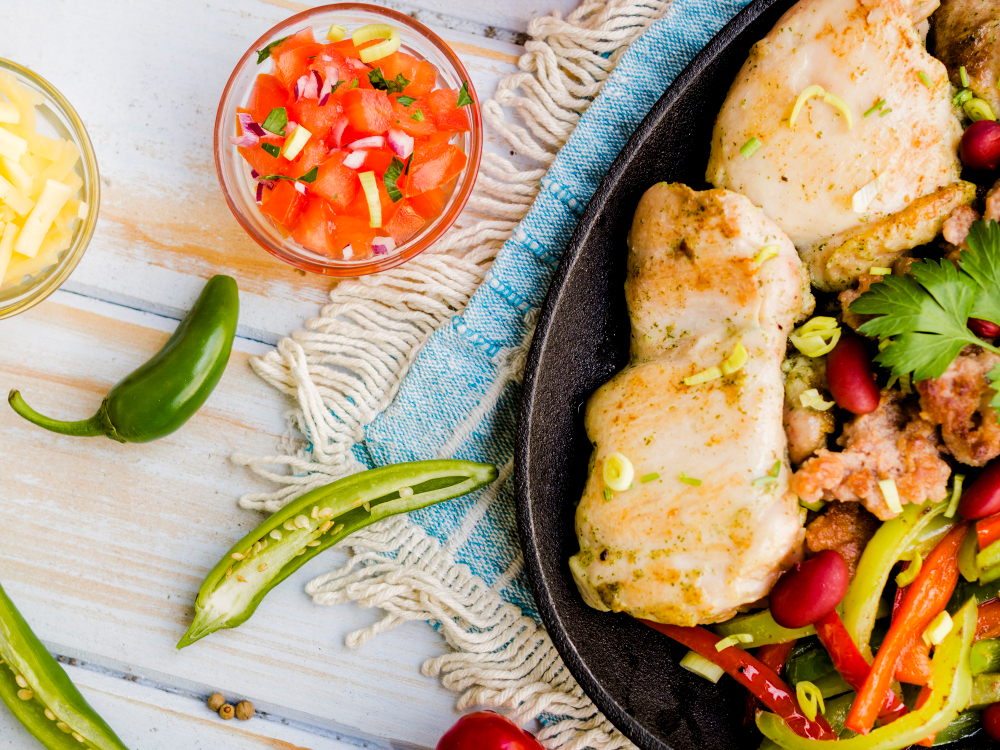
The landscape of Mexican cuisine is vast and deeply rooted in history, often misunderstood outside its borders as a monolith of heavy cheeses and fried shells. In reality, the heart of authentic Mexican cooking lies in simplicity, technique, and the profound respect for ingredients. When discussing an authentic Mexican chicken recipe prepared in an easy, homemade style, the focus shifts from complexity to clarity. It is about understanding how heat transforms protein, how dried chilies provide depth rather than just spice, and how fresh herbs lift a dish from ordinary to exceptional. This guide explores the nuances of preparing chicken the way it is done in homes across Mexico, stripping away unnecessary complications while maintaining the integrity of flavor profiles that have defined the cuisine for centuries.
Understanding the Foundation: Ingredients Over Gimmicks
The divergence between Tex-Mex adaptations and authentic Mexican preparations often begins at the grocery store. True authenticity does not require obscure imports found only in specialty shops; rather, it demands the correct selection of common ingredients. The primary variable in any chicken dish is the bird itself. In Mexico, whole chickens are often butchered at home or by the local carnicero, allowing for specific cuts like thighs and drumsticks to be utilized for their higher fat content and resilience during slow cooking. While boneless, skinless breasts are popular globally for their leanness, they lack the collagen necessary to keep meat moist during the braising or roasting processes typical in traditional recipes. Culinary experts consistently recommend using bone-in, skin-on thighs for homemade styles, as the bone conducts heat gently, and the skin renders fat that bastes the meat from within. This principle is supported by extensive food science research regarding heat transfer and moisture retention in poultry.
The soul of the flavor profile, however, resides in the chili peppers. Authentic recipes rarely rely on powdered chili blends containing salt, garlic powder, or cumin as a primary ingredient. Instead, they utilize dried whole chilies such as guajillo, ancho, or pasilla. These peppers are toasted lightly to awaken their essential oils, then rehydrated and blended into a sauce. The United States Department of Agriculture provides detailed guidelines on the safe handling and preparation of dried agricultural products, emphasizing the importance of sourcing high-quality, contaminant-free produce. Guajillo peppers offer a bright, tangy heat with notes of berry, while anchos provide a sweeter, raisin-like depth with mild spiciness. Using these distinct varieties allows for a layered flavor profile that pre-mixed powders simply cannot replicate. The process of toasting and blending these chilies is a fundamental technique that separates a generic stew from a genuinely Mexican dish.
Aromatics play a equally critical role. White onion and garlic are the ubiquitous base, but the treatment of these ingredients matters. They are often charred directly on a comal (a flat griddle) or roasted in the oven before being blended into the sauce. This charring process, known as “tatemar,” introduces a smoky sweetness that permeates the entire dish. Fresh cilantro is another non-negotiable element, though its application varies. In some regions, it is blended into the marinade; in others, it is used strictly as a fresh garnish to add a burst of brightness at the end of cooking. The Fresh Produce Association highlights the nutritional density and volatile compound profiles of fresh herbs, noting that adding them at the end of the cooking process preserves their delicate flavor compounds which can be destroyed by prolonged heat.
Acidity is the final pillar of the flavor structure. Authentic Mexican chicken dishes almost always incorporate lime juice or vinegar, not just as a finishing squeeze, but as part of the marinade or sauce. The acid helps to break down muscle fibers slightly, tenderizing the meat, while also balancing the richness of the rendered fat and the earthiness of the chilies. Distilled white vinegar or apple cider vinegar are common choices in home kitchens, providing a clean sharpness that cuts through the savory elements. Understanding the interplay between fat, heat, earth, and acid is the first step toward mastering this cuisine without relying on artificial shortcuts.
The Technique: Marination and Flavor Infusion
Marination in Mexican cooking is not merely a step to add surface flavor; it is a chemical process designed to alter the texture and infuse the meat deep into the fiber. An effective marinade for authentic chicken combines the rehydrated chili paste with aromatics, acid, and spices. Unlike quick dips, a proper Mexican marinade benefits from time. Allowing the chicken to rest in the mixture for at least four hours, or ideally overnight, ensures that the flavors penetrate beyond the surface. The acidity in the marinade begins the denaturation process of the proteins, similar to the effect seen in ceviche, but at a slower rate due to the presence of oil and other solids. This results in meat that is exceptionally tender after cooking.
Salt is a crucial component of the marinade that is often underestimated. It acts as a solvent, helping to dissolve muscle proteins and allowing the meat to retain more moisture during the cooking phase. This phenomenon, explained by food scientists at institutions like Cornell University’s College of Agriculture and Life Sciences, demonstrates how proper salting techniques can prevent the dryness often associated with cooked poultry. In the context of Mexican chicken, sea salt or kosher salt is preferred over fine table salt to ensure even distribution without over-salting. The ratio typically hovers around one teaspoon of salt per pound of meat, adjusted based on the saltiness of any added broth or stock later in the process.
Spices such as cumin and oregano are frequently used, but their application requires precision. Mexican oregano is distinct from the Mediterranean variety; it belongs to the verbena family and possesses citrusy, earthy undertones that complement chilies far better than its European counterpart. If Mexican oregano is unavailable, standard oregano can be used, but the quantity should be reduced slightly to avoid a bitter note. Cumin should be used sparingly; while it is a staple, excessive amounts can overwhelm the delicate balance of the chili sauce. Toasting whole cumin seeds before grinding them releases a more potent and aromatic oil compared to using pre-ground powder, a technique advocated by culinary historians to maximize flavor potential.
The physical act of massaging the marinade into the chicken is also significant. Ensuring that the paste gets under the skin and into the crevices of the bone-in cuts guarantees that every bite carries the intended flavor profile. This tactile approach ensures uniform coverage and helps the skin adhere to the meat during cooking, preventing it from slipping off—a common issue when roasting poultry. The marination process transforms raw ingredients into a cohesive unit where the chicken is no longer just a vessel for sauce but an integral part of the flavor architecture.
Cooking Methods: From Stovetop to Oven
Once marinated, the cooking method determines the final texture and presentation of the dish. For an easy, homemade style, two primary methods stand out: braising on the stovetop and roasting in the oven. Both methods are widely used in Mexican households and yield excellent results when executed with attention to detail. Braising involves searing the chicken pieces first to develop a Maillard reaction, creating a rich brown crust that adds complexity to the flavor. After searing, the chicken is submerged partially in the chili sauce and a small amount of liquid, such as chicken broth or water, then covered and simmered gently. This moist-heat cooking method breaks down connective tissues effectively, resulting in meat that falls off the bone. The American Meat Science Association notes that braising is particularly effective for tougher cuts or bone-in pieces, as the collagen converts to gelatin, enriching the sauce and lubricating the muscle fibers.
Roasting, on the other hand, offers a different textural experience. By placing the marinated chicken on a baking sheet and cooking it at a moderate temperature, usually around 375°F (190°C), the skin becomes crisp while the interior remains juicy. The key to successful roasting is basting. Periodically spooning the pan juices and melted fat over the chicken prevents the surface from drying out and intensifies the glaze. This method concentrates the flavors, as the water content evaporates, leaving behind a more intense chili and herb profile. It is a favored technique for dishes like “pollo asado,” where the charred edges and smoky aroma are desired characteristics. Proper oven calibration is essential, and resources like the National Institute of Standards and Technology provide insights into accurate temperature measurement, ensuring that cooking environments are consistent and safe.
Regardless of the chosen method, monitoring internal temperature is vital for both safety and quality. The USDA recommends cooking poultry to an internal temperature of 165°F (74°C) to eliminate harmful bacteria. However, for dark meat like thighs and drumsticks, many chefs prefer to cook slightly higher, up to 175°F (79°C), to fully render the fat and soften the connective tissue without compromising safety. Using a reliable instant-read thermometer eliminates guesswork and ensures consistent results every time. This scientific approach to cooking removes the variability that often plagues home cooks, turning a potentially risky endeavor into a repeatable success.
Another consideration is the resting period. Once removed from the heat, the chicken should rest for at least ten minutes before serving. This allows the juices, which have been driven to the center of the meat by the heat, to redistribute throughout the muscle fibers. Cutting into the meat immediately causes these juices to spill out onto the plate, leaving the chicken dry. Resting is a simple yet critical step that preserves the succulence achieved through careful marination and cooking. It is a universal principle in meat cookery that applies just as rigorously to Mexican styles as it does to any other culinary tradition.
Comparative Analysis of Cooking Techniques
To further clarify the best approach for different needs, the following table compares the primary cooking methods for authentic Mexican chicken. This comparison highlights the trade-offs between time, texture, and flavor intensity, helping home cooks select the method that best fits their schedule and preferences.
| Feature | Stovetop Braising | Oven Roasting | Grilling (Asado) |
|---|---|---|---|
| Primary Texture | Extremely tender, fall-off-the-bone | Crispy skin, firm but juicy interior | Smoky char, firm texture |
| Flavor Profile | Deep, integrated sauce flavors | Concentrated, caramelized notes | Distinct smokiness, charred accents |
| Cooking Time | 45–60 minutes | 50–70 minutes | 30–45 minutes |
| Ease of Preparation | High (one pot, minimal monitoring) | Medium (requires basting) | Low (requires heat management) |
| Best Cut of Chicken | Thighs, Drumsticks, Whole legs | Thighs, Drumsticks, Halves | Thighs, Drumsticks, Spatchcocked |
| Sauce Consistency | Thin to medium, abundant gravy | Thick glaze, reduced pan juices | Minimal sauce, often served on side |
| Equipment Needed | Large skillet or Dutch oven | Baking sheet, rack, oven | Grill, charcoal or gas |
| Moisture Retention | Very High (cooked in liquid) | High (if basted correctly) | Moderate (depends on skill) |
| Ideal For | Weeknight dinners, cold weather | Family gatherings, meal prep | Outdoor events, summer dining |
This table illustrates that while braising offers the highest margin for error regarding moisture, roasting provides a superior textural contrast between skin and meat. Grilling, while delivering the most authentic “street food” flavor, requires the most active management of heat sources. For the average home cook seeking an “easy” yet authentic result, braising or roasting presents the most reliable path to a high-quality meal.
Serving Traditions and Accompaniments
No discussion of authentic Mexican chicken is complete without addressing how it is served. The accompaniments are not mere sides; they are essential components that complete the flavor profile. Warm corn tortillas are the standard vessel, preferred over flour tortillas in most traditional settings due to their earthy flavor and ability to hold up against robust sauces. The corn used in these tortillas undergoes nixtamalization, a process where dried corn is treated with an alkaline solution, usually slaked lime. This process, documented extensively by agricultural researchers, unlocks niacin and improves the nutritional profile of the corn while giving the tortillas their distinctive taste and aroma. Resources from the International Maize and Wheat Improvement Center provide further details on the cultural and nutritional significance of nixtamalized corn in Latin American diets.
Fresh salsas are another critical element. A simple pico de gallo, made with diced tomatoes, onions, cilantro, and serrano peppers, adds a crunchy, fresh contrast to the soft, savory chicken. Alternatively, a cooked salsa verde made from tomatillos can provide a tart, herbal counterpoint. The balance of textures—soft chicken, chewy tortilla, crunchy salsa—is a hallmark of well-composed Mexican meals. Pickled vegetables, such as escabeche (pickled carrots, jalapeños, and onions), are also commonly served to cut through the richness of the dish with their vinegar-based acidity.
Beans and rice often accompany the main course, but they are prepared with specific techniques to complement the chicken. Refried beans, typically made from pinto beans, are mashed and fried with lard or oil, creating a creamy texture that pairs well with the shredded or chunked chicken. Rice is usually toasted before boiling, giving it a nutty flavor and preventing it from becoming mushy. These sides are seasoned simply with garlic and onion, allowing the main dish to remain the focal point. The integration of these elements creates a balanced plate that satisfies hunger while adhering to traditional dietary patterns observed in Mexico.
Beverage pairings also play a role in the dining experience. Horchata, a sweet rice milk drink flavored with cinnamon and vanilla, or Jamaica, a hibiscus flower iced tea, are classic choices. These drinks provide a cooling effect that balances the heat of the chilies, enhancing the overall enjoyment of the meal. The cultural practice of pairing specific drinks with spicy foods is a testament to the sophisticated understanding of flavor balancing inherent in Mexican culinary traditions.
Nutritional Considerations and Health Benefits
Beyond flavor, authentic Mexican chicken dishes offer significant nutritional benefits when prepared with whole ingredients. Chicken is an excellent source of lean protein, essential for muscle repair and maintenance. When using dark meat with the skin removed after cooking, the fat content can be managed effectively while still enjoying the flavor benefits during the cooking process. The chili peppers used in the sauce are rich in capsaicin, a compound studied for its potential metabolic benefits and anti-inflammatory properties. Research published by the National Institutes of Health has explored the various health impacts of capsaicin, suggesting it may aid in pain relief and cardiovascular health.
The abundance of vegetables in the accompanying salsas and sides adds vitamins, minerals, and fiber to the meal. Tomatoes provide lycopene, an antioxidant linked to reduced risk of certain diseases, while onions and garlic contain allicin, known for its immune-boosting properties. Cilantro is not just a garnish; it is a source of vitamin K and antioxidants. By focusing on whole, unprocessed ingredients, this style of cooking aligns closely with modern dietary recommendations that emphasize plant-forward meals and lean proteins.
Furthermore, the cooking methods themselves contribute to the health profile. Braising and roasting require less added fat than frying, and the reliance on natural flavors from chilies and herbs reduces the need for excessive salt or processed seasoning packets. This approach supports heart health and helps maintain healthy blood pressure levels. The emphasis on homemade preparation ensures control over ingredient quality, avoiding the preservatives and high sodium levels often found in restaurant versions or frozen meals. Eating authentically, therefore, is not just a cultural choice but a health-conscious one.
Common Pitfalls and How to Avoid Them
Despite the simplicity of the ingredients, several common mistakes can undermine the authenticity and quality of the dish. One frequent error is the over-reliance on bottled sauces or seasoning packets. These products often contain fillers, excessive sodium, and artificial flavors that mask the natural taste of the chilies and chicken. Taking the extra time to blend fresh or rehydrated dried chilies makes a discernible difference in the final outcome. Another pitfall is overcrowding the pan during the searing phase. If the chicken pieces are too close together, they steam instead of brown, preventing the development of the crucial Maillard reaction that adds depth to the flavor. Ensuring adequate space between pieces allows for proper evaporation and browning.
Improper handling of dried chilies is also a concern. Burning the chilies during the toasting stage can introduce a bitter, acrid taste that ruins the sauce. They should be toasted only until fragrant and slightly changed in color, never blackened. Similarly, failing to remove the stems and seeds from certain hot chilies can make the dish uncomfortably spicy, overshadowing the other flavors. Adjusting the heat level by controlling the seed count allows for customization without sacrificing flavor complexity. Finally, skipping the resting period after cooking leads to dry meat. Patience in the final stages of preparation is just as important as the initial marination.
Frequently Asked Questions
What is the difference between Mexican oregano and regular oregano?
Mexican oregano comes from a different plant family (Lippia graveolens) than Mediterranean oregano (Origanum vulgare). It has a more citrusy, earthy flavor with hints of licorice, which complements chili peppers better. Mediterranean oregano is more floral and pine-like. While substitutes can be used, Mexican oregano provides a more authentic taste profile.
Can I use chicken breasts instead of thighs for this recipe?
While chicken breasts can be used, they are leaner and lack the connective tissue found in thighs and drumsticks. This makes them prone to drying out during the long cooking times required for braising or roasting. If using breasts, reduce the cooking time significantly and monitor the internal temperature closely to prevent toughness. Bone-in, skin-on thighs are highly recommended for the best texture and flavor.
How do I store leftover authentic Mexican chicken?
Leftover chicken should be cooled to room temperature within two hours and stored in an airtight container in the refrigerator. It will keep safely for 3 to 4 days. The flavors often meld and improve after a day, making leftovers an excellent option for tacos or enchiladas. For longer storage, the chicken and sauce can be frozen for up to three months.
Is it necessary to toast the dried chilies?
Yes, toasting the dried chilies is a critical step. It awakens the essential oils within the pepper, deepening the flavor and removing any raw, dusty taste. Without toasting, the sauce may lack the characteristic smoky and complex notes associated with authentic Mexican cuisine. Care must be taken not to burn them, as this introduces bitterness.
What can I serve with this chicken besides tortillas?
Traditional accompaniments include Mexican red rice, refried beans, pickled vegetables (escabeche), and fresh salads with avocado. Grilled corn on the cob (elote) or esquites (corn in a cup) are also popular sides. These options provide a balanced meal with varied textures and flavors that complement the savory chicken.
How can I adjust the spice level of the dish?
The heat level is primarily controlled by the type of chili used and the inclusion of seeds. Guajillo and ancho peppers are mild to medium. To increase heat, add a few arbol or cayenne peppers to the blend. To decrease heat, ensure all seeds and veins are removed from the chilies before blending, as this is where most of the capsaicin resides.
Can I make this recipe in a slow cooker?
Yes, this recipe adapts well to a slow cooker. After searing the chicken and blending the sauce, transfer everything to the slow cooker. Cook on low for 6–7 hours or on high for 3–4 hours. The slow, gentle heat is ideal for breaking down the connective tissues in dark meat, resulting in very tender chicken.
What type of salt is best for this recipe?
Kosher salt or sea salt is preferred due to their larger crystal size and lack of additives like iodine or anti-caking agents. These salts provide a cleaner taste and allow for better control over seasoning. Table salt can be used but should be measured carefully as it is denser and saltier by volume.
Conclusion
Mastering an authentic Mexican chicken recipe in an easy, homemade style is less about following rigid rules and more about understanding the synergy between high-quality ingredients and time-honored techniques. By prioritizing whole dried chilies over powders, respecting the biology of the chicken through proper cut selection and marination, and applying heat with intention, home cooks can achieve results that rival those of traditional establishments. The journey from selecting the right guajillo pepper to the final rest of the roasted bird is a process grounded in culinary science and cultural heritage. It demonstrates that authenticity is accessible, requiring patience and attention to detail rather than exotic equipment or inaccessible ingredients.
The value of this approach extends beyond the immediate meal. It fosters a deeper appreciation for the complexity of Mexican cuisine, moving past stereotypes to embrace a rich tradition of flavor balancing and resourcefulness. Whether braised until tender on the stovetop or roasted to a golden crisp in the oven, the resulting dish stands as a testament to the power of simple, honest cooking. As readers integrate these methods into their own kitchens, they contribute to the preservation and evolution of these culinary traditions, ensuring that the true taste of Mexico continues to thrive in homes around the world. The next step is simply to gather the ingredients, light the stove, and begin the transformation of humble components into something extraordinary.