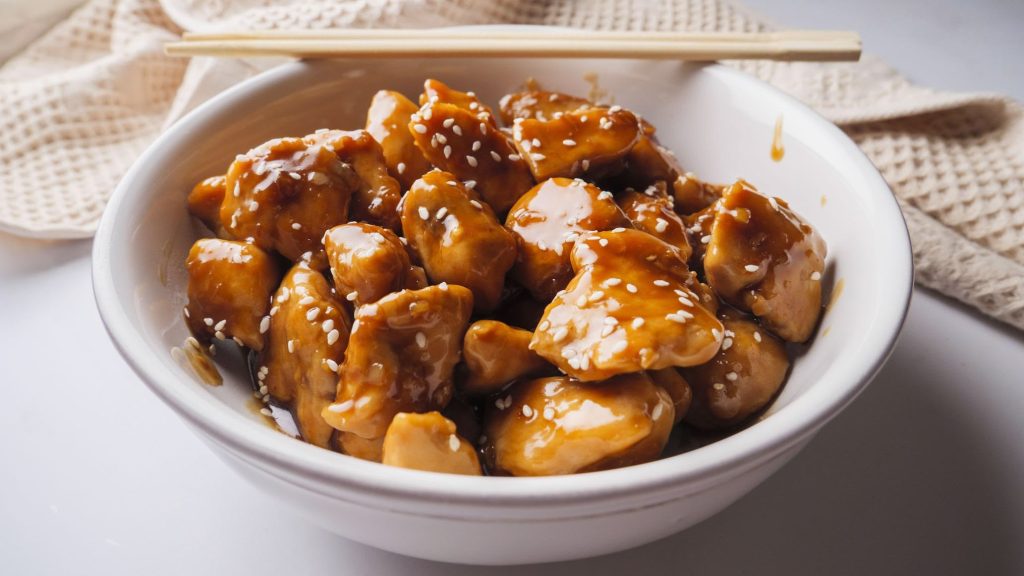
The global fascination with Japanese cuisine often centers on complex techniques and elusive ingredients, yet some of the most beloved dishes are rooted in simplicity. Teriyaki chicken stands as a prime example of this culinary paradox. While frequently encountered in Western fast-casual dining as a sauce-drenched afterthought, authentic Japanese teriyaki is a refined technique known as teriyaki-yaki, where “teri” refers to the luster or shine of the glaze and “yaki” means grilled or broiled. The distinction between a mediocre, sugary imitation and a glossy, savory, perfectly balanced homemade version lies not in secret spices, but in the understanding of heat control, ingredient ratios, and the chemistry of reduction. Creating an easy homemade version that rivals restaurant quality requires shifting the focus from merely mixing a sauce to mastering the interaction between protein and glaze. This approach transforms a weeknight dinner into a demonstration of culinary precision, accessible to any home cook willing to observe the process closely.
Deconstructing the Glaze: The Science of Balance
At the heart of any exceptional teriyaki dish is the sauce, which in traditional preparation is not a separate condiment but an integral part of the cooking process. The foundation of authentic teriyaki relies on a holy trinity of ingredients: soy sauce, mirin, and sake. Each component plays a specific chemical and flavor role that cannot be replicated by substitutes without altering the final profile. Soy sauce provides the essential saltiness and umami depth derived from fermented soybeans and wheat, a complexity that scientific studies on fermentation confirm is critical for savory satisfaction. Mirin, a sweet rice wine, contributes a mild sweetness and a distinct viscosity that helps the sauce cling to the chicken while imparting a subtle alcoholic note that evaporates during cooking, leaving behind a rounded flavor. Sake, a Japanese rice wine, acts as a tenderizer and flavor enhancer, helping to neutralize any potential gaminess in the poultry while adding aromatic depth.
Many quick recipes suggest substituting these core ingredients with brown sugar, honey, or cornstarch slurries to achieve thickness and sweetness rapidly. However, relying on cornstarch creates a gummy texture that masks the natural flavor of the chicken rather than complementing it. True teriyaki achieves its signature glossy coating through reduction, a process where water content evaporates, and natural sugars caramelize alongside the amino acids in the soy sauce. This reaction, known as the Maillard reaction, is further explored in resources regarding culinary chemistry and browning reactions, highlighting how heat transforms simple ingredients into complex flavor profiles. When sugar is added directly without the balancing acidity and alcohol of mirin and sake, the result is often a one-dimensional sweetness that burns before the chicken is cooked through.
The ratio of ingredients is equally critical to the success of the glaze. A standard, balanced ratio often follows a 1:1:1 proportion of soy sauce, mirin, and sake, though slight adjustments are made based on the sodium content of the soy sauce used. High-quality, naturally brewed soy sauces, such as those detailed in guides to traditional Japanese brewing methods, contain deeper flavors that require less volume to achieve the desired impact. Using low-sodium soy sauce can sometimes necessitate a longer reduction time to achieve the same viscosity, while dark soy sauce might alter the color to an unappealing black rather than a rich amber. Understanding these nuances allows the home cook to adjust the recipe dynamically, tasting the reduction as it progresses to ensure the balance remains sharp, savory, and slightly sweet without becoming cloying.
Selecting and Preparing the Protein
While the sauce defines the flavor, the chicken determines the texture and mouthfeel of the dish. In Japan, chicken thighs (momo) are overwhelmingly preferred over breasts for teriyaki preparations. This preference is not arbitrary; thigh meat contains a higher fat content and more connective tissue, which renders down during cooking to keep the meat moist and flavorful even under the high heat required for glazing. Breast meat, being leaner, is prone to drying out quickly, especially when subjected to the prolonged exposure to heat needed to reduce the sauce properly. Culinary experts often note that the margin for error with breast meat is slim, whereas thighs offer a forgiving texture that remains tender even if slightly overcooked. For those committed to using breast meat, slicing the meat against the grain into uniform strips can help mitigate toughness, though the inherent juiciness of thighs remains the gold standard for this dish.
Preparation of the chicken involves more than just cutting; it requires attention to surface moisture and temperature. Before cooking, the chicken should be patted thoroughly dry with paper towels. Excess moisture on the surface of the meat creates steam when it hits the pan, preventing the initial sear that is crucial for developing flavor. This searing step is the first phase of the Maillard reaction, creating a fond (browned bits) on the bottom of the pan that will later dissolve into the sauce, adding another layer of complexity. Food safety guidelines from organizations like the USDA regarding safe handling of poultry emphasize the importance of keeping raw chicken separate from other ingredients and ensuring surfaces are sanitized, a practice that is non-negotiable in any professional or home kitchen.
Cutting the chicken into uniform pieces ensures even cooking. Whether using thighs cut into bite-sized chunks or whole fillets, consistency in size prevents a scenario where some pieces are overcooked and dry while others remain undercooked. For bite-sized pieces, aiming for roughly one-inch cubes allows for a high surface-area-to-volume ratio, meaning more of the meat comes into direct contact with the glaze. This maximizes flavor absorption and creates a desirable textural contrast between the caramelized exterior and the juicy interior. If preparing whole fillets, scoring the surface lightly with a knife can help the sauce penetrate slightly deeper, though the primary goal remains achieving a perfect external glaze rather than internal marination, as the cooking time is relatively short.
The Cooking Process: Heat Management and Timing
The execution of teriyaki chicken is a study in heat management. Unlike braising or stewing, where liquid covers the food and heat is gentle, teriyaki requires a dynamic interplay between searing, simmering, and glazing. The process typically begins with heating a neutral oil with a high smoke point, such as vegetable or canola oil, in a heavy-bottomed skillet or wok. Once the oil shimmers, the chicken is added in a single layer, ensuring the pieces do not crowd the pan. Crowding lowers the pan temperature, causing the meat to steam rather than sear, which results in a pale, unappetizing appearance and a lack of foundational flavor. Allowing space between the pieces facilitates the evaporation of moisture and promotes the browning necessary for a robust taste profile.
Once the chicken is seared on all sides and nearly cooked through, the sauce mixture is introduced. This timing is crucial; adding the sauce too early can lead to burning, as the sugars in the mirin and the proteins in the soy sauce will char before the chicken is safe to eat. Upon adding the liquid, the heat should be adjusted to a steady simmer. This is the reduction phase, where the water content evaporates, and the flavors concentrate. Constant agitation of the pan or stirring with a spatula is necessary during this stage to ensure the sauce coats every piece evenly and does not settle and burn on the hot surface. As the liquid reduces, it will transition from a thin, watery consistency to a syrupy glaze. Visual cues are the best indicator of doneness here; the bubbles will become smaller and slower, and the sauce will coat the back of a spoon heavily.
The final stage involves tossing the chicken vigorously in the thickening glaze. As the sauce reaches a syrup-like consistency, it will begin to cling to the meat, creating that characteristic lacquered shine. This is the moment of “teri,” where the light reflects off the glossy surface. It is vital to remove the pan from the heat immediately once this stage is reached. Residual heat will continue to thicken the sauce, and leaving it on the burner for even thirty seconds too long can turn a perfect glaze into a hardened, sticky mess. Some cooks add a small knob of unsalted butter at the very end, off the heat, to introduce an extra layer of richness and an even brighter sheen, a technique borrowed from French finishing methods but highly effective in this context. The result should be chicken pieces that are deeply colored, glistening, and coated in a sauce that is viscous but not gloopy.
Common Pitfalls and How to Avoid Them
Despite the simplicity of the ingredient list, several common pitfalls can derail a teriyaki attempt. The most frequent error is the use of excessive sugar or sweeteners that burn easily. White sugar, brown sugar, and honey all have different burning points, and without the buffering effect of mirin and sake, they can carbonize rapidly, imparting a bitter taste that ruins the dish. Sticking to the traditional trio of soy sauce, mirin, and sake eliminates this variable, as the alcohol content helps regulate the caramelization process. For those who must substitute, understanding the smoke points and caramelization temperatures of various sweeteners can help in making informed adjustments, though nothing truly replicates the nuance of mirin.
Another significant issue is the consistency of the sauce. Many home cooks, accustomed to American-Chinese takeout versions, expect a thick, opaque gravy. Authentic teriyaki sauce is translucent and syrupy. Attempting to force opacity with cornstarch or flour changes the texture entirely, making it feel heavy and coating the tongue rather than enhancing the food. If a thicker consistency is absolutely desired without cornstarch, the solution is simply patience; allowing the reduction to continue longer will naturally increase viscosity. However, one must watch closely to prevent the sauce from reducing into a hard candy shell. The goal is a glaze that stays fluid enough to drizzle slightly but thick enough to adhere to the vertical sides of a chicken piece.
Overcooking the chicken is the third major hurdle. Because the glazing process happens quickly at high heat, the window between “perfectly glazed” and “rubbery” is narrow. Using a meat thermometer can provide objective data to prevent this; chicken thighs are best when cooked to an internal temperature of 165°F (74°C), though some chefs prefer pulling them slightly earlier as carryover cooking will raise the temperature while resting. Relying solely on visual cues for doneness can be tricky when the dark sauce obscures the color of the meat. Cutting into a test piece or using a digital probe ensures safety without sacrificing juicency. Resources on proper meat temperatures and resting times provide essential benchmarks for achieving food safety standards while maintaining optimal texture.
Serving Suggestions and Traditional Pairings
In Japanese culinary tradition, the presentation and pairing of dishes are as important as the cooking itself. Teriyaki chicken is rarely served in isolation; it is part of a balanced meal that includes rice, pickles, and perhaps a clear soup or salad. The most classic accompaniment is steamed short-grain white rice, often referred to as “sushi rice” in Western markets, though any high-quality Japonica rice works well. The stickiness and slight sweetness of short-grain rice provide the perfect vehicle for soaking up any excess glaze, ensuring no flavor is wasted. The texture contrast between the chewy, glazed chicken and the soft, warm rice creates a harmonious mouthfeel that is central to the dining experience. Guides to cooking perfect Japanese rice emphasize the importance of washing the rice thoroughly to remove excess starch, resulting in grains that are distinct yet cohesive.
To cut through the richness of the savory-sweet glaze, traditional meals include tsukemono (Japanese pickles). These can range from simple salted cucumbers to fermented radishes, providing a sharp, acidic crunch that cleanses the palate between bites. The acidity balances the umami and sweetness of the teriyaki, preventing palate fatigue. A simple side salad dressed with a sesame-ginger vinaigrette also complements the dish well, adding freshness and a different textural element. For a more complete meal structure, serving a bowl of miso soup alongside the chicken adheres to the traditional ichiju-sansai (one soup, three sides) philosophy, creating a nutritionally balanced and visually appealing plate.
Garnishing plays a subtle but effective role in the final presentation. A sprinkling of toasted white sesame seeds adds a nutty aroma and a slight crunch, while thinly sliced scallions (green onions) provide a pop of color and a fresh, oniony bite that contrasts with the cooked flavors. Sometimes, a small amount of beni shoga (red pickled ginger) is added for a vibrant splash of color and a tangy kick, though this is more common with rice bowls (donburi) than plated dinners. The visual appeal of the dish is enhanced by the contrast of the dark, glossy chicken against the white rice and bright green garnishes, making the meal inviting before the first bite is even taken.
Comparative Analysis: Authentic vs. Westernized Styles
Understanding the differences between authentic Japanese teriyaki and its Westernized counterparts helps in appreciating the nuances of the homemade version. The table below outlines the key distinctions in ingredients, technique, and outcome, providing a clear roadmap for those aiming to replicate the traditional style.
| Feature | Authentic Japanese Teriyaki | Westernized / Fast-Food Style |
|---|---|---|
| Primary Sweetener | Mirin (Sweet Rice Wine) | High Fructose Corn Syrup, Brown Sugar, Honey |
| Thickening Agent | Natural Reduction (Evaporation) | Cornstarch Slurry or Flour Roux |
| Texture of Sauce | Translucent, Syrupy, Glossy | Opaque, Gravy-like, Sticky/Gummy |
| Flavor Profile | Balanced Umami, Subtle Sweetness, Alcohol notes | Dominantly Sweet, Salty, One-dimensional |
| Cooking Method | Sear then Glaze (Integrated) | Fry/Bake then Pour Sauce (Separate) |
| Chicken Cut | Thighs (Momo) preferred | Breasts often used |
| Visual Finish | Lacquered Shine (Teri) | Dull or Artificially Shiny |
| Serving Style | With Rice, Pickles, Simple Sides | Overloaded with Veggies, Noodles, or Rice |
This comparison highlights that the “easy” homemade version advocated here aligns with the authentic method, which is paradoxically simpler in ingredients but requires more attention to technique. The Westernized version often relies on stabilizers and thickeners to create a shelf-stable product that can be mass-produced, sacrificing the delicate balance of flavors for consistency and cost-efficiency. By avoiding cornstarch and embracing reduction, the home cook achieves a superior flavor profile that is lighter yet more intense, proving that traditional methods are often the most efficient path to quality.
Frequently Asked Questions
Can I make teriyaki sauce without mirin or sake?
While authentic teriyaki relies on mirin and sake for their unique flavor profiles and chemical properties, substitutions are possible in a pinch. For mirin, a mixture of dry white wine or rice vinegar with a small amount of sugar can mimic the sweetness and acidity, though it lacks the specific depth of fermented rice wine. Sake can be replaced with dry sherry or even a splash of chicken broth, though the tenderizing effect may be reduced. It is important to note that these substitutes will alter the final taste, moving it slightly away from the traditional profile. For the best results, sourcing these ingredients from an Asian grocery store or the international aisle of a supermarket is recommended, as they are fundamental to the dish’s identity.
Why is my teriyaki sauce turning out bitter?
Bitterness in teriyaki sauce is almost always the result of burning the sugars or the soy solids. This occurs when the heat is too high during the reduction phase or when the sauce is left on the heat too long after it has thickened. Soy sauce contains proteins and sugars that can scorch quickly if not monitored. To prevent this, maintain a steady simmer rather than a rolling boil once the sauce is added, and stir constantly as the liquid reduces. If using a substitute with high sugar content like honey or brown sugar without the buffering alcohol of sake and mirin, the risk of burning increases significantly. Removing the pan from the heat source just before the sauce looks “done” allows residual heat to finish the job without crossing into burnt territory.
Is teriyaki chicken healthy?
Teriyaki chicken can be a nutritious part of a balanced diet, provided portion sizes and sodium levels are managed. Chicken thighs are a good source of protein, vitamins, and minerals, though they are higher in fat than breasts. The primary health consideration is the sodium content in soy sauce and the sugar content in the glaze. Homemade versions allow for complete control over these elements; using low-sodium soy sauce and adjusting the amount of mirin can significantly reduce the sodium and sugar load compared to restaurant or bottled versions. Furthermore, because the dish is typically served with vegetables and rice, it offers a well-rounded macronutrient profile. Moderation is key, as with any dish featuring a glaze.
Can I freeze leftover teriyaki chicken?
Yes, teriyaki chicken freezes reasonably well, though the texture of the sauce may change slightly upon thawing. The reduction process creates a stable emulsion, but freezing can sometimes cause separation. To reheat, thaw the chicken in the refrigerator overnight and then warm it gently in a skillet over low heat, adding a splash of water or broth to loosen the sauce if it has become too thick or sticky. Avoid microwaving on high power, as this can toughen the chicken and cause the sauce to splatter. For best quality, consume frozen leftovers within two to three months. Freshly prepared teriyaki is always superior, so freezing should be considered a convenience option rather than a primary storage method.
What is the difference between teriyaki and yakitori?
While both dishes involve grilling chicken and often use similar glazes, they are distinct preparations. Yakitori refers specifically to skewered chicken, where various parts of the bird are grilled over charcoal. Yakitori can be seasoned with salt (shio) or tare (a sauce similar to teriyaki but often thicker and sweeter due to repeated use and reduction over time). Teriyaki, on the other hand, generally refers to the cooking method of grilling or broiling with a soy-based glaze and is not limited to skewers; it is often served as fillets or bite-sized pieces in a bowl or on a plate. The term “teriyaki” describes the technique and the glaze, whereas “yakitori” describes the format (skewers). A skewer glazed with teriyaki sauce could technically be called teriyaki yakitori, illustrating the overlap in flavors but the distinction in form.
Conclusion
Mastering the art of easy homemade Japanese teriyaki chicken is less about following a rigid set of instructions and more about understanding the relationship between heat, time, and ingredients. By respecting the traditional trinity of soy sauce, mirin, and sake, and rejecting the shortcut of thickeners, the home cook unlocks a flavor profile that is nuanced, balanced, and deeply satisfying. The process demands attention—watching the sear, monitoring the reduction, and recognizing the precise moment the glaze turns from liquid to lacquer—but the reward is a dish that transcends the limitations of takeout fare. It is a testament to the idea that simplicity, when executed with knowledge and care, yields the most profound results.
The journey from raw ingredients to a glistening plate of teriyaki chicken offers a practical lesson in culinary chemistry and cultural appreciation. It demonstrates that authentic flavors are accessible without exotic equipment or obscure techniques, requiring only a willingness to engage with the cooking process actively. Whether served over a bed of steaming rice with a side of pickles or incorporated into a modern fusion bowl, this dish stands as a versatile staple that bridges the gap between everyday cooking and culinary artistry. As the skills developed in making this dish translate to other glazing and reduction techniques, the home cook builds a foundation of expertise that elevates their entire repertoire. The next time the craving for teriyaki strikes, the solution lies not in a bottle from the supermarket shelf, but in the pantry staples and the stovetop, ready to be transformed into something extraordinary through the simple, timeless power of fire and reduction.