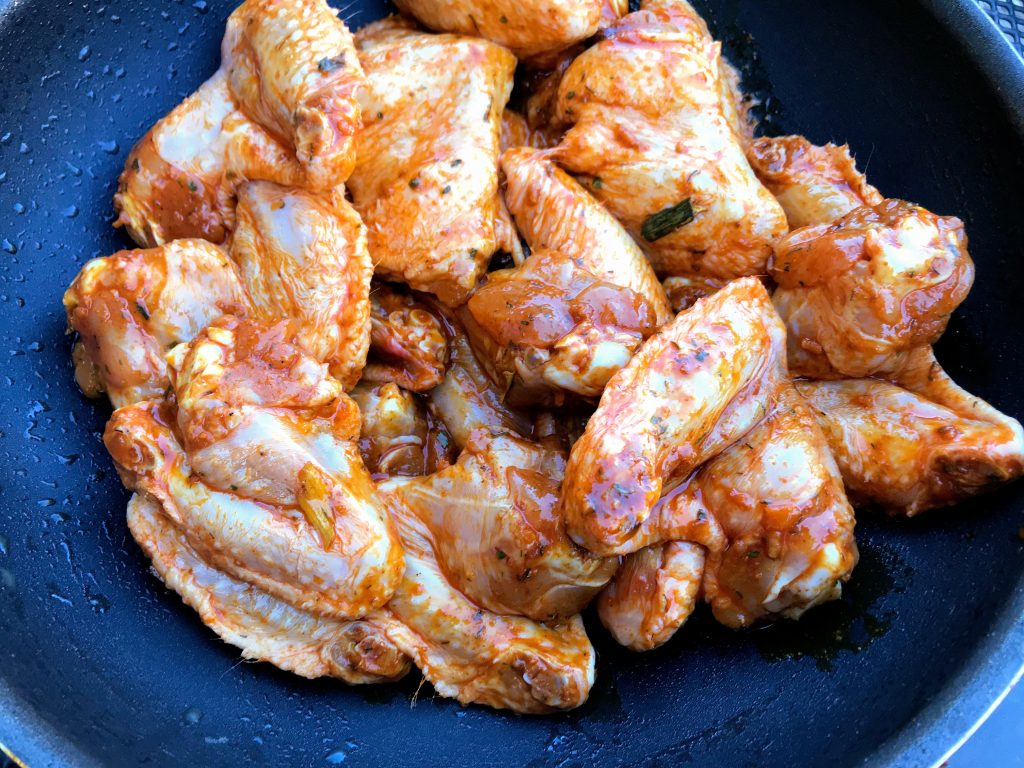
The difference between a dry, bland piece of poultry and a succulent, flavor-packed centerpiece often lies not in the cooking method, but in the hours preceding it. Marinating chicken overnight is a technique that transcends simple recipe following; it is a chemical process where time, acidity, enzymes, and salt work in unison to transform the texture and taste profile of the meat. While a quick thirty-minute soak can impart surface flavor, an extended marination period allows for deeper penetration and significant structural changes within the muscle fibers. Understanding the mechanics behind this process empowers home cooks and culinary professionals alike to consistently achieve restaurant-quality results. This guide explores the intricate balance of ingredients, timing, and food safety required to master the art of overnight chicken marination.
The Chemistry of Flavor Penetration
To effectively marinate chicken, one must first understand the biological structure of the meat. Chicken muscle fibers are dense bundles of protein surrounded by connective tissue. Flavor molecules, particularly large ones found in herbs and spices, struggle to penetrate deep into these fibers without assistance. The primary agents that facilitate this movement are salt, acid, and enzymes. Salt acts as a powerful solvent, breaking down protein structures and allowing water and flavor compounds to enter the cells through osmosis and diffusion. According to research from food science institutions like America’s Test Kitchen, salted brines or marinades can penetrate up to an inch into the meat over several hours, whereas unsalted acidic mixtures often remain on the surface.
Acids, such as lemon juice, vinegar, or yogurt, play a dual role. They tenderize the meat by denaturing proteins, essentially “cooking” the exterior slightly before heat is applied, which helps the meat retain moisture during the final cooking stage. However, the relationship between acid and time is delicate. Excessive exposure to strong acids can turn the outer layer of the chicken mushy or mealy, a textural defect that ruins the eating experience. The USDA Food Safety and Inspection Service provides guidelines on how different marinade components interact with meat safety and quality, emphasizing that while acid kills some surface bacteria, it does not sterilize the meat, making proper refrigeration critical during long soaks.
Enzymatic marinades offer a different pathway to tenderness. Ingredients like pineapple (containing bromelain), papaya (containing papain), ginger, and kiwi contain natural proteases that actively break down peptide bonds in the muscle fibers. These enzymes are incredibly potent; leaving chicken in a pure pineapple juice marinade overnight can result in a disintegrated texture resembling ground meat rather than solid cuts. Successful overnight marination with enzymatic ingredients requires dilution or the use of cooked versions of these fruits, where the heat has deactivated the enzymes, leaving only the flavor behind. Resources from culinary science hubs like Serious Eats often detail experiments showing how enzyme activity peaks and then declines, highlighting the need for precise timing when using fresh tropical fruits.
Selecting the Right Cut for Extended Marination
Not all chicken cuts respond to overnight marination in the same way. The geometry and composition of the cut dictate how much marinade it can absorb and how long it can safely remain in the mixture without compromising texture. Boneless, skinless chicken breasts are lean and have a high surface-area-to-volume ratio, making them excellent candidates for flavor absorption. However, their low fat content means they are susceptible to becoming dry if the marinade is too acidic or if they are overcooked. For breasts, an overnight soak in a balanced mixture containing oil, moderate acid, and salt yields a juicier result by increasing the meat’s water-holding capacity. The National Chicken Council offers extensive data on the nutritional profiles of different cuts, which helps in understanding why leaner cuts benefit more from the moisture-retention properties of a well-formulated brine or marinade.
Dark meat, including thighs and drumsticks, contains more connective tissue and intramuscular fat. These cuts are more forgiving and generally benefit greatly from long marination times. The collagen in dark meat breaks down slowly, and the fat acts as a carrier for fat-soluble flavor compounds found in spices like cumin, paprika, and turmeric. Because the muscle structure is denser, dark meat can withstand stronger acids and longer exposure times without becoming mushy. In fact, many traditional recipes for jerk chicken or tandoori-style dishes specifically call for scoring the meat and marinating it for 12 to 24 hours to ensure the flavors reach the bone. Informational guides from university extension programs like Penn State Extension often highlight the differences in cooking characteristics between white and dark meat, reinforcing the idea that marinade formulation should be cut-specific.
Skin-on presents a unique challenge and opportunity. The skin acts as a barrier, preventing marinade from reaching the meat directly. To maximize flavor in skin-on cuts, it is essential to loosen the skin carefully and apply the marinade directly onto the flesh underneath. Alternatively, the marinade can be formulated with higher concentrations of aromatic oils that will infuse the skin itself, creating a flavorful crust when roasted or grilled. It is important to note that while the skin protects the meat from drying out, it also prevents the absorption of water-based marinades. Therefore, oil-based rubs or pastes are often more effective for skin-on chicken intended for overnight storage. Detailed butchery and preparation tips available through professional culinary resources like The Culinary Institute of America provide visual and textual guidance on how to properly prepare skin-on poultry for maximum flavor uptake.
Constructing the Perfect Overnight Marinade Matrix
A successful marinade is built on a ratio of fat, acid, aromatics, and salt. Getting this balance right is crucial for an overnight soak, as the flavors will concentrate and intensify over time. Oil serves as the base, coating the meat and carrying fat-soluble flavors. Olive oil is a classic choice for Mediterranean profiles, while sesame oil works beautifully for Asian-inspired dishes, and neutral oils like grapeseed or avocado oil allow the spices to shine without adding their own distinct taste. The type of oil chosen also affects the freezing point and viscosity of the marinade, which can influence how evenly it coats the chicken in a cold refrigerator environment.
Acid provides the brightness and tenderizing power. Common choices include citrus juices, various vinegars (apple cider, rice, balsamic, wine), wine, beer, and dairy products like buttermilk or yogurt. Yogurt and buttermilk are particularly effective for overnight marination because their mild acidity tenderizes gently without the harsh effects of straight vinegar or lemon juice. The calcium in dairy can also activate enzymes in the meat that further enhance tenderness. This technique is central to dishes like Indian butter chicken or Southern fried chicken, where the dairy base creates a creamy, tangy crust. Studies referenced by food chemistry databases like FoodInfoNet explain the specific pH levels of various acidic ingredients and their respective impacts on protein denaturation rates.
Aromatics and seasonings are the soul of the marinade. Fresh herbs like rosemary, thyme, cilantro, and parsley release their oils slowly, making them ideal for long soaks. Dried spices, on the other hand, rehydrate in the liquid, releasing their full potential over several hours. Garlic, ginger, onions, and shallots provide a savory depth that forms the foundation of the flavor profile. When preparing these ingredients for an overnight marinade, it is often beneficial to crush or grate them to increase surface area and accelerate flavor extraction. However, fresh garlic carries a risk of botulism if stored in oil at room temperature, though this risk is mitigated in a refrigerated overnight marinade. Still, food safety experts from organizations like the FDA recommend keeping garlic-infused oils refrigerated and using them within a few days to prevent any bacterial growth.
Salt is the most critical component for flavor penetration. Whether used as table salt, kosher salt, soy sauce, fish sauce, or miso, sodium ions disrupt the muscle fiber structure, allowing the meat to absorb more liquid. This process, known as brining within a marinade, ensures that the chicken remains juicy even if slightly overcooked. For an overnight marinade, the salt concentration should be carefully measured; typically, a solution of about 1% to 1.5% salt by weight of the liquid is sufficient. Too much salt can cure the meat, giving it a ham-like texture, which is usually undesirable for standard roasted or grilled chicken. Comprehensive guides on salt usage in cooking from sources like Kenji López-Alt’s writings provide precise measurements and scientific explanations for why salt is non-negotiable in effective marination.
Safety Protocols for Extended Marination
Marinating chicken overnight introduces specific food safety considerations that must be strictly adhered to prevent foodborne illness. The temperature danger zone, where bacteria multiply rapidly, is between 40°F and 140°F (4°C and 60°C). Consequently, marinating must always take place in the refrigerator, never on the countertop. Even if the marinade contains acidic ingredients like vinegar or lemon juice, these are not sufficient to kill pathogens like Salmonella or Campylobacter within the timeframe of an overnight soak. The Centers for Disease Control and Prevention (CDC) emphasizes that refrigeration is the only reliable method to keep bacterial growth in check during prolonged marination.
The choice of container is also vital for safety and efficacy. Reactive metals like aluminum or copper can react with acidic marinades, leaching metal ions into the food and imparting a metallic taste while potentially degrading the container. Non-reactive materials such as glass, ceramic, stainless steel, or high-quality food-grade plastic (like Ziploc bags) are the safest options. Using resealable plastic bags has the added advantage of minimizing air exposure and ensuring the marinade surrounds the chicken completely with less volume required. Furthermore, placing the container on the bottom shelf of the refrigerator prevents any accidental drips from contaminating ready-to-eat foods below. Guidelines from home food safety organizations like Fight BAC! outline these storage practices clearly to help consumers avoid cross-contamination.
One of the most common mistakes in marinating is reusing the leftover liquid. The raw chicken juices mixed into the marinade make it a breeding ground for bacteria. If the marinade is desired as a sauce for serving, it must be boiled vigorously for several minutes to destroy any pathogens before being applied to the cooked meat. Alternatively, a portion of the marinade can be set aside before adding the chicken to be used later as a finishing sauce. This simple step eliminates the risk of reintroducing raw bacteria to the finished dish. The USDA explicitly warns against basting with used marinade during the last few minutes of cooking unless it has been boiled first, as the brief exposure to heat may not be enough to ensure safety.
Techniques to Maximize Absorption and Texture
Beyond the ingredients, physical techniques can significantly enhance the effectiveness of an overnight marinade. Scoring the meat involves making shallow cuts into the surface of the chicken, particularly useful for thicker cuts like breasts or whole legs. These incisions increase the surface area, allowing the marinade to reach deeper into the muscle fibers. Care must be taken not to cut too deeply, which could cause the meat to fall apart during cooking, but shallow slashes are highly effective for flavor delivery. This technique is widely used in global cuisines, from the deep cuts in Caribbean jerk preparation to the subtle scoring in French confit preparations.
Massaging the marinade into the chicken is another tactile method that aids distribution. By physically working the spices and liquids into the meat, the cook ensures that no spot is left uncovered and helps to break down surface tension, facilitating faster absorption. When using thick pastes, such as those made with yogurt and ground spices, massaging is essential to coat every crevice. Vacuum sealing represents the technological peak of marination efficiency. By removing air from the bag, the vacuum forces the marinade into close contact with the meat and can even pull air out of the porous muscle structures, allowing the liquid to rush in when the seal is released. While not strictly necessary for home cooks, studies on sous-vide and vacuum marination have shown that this method can reduce marination time significantly or deepen flavor penetration in standard timeframes.
Temperature consistency within the refrigerator is another often-overlooked factor. Placing the marinating chicken in the coldest part of the fridge ensures that the temperature remains stable throughout the night. Frequent opening of the refrigerator door can cause temperature fluctuations that might briefly enter the danger zone or slow down the enzymatic and osmotic processes. Additionally, turning the chicken or agitating the bag once or twice during the marination period helps redistribute the spices and ensures even flavor coverage, especially if heavier ingredients like whole peppercorns or minced garlic have settled at the bottom.
| Factor | Short Marination (30 mins – 2 hrs) | Overnight Marination (8 – 12 hrs) | Key Consideration |
|---|---|---|---|
| Flavor Depth | Surface level only | Deep penetration into fibers | Salt is required for deep penetration in both, but time amplifies it. |
| Tenderizing Effect | Minimal structural change | Significant protein denaturation | Avoid strong acids/enzymes for >4 hours on breast meat to prevent mushiness. |
| Best Cuts | Thin cutlets, wings, strips | Whole breasts, thighs, drumsticks, whole birds | Thicker cuts require time for flavor to reach the center. |
| Acid Tolerance | High (lemon, vinegar ok) | Moderate (dilute acid or use dairy) | Dairy/yogurt is safer for long soaks than straight citrus/vinegar. |
| Convenience | Requires active prep before cook | Prep ahead, cook anytime | Ideal for meal prepping and entertaining. |
| Safety Risk | Low (if refrigerated) | Moderate (strict temp control needed) | Never marinate at room temperature; discard used liquid unless boiled. |
Global Perspectives on Long-Form Marination
Culinary traditions around the world have long recognized the value of time in developing flavor. In Indian cuisine, the use of yogurt-based marinades infused with garam masala, ginger, and garlic is fundamental to dishes like Tandoori Chicken. The yogurt not only tenderizes the meat gently over several hours but also forms a protective layer that chars beautifully in high heat, locking in juices. The complexity of spice blends in these marinades relies on the overnight rest to allow the individual flavor notes to meld into a cohesive profile. Authoritative culinary texts on Indian cooking techniques often stress that skipping the marination step results in a disjointed flavor experience where spices taste raw and separate.
In the Caribbean, jerk marinades utilize a combination of scotch bonnet peppers, allspice, thyme, and acidic components like lime juice or vinegar. Traditional methods involve marinating the chicken for up to 24 hours, sometimes even piercing the skin repeatedly to ensure the fiery, aromatic paste penetrates the bone. The long duration allows the capsaicin from the peppers and the volatile oils from the allspice to permeate the meat thoroughly, creating a heat that is internal rather than just superficial. Similarly, in Latin American cuisine, mojo marinades featuring sour orange juice, garlic, and oregano are used for lechon or pollo asado. The citric acid in sour oranges is potent, so the balance of oil and the duration of the soak are carefully managed to achieve tenderness without disintegration. Insights from global food heritage organizations highlight how these traditional methods evolved specifically to preserve meat and maximize flavor in eras before modern refrigeration, relying on salt and acid as preservatives.
Mediterranean and Middle Eastern cuisines often employ lemon, olive oil, and herb-heavy marinades for souvlaki or shawarma. While some versions are quick, the most authentic textures come from letting the chicken rest in the mixture overnight. The interaction between the olive oil’s polyphenols and the herbs creates a robust flavor base that stands up to grilling. In these traditions, the marinade often doubles as a basting liquid, though, as noted earlier, safety protocols dictate boiling it first if it has touched raw meat. The universality of overnight marination across these diverse cultures underscores its effectiveness as a culinary tool, validated by centuries of trial and error.
Troubleshooting Common Marination Issues
Even with careful planning, issues can arise during the marination process. If the chicken turns out too salty, it is likely that the salt concentration in the marinade was too high or the soaking time was excessive for the cut size. Desalting is difficult once the process is complete, but rinsing the chicken briefly before cooking and pairing it with an unsalted side dish can mitigate the issue. Conversely, if the flavor is weak despite an overnight soak, the culprit is often a lack of salt or insufficient surface area preparation. Without salt to drive osmosis, the flavors simply sit on the surface.
Texture problems, such as a mushy or mealy exterior, are almost always due to over-marinating in high-acid or high-enzyme environments. If this happens, the structural integrity of the protein has been compromised beyond repair. Prevention is the only cure; reducing the amount of acid, switching to a dairy-based marinade, or shortening the marination time for future batches will resolve this. Another common complaint is uneven coloring or flavor distribution. This usually stems from overcrowding the container or failing to turn the chicken during the process. Ensuring the chicken is in a single layer or adequately agitated within a bag promotes uniform contact with the marinade.
Sometimes, the marinade may appear separated or curdled after sitting overnight, particularly if dairy and acid are combined. While this can look unappealing, it does not necessarily indicate spoilage if the mixture has been kept cold. Whisking the marinade before applying it or accepting that the separation is natural can alleviate concern. However, any off-odors, slimy texture on the meat, or gas buildup in the container are clear signs of bacterial spoilage, and the entire batch should be discarded immediately. Trusting one’s senses is a critical skill in the kitchen, supported by the knowledge that proper refrigeration makes spoilage rare within a 24-hour window.
Frequently Asked Questions
Can I marinate chicken for longer than 24 hours?
While it is possible to marinate chicken for up to 48 hours, it is generally not recommended for most cuts. Beyond 24 hours, the acidic or enzymatic components begin to break down the muscle fibers excessively, leading to a mushy, unpleasant texture. Dark meat with skin on can tolerate slightly longer times better than lean breast meat, but the law of diminishing returns applies; most flavor penetration occurs within the first 12 hours. For periods longer than two days, freezing the chicken in the marinade is a better option, as the marination process pauses until the meat thaws.
Is it safe to reuse marinade as a sauce?
No, marinade that has been in contact with raw chicken cannot be reused as a sauce without thorough cooking. The raw juices introduce harmful bacteria like Salmonella. To use the marinade as a finishing sauce, it must be brought to a rolling boil for at least one to two minutes to kill any pathogens. A safer alternative is to reserve a portion of the fresh marinade before adding the chicken, keeping it separate in the refrigerator to use later.
Does the type of container affect the marination process?
Yes, the material of the container matters. Acidic marinades can react with aluminum, copper, or cast iron, causing the metal to leach into the food and impart a metallic taste. It can also discolor the food. Glass, ceramic, stainless steel, and food-grade plastic bags are non-reactive and ideal for marinating. Plastic bags are particularly efficient as they can be sealed tightly to remove air, ensuring the marinade stays in constant contact with the meat.
Should I poke holes in the chicken before marinating?
Poking holes or scoring the chicken can help the marinade penetrate deeper, especially for thicker cuts or skin-on pieces. However, excessive piercing can cause the meat to lose its natural juices during cooking, leading to a drier result. Shallow scoring is usually sufficient. For boneless, skinless breasts, the surface area is already adequate for effective marination without additional puncturing.
What is the best temperature for marinating chicken?
Chicken must always be marinated in the refrigerator at or below 40°F (4°C). Marinating at room temperature allows bacteria to multiply rapidly, posing a serious health risk. The cold temperature slows bacterial growth while still allowing the chemical processes of flavor absorption and tenderization to occur, albeit at a slightly slower rate than at room temperature, which is a necessary trade-off for safety.
Can I freeze chicken in the marinade?
Yes, freezing chicken in its marinade is an excellent strategy for meal planning. The freezing process halts bacterial growth and pauses the marination. As the chicken thaws in the refrigerator, the marination process resumes. This method can actually enhance flavor penetration as the ice crystals formed during freezing can rupture some cell walls, allowing the marinade to enter more easily upon thawing. Ensure the chicken is fully thawed before cooking to ensure even heat distribution.
Do I need to bring the chicken to room temperature before cooking after marinating?
It is generally advisable to let the chicken sit out for about 15 to 20 minutes after removing it from the refrigerator before cooking. This takes the chill off the surface, promoting more even cooking and preventing the exterior from burning before the interior reaches a safe temperature. However, do not leave it out for more than an hour to avoid entering the temperature danger zone. Pat the chicken dry with paper towels before cooking to ensure better browning and searing.
Conclusion
Mastering the technique of overnight chicken marination transforms a routine dinner into a culinary event defined by depth of flavor and superior texture. It is a process grounded in science, where salt, acid, and time collaborate to alter the very structure of the meat, inviting flavors to reside deep within rather than merely clinging to the surface. By selecting the appropriate cut, balancing the marinade matrix with precision, and adhering to rigorous food safety standards, cooks can unlock the full potential of their ingredients. The practice draws upon a rich tapestry of global traditions, proving that patience in the kitchen is often the most potent ingredient of all.
Whether utilizing the gentle tenderizing power of yogurt, the bright zest of citrus, or the complex heat of spice pastes, the overnight approach offers a margin of error that quick fixes cannot match. It allows the flavors to meld and mature, resulting in a harmonious blend that elevates the dining experience. As with any culinary skill, experimentation is key; adjusting ratios, trying new aromatic combinations, and observing the effects on different cuts will refine one’s intuition and expertise. Ultimately, the effort invested in the preparation phase pays dividends at the table, delivering moist, flavorful chicken that speaks to the care and knowledge put into its creation. With these principles in hand, the path to consistently exceptional poultry dishes is clear, inviting cooks to embrace the wait and savor the results.