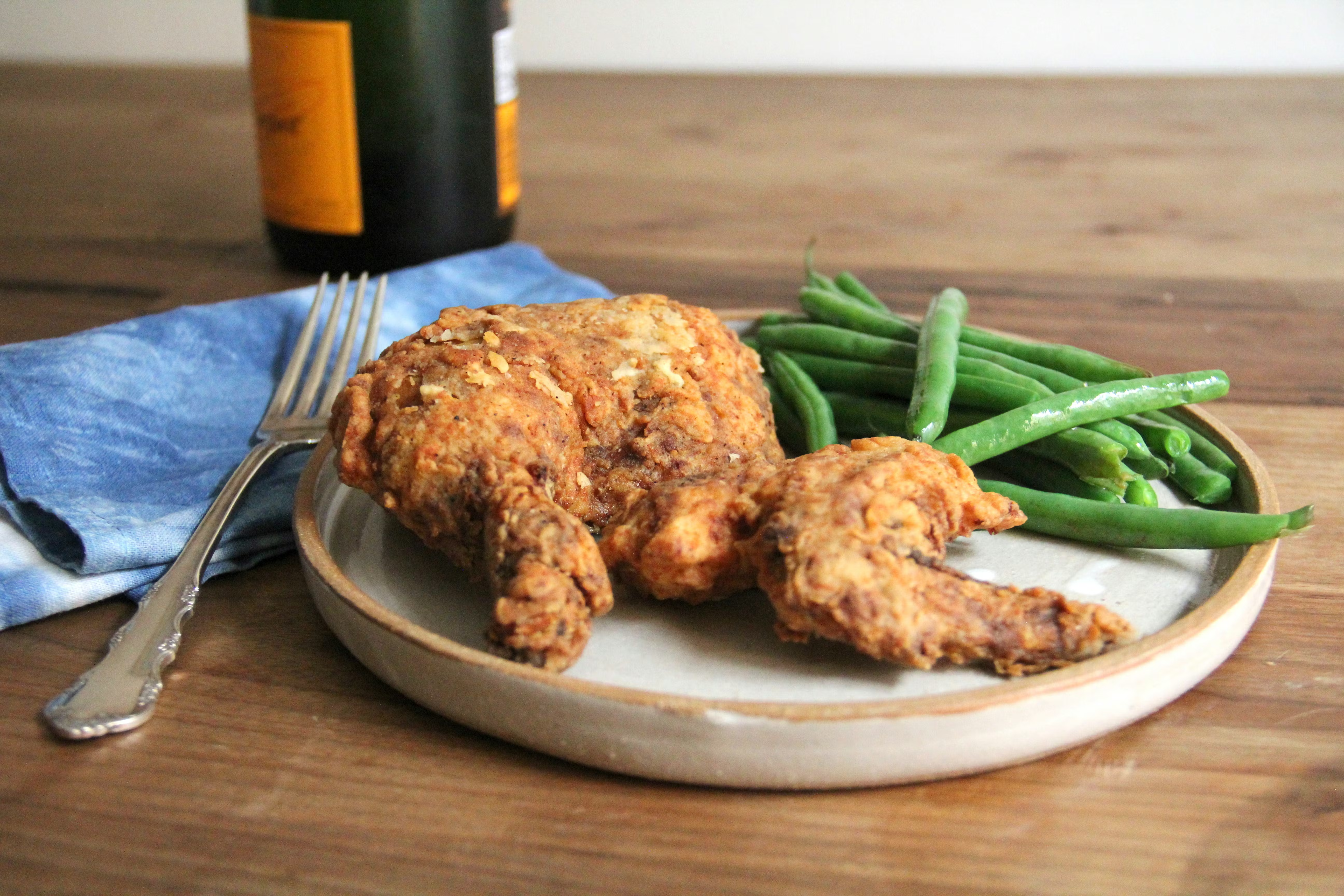
American fried chicken stands as a culinary icon, a dish that transcends regional boundaries to become a global standard for comfort food. The allure lies in the duality of its texture: a shattering, golden-brown crust that gives way to meat so succulent it seems to defy the high heat required to cook it. While many assume this result is a matter of luck or secret family spells, the reality is grounded in food science, precise technique, and an understanding of how ingredients interact under heat. Mastering this dish at home requires moving beyond simple recipes to understand the mechanics of frying, the chemistry of batters, and the critical control points that separate mediocre results from restaurant-quality excellence.
The Foundation: Selecting and Preparing the Protein
The journey to exceptional fried chicken begins long before the oil is heated; it starts with the selection of the poultry itself. Not all chicken is created equal when it comes to deep frying. The ideal candidate is often labeled as “fryer” or “broiler-fryer” chicken, typically weighing between 2.5 to 3.5 pounds. These birds possess a favorable ratio of meat to bone and a skin structure that crisps efficiently without becoming leathery. According to the USDA guidelines on poultry selection, younger birds have more tender connective tissue, which is crucial because frying is a rapid cooking method that does not have the time to break down the tough collagen found in older stewing hens.
Once the bird is selected, the cutting technique plays a pivotal role in even cooking. A standard eight-piece cut—comprising two breasts (often halved crosswise), two wings, two thighs, and two drumsticks—ensures that pieces of varying densities can cook harmoniously. The breast meat, being leaner, cooks faster than the dark meat of the thighs and legs. By halving the breast, the thickness is reduced, allowing it to reach the safe internal temperature of 165°F (74°C) at roughly the same time as the darker cuts. Precision here prevents the common pitfall of dry, overcooked white meat accompanying undercooked dark meat. Resources like the National Chicken Council provide detailed diagrams and butchering guides that emphasize safety and yield optimization during this preparation phase.
Before any seasoning touches the meat, thorough drying is non-negotiable. Surface moisture is the enemy of crispiness. When wet chicken hits hot oil, the water must boil off into steam before the surface temperature can rise high enough for the Maillard reaction—the chemical process responsible for browning and flavor development—to occur. This delay leads to oil absorption and a soggy coating. Patting every piece aggressively with paper towels removes this barrier. Some professional kitchens take this further by air-drying the chicken on a rack in the refrigerator for several hours, a technique that desiccates the skin slightly, promoting an even crunchier finish.
The Brine: Engineering Juiciness from the Inside Out
The secret to the “juicy” descriptor often attributed to top-tier fried chicken is not just avoiding overcooking; it is actively engineering moisture retention through brining. A brine is a solution of salt and water, often enhanced with aromatics, sugar, or acid, in which the chicken is submerged prior to cooking. The science behind this involves osmosis and diffusion. Salt ions penetrate the muscle fibers, causing protein strands to unwind and swell. This structural change allows the muscle cells to hold onto more water during the heating process.
A standard effective brine consists of roughly ¼ cup of kosher salt per quart of water. Kosher salt is preferred over table salt due to its larger crystal structure and lack of anti-caking agents, which ensures a pure saline flavor without metallic undertones. The Science of Cooking details how salt denatures myosin, a major protein in muscle tissue, creating a gel-like matrix that traps water. Without this step, the intense heat of the fryer forces moisture out rapidly, resulting in dry meat. With a proper brine, the chicken retains significantly more internal juices, even if slightly overcooked by a minute or two.
Timing is critical in the brining process. Because chicken is delicate compared to red meats, it does not require days of curing. A duration of 4 to 12 hours is typically sufficient for cut-up pieces. Extending this beyond 24 hours can lead to a mushy texture as the proteins break down too extensively. Adding ingredients like buttermilk, hot sauce, or garlic to the brine infuses flavor deep into the tissue rather than just sitting on the surface. However, it is important to note that if the brine contains significant acid (like vinegar or lemon juice), the timing should be reduced to prevent the meat from becoming mealy, as acids accelerate protein denaturation. The Food Safety and Inspection Service emphasizes that brining must always be conducted in the refrigerator to prevent bacterial growth, never at room temperature.
The Dredge: Architecture of the Crust
The coating of fried chicken is an architectural marvel, designed to protect the meat from direct, harsh heat while creating a textural contrast. The classic American approach utilizes a seasoned flour dredge, often applied in a double-dip method to create craggy, irregular surfaces that maximize crunch. The base is all-purpose flour, which provides the necessary gluten structure to hold the coating together. However, many expert cooks substitute a portion of the flour with cornstarch or rice flour. Cornstarch has a lower protein content and fries up lighter and crispier than wheat flour, preventing the coating from becoming bread-like or doughy.
Seasoning the flour is where the flavor profile is established. It is a common mistake to rely solely on salted flour; the seasoning must be aggressive. A robust blend includes salt, black pepper, garlic powder, onion powder, paprika (for color and earthiness), and often cayenne or white pepper for a subtle heat that lingers. The ratio of seasoning to flour should be high enough that the flour mixture tastes slightly too salty on its own; once combined with the unseasoned chicken and diluted by the frying process, the balance will be correct. Culinary institutes often reference the importance of layering flavors, a concept supported by flavor profiling data from organizations like the Institute of Food Technologists.
The application technique determines the final texture. The “shaggy” crust, highly prized in Southern-style fried chicken, is achieved by creating clumps in the dredge. This is done by drizzling a small amount of the wet marinade or buttermilk into the dry flour mixture and tossing it with fingers before dredging the chicken. These small clumps adhere to the bird and fry up into extra-crunchy nooks and crannies. Alternatively, a strict dry-wet-dry method involves coating the chicken in seasoned flour, dipping it into a liquid binder (such as beaten eggs mixed with buttermilk or the reserved brine), and then returning it to the flour for a second coating. Pressing the flour firmly onto the chicken ensures adhesion, while shaking off the excess prevents thick, doughy patches that might detach during frying.
The Frying Medium: Oil Selection and Temperature Control
The choice of frying oil and the management of its temperature are the most critical variables in the cooking process. The oil must have a high smoke point—the temperature at which it begins to burn and impart acrid flavors. Neutral oils with high smoke points, such as peanut oil, canola oil, sunflower oil, or refined vegetable oil blends, are the industry standards. Peanut oil is particularly favored in traditional Southern cooking for its stability and very subtle nutty undertone that complements the chicken without overpowering it. The American Heart Association provides insights into the fat profiles of various cooking oils, noting that while frying adds calories, choosing oils low in saturated fats and high in monounsaturated fats can be a healthier option within the context of an occasional treat.
Temperature control is not a “set it and forget it” endeavor. The ideal frying range for chicken is between 325°F and 350°F (163°C – 177°C). If the oil is too cool, the chicken will absorb excessive oil before the crust sets, resulting in a greasy, heavy product. If the oil is too hot, the exterior will burn before the interior reaches a safe temperature. Using a deep-fry or candy thermometer is essential for accuracy; visual cues alone are unreliable. When chicken is added to the pot, the temperature of the oil drops significantly due to the thermal mass of the cold meat. Therefore, it is advisable to heat the oil slightly above the target temperature before adding the first batch and to monitor it constantly, adjusting the burner to maintain the range throughout the cook.
Crowding the pan is a frequent error that leads to temperature crashes. Adding too many pieces at once causes a drastic drop in oil temperature and creates steam, which effectively steams the chicken rather than frying it. Pieces should be fried in batches with ample space between them to allow for circulation and consistent heat transfer. Furthermore, the type of vessel matters. A heavy-bottomed pot, such as a Dutch oven, retains heat better than thin-walled pans, helping to stabilize the temperature when cold chicken is introduced. Safety is paramount; the National Fire Protection Association offers critical guidelines on preventing kitchen fires, emphasizing the need to never leave hot oil unattended and to keep a lid nearby to smother potential flames.
The Cooking Process and Doneness Verification
The duration of frying depends on the size and type of the cut. Dark meat, being denser and containing more connective tissue, generally requires a longer cook time than white meat. Typically, wings take about 10-12 minutes, while thighs and drumsticks may require 12-15 minutes. Breast pieces, especially if halved, usually cook in 10-12 minutes. The visual cue of a deep golden-brown color is a good indicator, but it is not a guarantee of doneness. Relying solely on color can be dangerous, as the browning rate can vary based on the sugar content in the flour mix or the specific oil used.
The only fail-safe method to ensure the chicken is cooked properly is using an instant-read meat thermometer. The probe should be inserted into the thickest part of the meat, avoiding the bone, which can give a false reading. The USDA mandates a minimum internal temperature of 165°F (74°C) for poultry to ensure the destruction of harmful bacteria like Salmonella and Campylobacter. However, many chefs prefer to pull dark meat at slightly higher temperatures, around 175°F (79°C), as the additional heat helps render more fat and break down collagen, making the texture more tender without drying it out. Detailed temperature charts available through Extension services at land-grant universities provide precise targets for various cuts and cooking methods.
Once the chicken reaches the target temperature, it must be removed from the oil and allowed to drain. Placing the fried chicken on a wire rack set over a baking sheet is superior to using paper towels. Paper towels can trap steam against the bottom of the chicken, softening the crust, whereas a rack allows air to circulate 360 degrees, preserving the crunch as the chicken rests. Resting is also vital for the meat itself; it allows the juices, which have been driven to the center by the heat, to redistribute throughout the muscle fibers. Cutting into the chicken immediately after frying would result in the loss of these precious juices. A rest period of 5 to 10 minutes strikes the balance between maintaining heat and ensuring maximum juiciness.
Comparative Analysis of Frying Techniques
To fully appreciate the nuances of home frying, it is helpful to compare different approaches and their outcomes. The following table outlines the distinctions between common methods used to achieve crispy and juicy results.
| Feature | Traditional Buttermilk Soak | Dry Brine Method | Double-Dredge Technique | Air Fryer Adaptation |
|---|---|---|---|---|
| Primary Mechanism | Acid and salt tenderize meat; liquid acts as binder. | Salt draws out moisture, then reabsorbs seasoned liquid. | Creates thick, craggy layers of flour for maximum crunch. | Circulates hot air to simulate frying with minimal oil. |
| Texture Profile | Tender meat with a moderate, flaky crust. | Very juicy meat with a tight, crisp skin adherence. | Extremely crunchy, shattering crust with distinct ridges. | Lighter crust, less greasy, but lacks deep-fried richness. |
| Moisture Retention | High, due to protein denaturation from acid/salt. | Very High, optimized for water-holding capacity. | Moderate, relies on crust insulation to lock in juices. | Variable, risk of drying out if overcooked due to convection. |
| Cook Time | Requires 4-12 hours prep; 12-15 mins fry. | Requires 4-24 hours prep; 12-15 mins fry. | Minimal prep; 12-15 mins fry. | Minimal prep; 20-25 mins cook. |
| Oil Absorption | Moderate to High. | Moderate. | High (due to surface area of crust). | Negligible. |
| Best Use Case | Classic Southern style, rich flavor profile. | Health-conscious deep frying, pure chicken flavor. | Extra-crunchy preference, commercial style mimicry. | Low-fat dietary requirements, smaller batches. |
This comparison highlights that while the traditional buttermilk soak is the cultural standard, the dry brine method often yields superior moisture retention for the home cook willing to plan ahead. The double-dredge is indispensable for those prioritizing extreme crunch, while air frying offers a viable alternative for health constraints, albeit with a different sensory profile. Understanding these variables allows the cook to tailor the process to specific desires rather than following a rigid script.
Troubleshooting Common Pitfalls
Even with careful planning, issues can arise. A frequent complaint is that the coating falls off the chicken. This usually stems from insufficient drying of the meat before dredging or failing to press the flour firmly onto the surface. Another culprit is moving the chicken too soon after placing it in the oil; the crust needs a minute or two to set before it can be turned. If the chicken is brown but raw inside, the oil temperature was likely too high, causing the exterior to burn before the heat could penetrate the center. Conversely, greasy chicken indicates oil that was too cool or overcrowding the pot, both of which prevent the crust from sealing quickly.
Flavorlessness in the crust often points to under-seasoned flour. The flour mixture should be tasted before use; if it tastes bland, the finished chicken will be bland. Additionally, using old spices can diminish potency. Spices lose their volatile oils over time, so refreshing the pantry supply ensures the garlic, onion, and paprika deliver their full aromatic potential. For those dealing with uneven cooking, sorting pieces by size and frying similar-sized cuts together, or removing smaller pieces earlier than larger ones, ensures uniform doneness across the batch. Expert advice from culinary extension programs often suggests keeping cooked batches warm in a low oven (200°F) on a rack to maintain crispness while finishing subsequent batches.
Serving and Cultural Context
American fried chicken is rarely served in isolation; it is the centerpiece of a broader culinary tradition. Classic accompaniments include coleslaw, mashed potatoes with gravy, biscuits, and pickles. The acidity of pickles cuts through the richness of the fried fat, cleansing the palate. In modern iterations, the dish has evolved to include spicy honey drizzles, hot chicken variations infused with cayenne paste, and fusion toppings that reflect diverse palates. Despite these innovations, the core requirement remains unchanged: the integrity of the crisp shell and the moist interior.
The cultural significance of fried chicken in America is profound, rooted in history and evolving through generations of culinary adaptation. It represents a mastery of resourcefulness, transforming humble ingredients into a celebratory dish. Whether served at a roadside stand, a family reunion, or a high-end gastropub, the metrics of success remain objective and measurable. The sound of the crust breaking, the visual appeal of the golden hue, and the immediate release of steam and juice upon biting are the universal indicators of quality. Adhering to the scientific principles of brining, dredging, and temperature control ensures that this iconic dish can be replicated with consistency and excellence in any home kitchen.
Frequently Asked Questions
Q: Can I use boneless, skinless chicken breasts for this recipe?
A: While possible, boneless, skinless breasts are not ideal for traditional fried chicken. The lack of bone and skin removes the protective layers that help retain moisture and conduct heat evenly. Without the skin, the coating adheres directly to the lean meat, which can easily become dry and tough. If using boneless breasts, they should be pounded to an even thickness and brined for a shorter duration to prevent over-salting. However, for the authentic experience of juicy meat and crispy skin, bone-in, skin-on cuts are strongly recommended.
Q: How do I know if my oil is ready without a thermometer?
A: While a thermometer is the only accurate tool, a traditional test involves dropping a small pinch of flour into the oil. If it sizzles immediately and floats to the top while turning golden within 30 seconds, the oil is likely in the correct range. Another method is inserting the handle of a wooden spoon into the oil; if steady bubbles form around the wood, the temperature is appropriate. However, these methods are estimates and carry a higher risk of inconsistency compared to digital thermometry.
Q: Is it necessary to use buttermilk, or can I use regular milk?
A: Buttermilk is preferred due to its acidity and thickness. The acid helps tenderize the meat, while the viscosity helps the flour coating adhere better than thin regular milk. If buttermilk is unavailable, a substitute can be made by adding one tablespoon of lemon juice or white vinegar to one cup of regular milk and letting it sit for five minutes to curdle. This creates a similar acidic environment and texture suitable for marinating and binding.
Q: Can I reuse the frying oil after cooking?
A: Yes, frying oil can be reused multiple times if handled correctly. After cooling, the oil should be strained through a fine-mesh sieve or cheesecloth to remove food particles, which can cause the oil to spoil or burn during future uses. Store the filtered oil in a sealed container in a cool, dark place. Oil should be discarded if it becomes dark, viscous, foamy, or develops an off odor. Generally, oil can be reused 3 to 4 times for frying chicken before degradation affects the flavor and safety.
Q: Why does my fried chicken turn out soggy after sitting for a few minutes?
A: Sogginess is primarily caused by steam trapped against the crust. This happens if the chicken is placed on a flat plate or paper towels immediately after frying. To maintain crispiness, always drain fried chicken on a wire rack set over a baking sheet. This allows air to circulate underneath, preventing condensation. Additionally, keeping the chicken in a warm oven with the door slightly ajar can help moisture escape while maintaining serving temperature.
Q: What is the safest way to dispose of used cooking oil?
A: Used cooking oil should never be poured down the drain, as it can solidify and cause blockages in plumbing and municipal sewer systems. Once the oil has completely cooled, it should be poured into a sealable non-recyclable container, such as an old milk carton or a coffee can, and disposed of in the regular trash. Some communities offer recycling centers that accept cooking oil for conversion into biodiesel; checking local waste management guidelines is advisable for eco-friendly disposal options.
Q: How can I make the chicken spicier without burning the coating?
A: Cayenne pepper and black pepper can burn if exposed to high heat for too long, leading to a bitter taste. To incorporate heat without risking burnt spices, add hot sauce or cayenne to the wet brine or buttermilk mixture rather than the dry flour. Alternatively, toss the freshly fried chicken in a spice-infused oil or a hot honey glaze immediately after it comes out of the fryer. This layers the heat on top of the cooked crust, preserving the integrity of the breading.
Conclusion
Achieving the perfect balance of crispy and juicy American fried chicken at home is an exercise in precision and patience. It demands a respect for the raw ingredients, an understanding of the chemical reactions triggered by salt and heat, and a disciplined approach to temperature management. From the initial selection of the fryer chicken to the final rest on the wire rack, every step contributes to the final sensory experience. The brine ensures that the meat remains succulent despite the intense cooking environment, while the seasoned dredge and controlled frying create a textural masterpiece that defines the dish.
By eschewing guesswork in favor of thermometers and timers, and by prioritizing technique over shortcuts, home cooks can consistently produce results that rival professional establishments. The process transforms a simple meal into a demonstration of culinary skill, offering a reward that is both deeply satisfying and universally appreciated. As the techniques outlined here are practiced and refined, the ability to replicate this iconic dish becomes a reliable skill, ensuring that the tradition of exceptional fried chicken continues to thrive in home kitchens. The next step for the aspiring cook is to gather the ingredients, prepare the station with safety in mind, and execute the process with confidence, knowing that the science of frying is on their side.