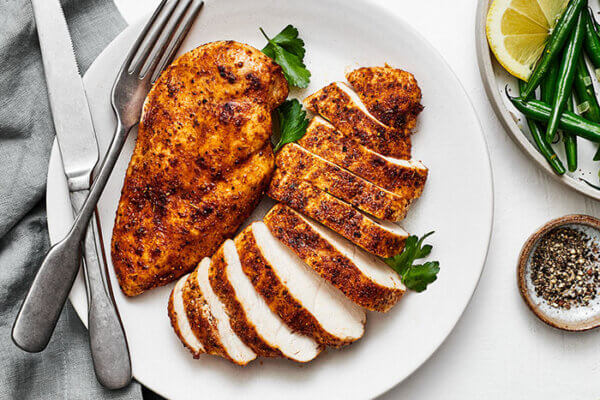
The culinary landscape has shifted dramatically in recent years, driven by a collective desire to maintain the sensory satisfaction of fried foods without the associated health drawbacks of deep frying. At the forefront of this movement is the air fryer, a convection oven variant that has revolutionized how home cooks approach poultry. Chicken, a versatile protein staple found in kitchens globally, serves as the ideal candidate for this technology. When prepared correctly, air-fried chicken delivers the coveted golden-brown crust and juicy interior traditionally achieved only through submersion in hot oil, but with a fraction of the fat content. This transformation is not merely a trend; it is a reflection of evolving nutritional science and cooking engineering that allows for healthier eating habits without sacrificing flavor or texture.
The Mechanics of Air Frying: How It Replaces Oil
Understanding why air fryers excel with chicken requires a look at the underlying physics of heat transfer. Traditional deep frying relies on conduction, where food is submerged in oil heated to temperatures between 350°F and 375°F (175°C–190°C). The oil acts as a medium to rapidly transfer heat, causing the water on the surface of the food to evaporate quickly while the Maillard reaction creates complex flavor compounds and browning. However, this process inevitably leads to significant oil absorption, increasing caloric density and saturated fat intake.
In contrast, an air fryer functions as a compact, high-velocity convection oven. A heating element warms the air, and a powerful fan circulates this superheated air around the food at speeds much higher than a standard oven. This rapid air circulation creates a turbulent layer of heat that strips moisture from the surface of the chicken efficiently, mimicking the crisping effect of oil. According to research from the United States Department of Agriculture (USDA), reducing added fats in cooking methods can significantly lower the overall calorie count of a meal while preserving essential nutrients. The result is a product that achieves similar textural qualities to deep-fried chicken but often uses 70% to 80% less oil, or in many cases, no added oil at all beyond what is naturally present in the skin or marinade.
The efficiency of this method lies in the even distribution of heat. In a traditional oven, hot spots can lead to uneven cooking, requiring rotation or longer cook times that may dry out the meat. The concentrated airflow in an air fryer ensures that every side of the chicken piece is exposed to consistent heat, promoting uniform browning. This is particularly beneficial for chicken, which must reach a specific internal temperature to be safe for consumption without becoming tough. The Food and Drug Administration (FDA) emphasizes the importance of reaching an internal temperature of 165°F (74°C) to eliminate harmful bacteria like Salmonella, and the rapid heat transfer of air frying helps achieve this threshold quickly, locking in juices before they have time to escape.
Selecting the Right Cut for Optimal Results
Not all cuts of chicken respond identically to air frying, and selecting the appropriate cut is the first step toward culinary success. Chicken wings, perhaps the most popular item for air fryers, possess a high skin-to-meat ratio. The skin renders fat during the cooking process, self-basting the meat while becoming exceptionally crisp under the intense airflow. For those seeking the leanest option, chicken breast is the superior choice. However, because breast meat lacks the protective layer of fat found in thighs or wings, it requires careful monitoring to prevent drying out. Marinating breast meat or applying a light coating of oil can create a barrier that retains moisture while still allowing the exterior to crisp.
Chicken thighs and drumsticks offer a middle ground, providing rich flavor and tenderness due to their higher fat content and connective tissue. These cuts are more forgiving if slightly overcooked, making them excellent for beginners. The collagen in these darker meats breaks down into gelatin during the cooking process, contributing to a succulent mouthfeel that complements the crispy exterior. When preparing whole chicken pieces, it is crucial to consider size uniformity. Pieces of varying sizes will cook at different rates, leading to a scenario where smaller pieces are dried out before larger ones are safe to eat. Cutting chicken into uniform strips or selecting pieces of similar weight ensures consistent results across the batch.
The quality of the chicken itself also plays a pivotal role. Organic or free-range chickens often have a different fat composition and muscle structure compared to conventionally raised birds, which can influence texture and flavor. Resources from the National Chicken Council provide insights into poultry grading and selection, helping consumers make informed choices based on their dietary preferences and budget. Regardless of the cut, patting the chicken dry before seasoning is a non-negotiable step. Surface moisture creates steam, which inhibits browning and results in a soggy texture rather than the desired crunch.
The Art of Seasoning and Coating Without Excess Oil
One of the most common misconceptions about air frying is that a heavy batter is necessary to achieve crunch. In reality, traditional wet batters used for deep frying often drip off in an air fryer or fail to crisp properly without being submerged in oil. Instead, the focus should shift to dry rubs, light dustings, and innovative coating techniques that adhere well and crisp up under hot air. A simple mixture of spices such as paprika, garlic powder, onion powder, dried thyme, and black pepper can create a flavorful crust when applied directly to the skin or meat. The key is to ensure the spices are evenly distributed and pressed gently into the surface.
For those craving the texture of breaded chicken, using panko breadcrumbs or crushed cornflakes offers a superior outcome compared to fine breadcrumbs. The larger, flakier structure of panko allows air to circulate through the coating, creating a shatteringly crisp exterior. To help these dry ingredients adhere without a heavy egg wash or excessive oil, a light mist of cooking spray or a brush of olive oil applied to the breadcrumbs before cooking can work wonders. This technique creates a thin layer of fat that conducts heat effectively, facilitating the Maillard reaction. The American Heart Association recommends using healthy fats like olive oil in moderation, and the air fryer allows for just enough application to achieve texture without the caloric load of deep frying.
Marinades also play a critical role in flavor development and moisture retention. Acidic components like lemon juice, vinegar, or yogurt can help tenderize the meat by breaking down protein structures, while herbs and aromatics infuse deep flavor. However, it is essential to wipe off excess liquid marinade before placing the chicken in the basket. Too much liquid will steam the chicken rather than fry it. A balanced approach involves marinating the chicken for several hours or overnight, then removing it from the liquid and patting it thoroughly dry before applying a final layer of dry seasoning or light coating. This method ensures that the flavors penetrate the meat while the surface remains primed for crisping.
Temperature Control and Cooking Times
Precision in temperature and timing is the difference between perfectly cooked chicken and a dried-out disappointment. While recipes vary, a general rule of thumb for air frying chicken is to cook at temperatures between 360°F and 400°F (182°C–204°C). Lower temperatures around 360°F are ideal for larger pieces like bone-in thighs or drumsticks, allowing the heat to penetrate to the bone without burning the exterior. Higher temperatures near 400°F are better suited for smaller items like wings or nuggets, where rapid browning is desired.
Cooking times typically range from 12 to 25 minutes depending on the cut and size. Wings usually require about 20 to 24 minutes, while boneless breasts may take 10 to 15 minutes. It is imperative to flip or shake the chicken halfway through the cooking cycle. This action redistributes the pieces, ensuring that all sides are exposed to the direct airflow and preventing uneven browning. Failure to flip can result in one side being overly crisp while the other remains pale and undercooked. Using a reliable meat thermometer is the only way to guarantee doneness. Relying solely on visual cues or timer settings can be risky, as air fryer models vary in wattage and heating efficiency.
The concept of preheating the air fryer is also debated but generally recommended for chicken. Just as with a traditional oven, starting with a hot chamber ensures that the cooking process begins immediately upon insertion, sealing in juices and initiating the crisping phase right away. Most manufacturers suggest preheating for 3 to 5 minutes. Additionally, avoiding overcrowding the basket is crucial. Air fryers rely on circulation; if the basket is packed too tightly, the air cannot flow freely around each piece, leading to steaming instead of frying. Cooking in batches, though slightly more time-consuming, yields significantly better texture and consistency. Guidelines from Clemson University Cooperative Extension on safe food handling and cooking practices reinforce the necessity of proper temperature management to ensure both safety and quality.
Nutritional Advantages and Health Implications
The shift from deep frying to air frying represents a substantial nutritional upgrade, particularly concerning cardiovascular health and weight management. Deep-fried chicken can absorb a significant amount of oil, sometimes increasing its fat content by several grams per serving. By eliminating the need for submersion, air frying drastically reduces total fat and calorie intake. For instance, a serving of deep-fried chicken wings might contain upwards of 400 calories and 25 grams of fat, whereas the same portion air-fried with little to no added oil could contain nearly half those numbers. This reduction aligns with dietary guidelines suggesting a limit on saturated fats to reduce the risk of heart disease.
Furthermore, the type of fat consumed changes. Deep frying often involves oils that may degrade at high temperatures or contain trans fats if reused multiple times. Air frying allows the use of minimal amounts of high-quality oils, such as extra virgin olive oil or avocado oil, which are rich in monounsaturated fats and antioxidants. These fats are stable at cooking temperatures and offer additional health benefits. The preservation of nutrients is another advantage; the shorter cooking times associated with air frying help retain heat-sensitive vitamins like B-complex vitamins, which are abundant in chicken.
Beyond macronutrients, the reduction in advanced glycation end products (AGEs) is a notable benefit. AGEs are harmful compounds formed when protein and fat combine with sugar in the bloodstream, but they are also created in food during high-heat cooking methods like frying and grilling. High levels of AGEs in the diet have been linked to inflammation and oxidative stress. While air frying still involves high heat, the absence of large quantities of oxidized oil and the reduced cooking time can potentially lower the formation of these compounds compared to traditional deep frying. Research published by the National Institutes of Health (NIH) highlights the importance of cooking methods in chronic disease prevention, supporting the adoption of techniques that minimize harmful byproduct formation.
Comparative Analysis: Air Frying vs. Traditional Methods
To fully appreciate the value of air frying, it is helpful to compare it directly with other common cooking methods. The following table illustrates the differences in oil usage, cooking time, texture, and nutritional impact between air frying, deep frying, and conventional oven baking.
| Feature | Air Frying | Deep Frying | Conventional Oven Baking |
|---|---|---|---|
| Oil Requirement | Minimal to none (0–1 tbsp) | High (quarts for submersion) | Moderate (1–2 tbsp for coating) |
| Calorie Reduction | Up to 70-80% less than deep fried | Baseline (highest calorie count) | Moderate reduction vs. deep fried |
| Cooking Time | Fast (12–25 mins) | Very Fast (8–12 mins) | Slow (30–45+ mins) |
| Texture Profile | Crispy exterior, juicy interior | Very crispy, often greasy | Soft exterior, can be dry |
| Heat Mechanism | Rapid air convection | Conduction via hot oil | Radiant heat + slow convection |
| Cleanup Effort | Low (dishwasher safe basket) | High (oil disposal and filtering) | Moderate (sheet pan cleaning) |
| Safety Risk | Low (no hot oil splatter) | High (burns from hot oil) | Low |
| Nutrient Retention | High (shorter cook time) | Moderate (high heat degradation) | Moderate (longer exposure) |
This comparison underscores why air frying has become a preferred method for health-conscious individuals who do not wish to compromise on texture. While deep frying offers speed, the health costs and cleanup burden are significant. Oven baking is healthy but often fails to deliver the specific “fried” crunch that many crave, frequently resulting in a drier product due to longer exposure times. The air fryer occupies a unique niche, bridging the gap between the speed and texture of frying and the health profile of baking.
Troubleshooting Common Challenges
Even with the best intentions, issues can arise when air frying chicken. One frequent complaint is soggy skin or coating. This is almost always caused by excess moisture. As previously noted, patting the chicken dry is essential. Additionally, if the chicken was marinated in a sugary sauce, the sugar may caramelize and burn before the inside is cooked, or it may remain sticky and soft. Applying sugary glazes during the last few minutes of cooking rather than at the beginning can mitigate this issue. Another factor is the type of coating; flour-heavy coatings without any fat interaction may turn out powdery. Lightly spraying the coated chicken with oil helps the flour particles crisp up.
Uneven cooking is another hurdle. If some pieces are done while others are raw, the basket is likely overcrowded, or the pieces are inconsistent in size. Arranging the chicken in a single layer with space between each piece allows the hot air to circulate effectively. Shaking the basket or flipping the pieces midway is mandatory for even exposure. If the chicken is drying out, the temperature may be too high, or the cooking time too long. Reducing the temperature by 10–15 degrees and extending the time slightly can sometimes yield a juicier result, as it allows the interior to cook gently while the exterior crisps.
Flavor dilution can occur if seasonings are not applied correctly. Salt draws out moisture; if salted too far in advance without a binder, the surface can become wet again. Applying salt immediately before cooking or using a dry rub that includes starches can help maintain a dry surface. Furthermore, the strong airflow in an air fryer can blow lightweight spices like dried herbs off the food. Mixing herbs with a small amount of oil or pressing them firmly into the meat prevents this loss. For those concerned about sodium intake, using acid (lemon, lime, vinegar) and aromatic vegetables (garlic, ginger, onions) can amplify flavor perception without adding salt, a strategy supported by nutritionists at the Mayo Clinic.
Maximizing Flavor with Global Inspirations
The versatility of the air fryer extends beyond basic seasoned chicken; it is a gateway to global cuisines adapted for healthier living. Korean-style chicken, known for its sticky, spicy glaze, can be recreated by air frying the chicken until crisp and then tossing it in a reduced sauce made from gochujang, soy sauce, ginger, and a touch of honey. The initial air frying provides the necessary texture to hold the sauce without becoming soggy immediately. Similarly, Mediterranean flavors thrive in this environment. Chicken rubbed with za’atar, sumac, and lemon zest develops a fragrant, earthy crust that pairs beautifully with grilled vegetables.
Indian tandoori chicken, traditionally cooked in a clay oven, translates exceptionally well to the air fryer. The yogurt-based marinade, infused with garam masala, turmeric, and cumin, keeps the meat tender while the high heat chars the edges slightly, mimicking the tandoor’s effect. Latin American influences, such as Peruvian pollo a la brasa, utilize a marinade of soy sauce, garlic, cumin, and paprika that penetrates deeply and forms a rich, dark crust. These international adaptations demonstrate that healthy cooking does not require blandness. By leveraging bold spices and aromatic herbs, one can create restaurant-quality dishes at home with minimal fat. The Smithsonian Institution notes the cultural significance of food preparation methods, and adapting these traditions to modern, healthier tools allows for the preservation of culinary heritage alongside personal wellness goals.
Frequently Asked Questions
Q: Can I cook frozen chicken directly in an air fryer?
A: Yes, air fryers are capable of cooking frozen chicken, though adjustments are necessary. Cooking time typically needs to be increased by 50% compared to fresh chicken. It is vital to ensure the internal temperature reaches 165°F (74°C). However, for the best texture and even cooking, thawing the chicken beforehand is recommended. Frozen breaded chicken products often perform very well in air fryers, achieving a crispier result than in a conventional oven.
Q: Is it necessary to use oil when air frying chicken?
A: No, it is not strictly necessary, especially if cooking chicken with skin, as the natural fats will render out. However, applying a very light mist of oil (less than a teaspoon) to skinless cuts or dry rubs can significantly enhance browning and crispiness by facilitating the Maillard reaction. Without any fat, some spices may not adhere well, and the texture might be slightly drier.
Q: Why is my air-fried chicken not crispy?
A: Lack of crispiness is usually due to excess moisture, overcrowding the basket, or insufficient heat. Ensure the chicken is patted completely dry before seasoning. Do not stack pieces; they must be in a single layer with space for air circulation. Flipping the chicken halfway through cooking is also essential. If the coating is still soft, try increasing the temperature by 10–20 degrees for the final few minutes of cooking.
Q: How do I prevent the outside from burning before the inside is cooked?
A: This often happens with thick cuts or sugary marinades. Lower the cooking temperature to around 360°F (182°C) and extend the cooking time. This allows heat to penetrate to the center without charring the exterior. If using a sugary glaze, apply it only during the last 2–3 minutes of cooking. Using a meat thermometer is the best way to monitor progress without cutting into the meat and releasing juices.
Q: Can I reheat leftover fried chicken in an air fryer?
A: Absolutely, and it is arguably the best method for reheating. Unlike microwaves, which make leftovers soggy, the air fryer recrisps the skin while warming the meat through. Reheat at 350°F (175°C) for 3–5 minutes. This restores the texture close to its original state without drying out the meat, making leftovers enjoyable again.
Q: What is the safest internal temperature for air-fried chicken?
A: Regardless of the cooking method, the USDA mandates that all poultry must reach an internal temperature of 165°F (74°C) to be considered safe for consumption. This temperature ensures that harmful pathogens like Salmonella and Campylobacter are destroyed. Always verify this with a digital meat thermometer inserted into the thickest part of the meat, avoiding the bone.
Conclusion
The evolution of home cooking has brought forth tools that align culinary enjoyment with health consciousness, and the air fryer stands as a testament to this progress. By mastering the art of air-frying chicken, individuals can enjoy the satisfying crunch and savory depth of fried foods while adhering to nutritional goals that prioritize low oil and reduced calories. The science behind rapid air convection proves that one does not need to submerge food in fat to achieve exceptional texture; rather, precise control of heat and airflow unlocks the potential of the ingredient itself. From selecting the right cuts and applying strategic seasonings to understanding the nuances of temperature and timing, the process offers a rewarding experience for cooks of all skill levels.
The benefits extend beyond the plate, encompassing easier cleanup, reduced safety risks associated with hot oil, and the flexibility to explore global flavors without guilt. As dietary habits continue to shift towards whole foods and mindful preparation, the air fryer serves as a practical ally in the kitchen. It bridges the gap between indulgence and wellness, proving that healthy eating need not be synonymous with sacrifice. Whether preparing a quick weeknight dinner of crispy wings or a sophisticated herb-crusted breast, the possibilities are vast and limited only by imagination. Embracing this method invites a renewed appreciation for the versatility of chicken and the power of modern cooking technology to transform everyday meals into nutritious, delicious experiences. With the right knowledge and techniques, anyone can elevate their culinary repertoire, delivering meals that are as nourishing as they are satisfying.