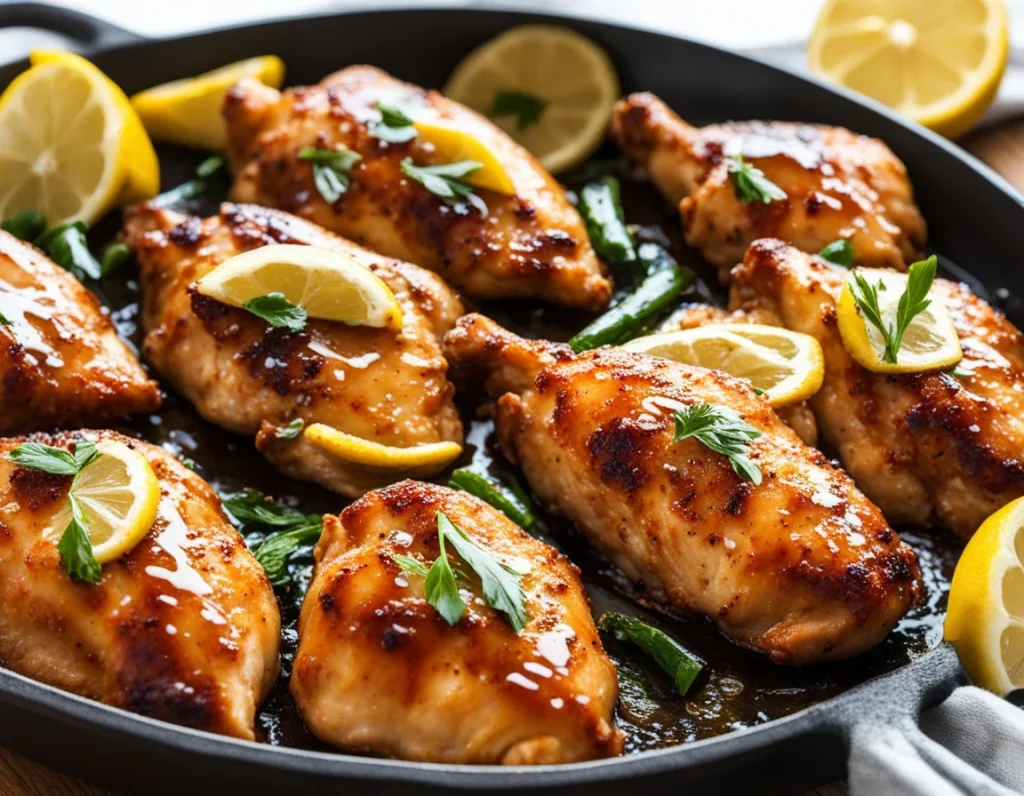
The quest for a comforting, restaurant-quality meal often hits a wall when kitchen equipment is limited or the desire to turn on a hot oven is nonexistent. Whether living in a dormitory, managing a small apartment with a temperamental broiler, or simply trying to keep the kitchen cool during summer months, the stovetop remains the most underutilized tool for creating rich, creamy chicken dishes. The misconception that a velvety sauce and perfectly tender poultry require baking is widespread, yet culinary science suggests otherwise. In fact, cooking chicken entirely on the stovetop often yields superior moisture retention and allows for immediate adjustment of flavors, resulting in a dish that is both technically sound and deeply satisfying. This guide explores the mechanics, ingredients, and techniques required to execute a flawless creamy chicken recipe without ever preheating an oven, ensuring a high-value meal that aligns with professional standards while remaining accessible for home cooks.
The Science of Stovetop Creaminess
Creating a luxurious sauce without the aid of dry oven heat relies heavily on understanding emulsion and temperature control. When chicken is baked, the dry heat circulates around the meat, often drawing out moisture before the sauce can fully penetrate the fibers. Conversely, stovetop cooking utilizes conductive heat from the pan and convective heat from the liquid, creating an environment where the chicken poaches gently in its own juices and the added cream base. This method, often referred to as braising or shallow poaching, keeps the protein submerged in fat and liquid, which acts as a barrier against drying out. According to food science resources from institutions like Serious Eats, maintaining a gentle simmer rather than a rolling boil is critical for preventing the dairy components from curdling, a common pitfall in creamy sauces.
The texture of a stovetop creamy chicken dish hinges on the reduction process. As the liquid evaporates from the pan, the concentration of flavors increases, and the natural proteins in the cream and chicken stock begin to thicken the sauce. Unlike oven-baked dishes where evaporation happens slowly and uniformly, stovetop reduction allows the cook to visually monitor the consistency second by second. This real-time feedback loop ensures the sauce reaches the desired viscosity—often described as nappé, or coating the back of a spoon—without becoming grainy or separated. The American Culinary Federation emphasizes that mastering heat management is the single most important skill in sauce making, particularly when dealing with dairy-based emulsions that are sensitive to high temperatures.
Furthermore, the Maillard reaction, responsible for the complex, savory flavors associated with browned meats, occurs efficiently on the stovetop. By searing the chicken in a hot skillet before introducing liquids, one develops a fond—the caramelized bits stuck to the bottom of the pan. Deglazing this fond with wine, broth, or cream unlocks layers of flavor that baking alone cannot achieve, as the oven’s ambient heat does not facilitate the same direct contact browning. This foundational step is crucial for building depth in a dish that might otherwise taste flat. Resources from Bon Appétit frequently highlight deglazing as the secret weapon for transforming simple ingredients into gourmet-level entrees, proving that the stovetop is not a compromise but a strategic advantage.
Selecting the Right Cut and Preparation Techniques
The choice of chicken cut significantly influences the success of a stovetop creamy recipe. While whole breasts are popular, they present a challenge due to their uneven thickness; the thin tail end often dries out before the thick center is cooked through. For stovetop preparations, pounding chicken breasts to an even half-inch thickness is a technique widely recommended by culinary experts. This mechanical tenderization not only ensures uniform cooking but also increases the surface area available for searing and sauce adhesion. The USDA Food Safety and Inspection Service provides guidelines on handling raw poultry, emphasizing that proper preparation reduces cross-contamination risks and ensures the meat reaches the safe internal temperature of 165°F (74°C) efficiently.
Alternatively, chicken thighs offer a more forgiving option for stovetop cooking. With a higher fat content and connective tissue, thighs remain juicy even if slightly overcooked, making them ideal for simmering in cream sauces. The rendered fat from thighs also enriches the sauce, adding a natural richness that complements the dairy. When using thighs, removing the skin before cooking can prevent the sauce from becoming overly greasy, although searing the skin-on version first and then removing it can impart a deep, roasted flavor to the pan. Comparative studies on meat cuts, such as those found on Cook’s Illustrated, often note that dark meat retains moisture better in wet-heat cooking methods, providing a robust texture that stands up well to heavy creams.
Preparation extends beyond cutting; it involves proper seasoning and drying. Moisture on the surface of the chicken is the enemy of a good sear. If the meat is wet, it will steam instead of brown, resulting in a pale, rubbery exterior. Patting the chicken thoroughly dry with paper towels before applying salt and pepper is a non-negotiable step for achieving that golden crust. Salt should be applied generously and ideally shortly before cooking to draw out surface moisture and season the meat internally. The Institute of Food Technologists notes that salt penetration affects protein structure, helping the meat retain water during the cooking process. This simple preparatory step sets the stage for a textural contrast between the crisp exterior and the tender interior, essential for a high-quality dining experience.
Building the Flavor Base: Aromatics and Deglazing
A creamy chicken dish is only as good as its foundation. Before the cream is introduced, a robust base of aromatics must be established to cut through the richness of the dairy. Onions, garlic, and shallots form the holy trinity of flavor for this type of recipe. Sautéing these ingredients in the residual fat from the chicken renders them sweet and translucent, releasing volatile compounds that define the dish’s aroma. Garlic, in particular, requires careful attention; burning it introduces a bitter note that can ruin the entire batch. Cooking garlic just until fragrant, usually no more than a minute, preserves its pungency without crossing into acridity. Detailed guides on aromatic foundations can be explored through resources like The Kitchn, which breaks down the chemistry of flavor development in everyday cooking.
Once the aromatics are softened, the deglazing process begins. This step involves adding a liquid to the hot pan to dissolve the fond created during the searing phase. Dry white wine is a classic choice, as its acidity balances the fat in the cream and adds a bright, fruity undertone. Varieties like Sauvignon Blanc or Pinot Grigio work best due to their crisp profiles. For those avoiding alcohol, chicken broth fortified with a splash of lemon juice or white wine vinegar serves as an effective substitute. The acid is crucial; it prevents the sauce from feeling too heavy on the palate and helps stabilize the emulsion. Information on pairing wines with cooking, available from Wine Folly, underscores the importance of selecting a wine one would enjoy drinking, as the flavor concentrates during reduction.
Herbs play a pivotal role in elevating the dish from standard to exceptional. Fresh thyme, rosemary, or tarragon introduce earthy, piney notes that complement chicken and cream beautifully. While dried herbs are convenient, fresh herbs release essential oils more effectively when heated gently in the sauce. Adding hardy herbs like thyme early in the simmering process allows their flavors to infuse the liquid, while delicate herbs like parsley or chives should be stirred in at the very end to preserve their color and fresh taste. The Old Farmer’s Almanac offers extensive insights into herb profiles and their culinary applications, guiding cooks on how to layer flavors for maximum impact. This strategic use of botanicals ensures the final dish is aromatic and complex, rather than one-dimensional.
The Art of the Sauce: Dairy Selection and Thickening
The heart of this recipe lies in the sauce, and the choice of dairy product dictates the final texture and richness. Heavy cream, with a fat content of 36% or higher, is the gold standard for stovetop creamy chicken. Its high fat content prevents curdling when heated and provides a luscious mouthfeel that lower-fat alternatives cannot match. Half-and-half can be used for a lighter version, but it requires more careful temperature control and often benefits from a slurry (a mixture of cornstarch and water) to achieve the desired thickness. Milk alone is generally unsuitable for this application unless heavily thickened with a roux, as it lacks the structural integrity to coat the chicken effectively without separating. Nutritional and compositional data on dairy products, accessible via Dairy Council of California, helps clarify why fat content matters in sauce stability.
Thickening agents must be employed judiciously. While heavy cream reduces naturally, some recipes benefit from additional body. A roux, made by cooking equal parts flour and fat, is a traditional French technique that provides a stable, glossy finish. However, for a quicker approach, a cornstarch slurry added near the end of cooking can thicken the sauce without altering the flavor profile. It is imperative to whisk constantly when adding thickeners to avoid lumps, which can detract from the silky texture. The Culinary Institute of America teaches that the timing of thickener addition is critical; adding starch too early can lead to breakdown over prolonged cooking, while adding it too late may result in a raw starch taste.
Acidity and seasoning are the final touches that bring the sauce to life. A squeeze of fresh lemon juice or a teaspoon of Dijon mustard can brighten the heavy cream, cutting through the fat and enhancing the perception of other flavors. Mustard also acts as an emulsifier, helping to bind the fat and water components of the sauce together for a smoother consistency. Taste testing throughout the cooking process is essential, as flavors concentrate during reduction. Adjusting salt and pepper at the end ensures the seasoning is balanced against the richness of the cream. Expert advice from Food52 often reiterates that the best sauces are built in layers, with acid and salt adjusted dynamically to suit the specific ingredients used in that particular batch.
Step-by-Step Execution for Perfect Results
Executing the recipe requires a disciplined approach to timing and heat management. Begin by heating a large, heavy-bottomed skillet over medium-high heat. A stainless steel or cast-iron pan is preferable for even heat distribution and optimal browning. Add a high-smoke-point oil, such as canola or avocado oil, along with a tablespoon of butter for flavor. Once the fat is shimmering, place the seasoned, dried chicken pieces in the pan, ensuring they are not crowded. Crowding lowers the pan temperature, causing the chicken to steam rather than sear. Cook the chicken for 4-5 minutes per side until a deep golden-brown crust forms, then remove it to a plate. This initial sear is vital for flavor development, as detailed in techniques outlined by America’s Test Kitchen.
With the chicken removed, reduce the heat to medium and add the aromatics to the same pan. Sauté the onions and garlic until soft and fragrant, scraping up any browned bits from the bottom. Pour in the white wine or broth to deglaze, using a wooden spoon to loosen the fond completely. Allow the liquid to reduce by half, which concentrates the flavor and evaporates the harsh alcohol notes if wine is used. Next, lower the heat to medium-low and stir in the heavy cream and any chosen herbs or mustard. Bring the sauce to a gentle simmer, avoiding a vigorous boil which could cause the cream to break. Return the chicken to the pan, nestling it into the sauce, and cover partially to allow the meat to finish cooking through the gentle heat of the liquid.
The final stage involves monitoring the internal temperature of the chicken. Use an instant-read thermometer to check for doneness, aiming for 165°F (74°C). This usually takes another 5-8 minutes depending on the thickness of the cut. Once the chicken is cooked, remove it again briefly if the sauce needs further reduction to reach the desired consistency. If the sauce is too thin, increase the heat slightly and simmer uncovered; if too thick, add a splash of broth or water. Finish the dish by stirring in fresh herbs and a final adjustment of salt and pepper. Serving immediately ensures the sauce remains velvety and the chicken is hot. Guidelines on food safety and temperature verification from Fight BAC! reinforce the importance of accurate thermometer use to prevent foodborne illness while ensuring optimal texture.
Comparative Analysis of Cooking Methods
To fully appreciate the efficacy of the stovetop method, it is beneficial to compare it against traditional oven-baking and slow-cooker approaches. Each method has distinct advantages and limitations regarding texture, time, and flavor concentration. The following table illustrates these differences, highlighting why the stovetop technique is often the superior choice for creamy chicken dishes when speed and sauce quality are priorities.
| Feature | Stovetop Method | Oven-Baking Method | Slow Cooker Method |
|---|---|---|---|
| Cooking Time | Fast (20–30 minutes) | Moderate (45–60 minutes) | Slow (4–6 hours) |
| Sauce Consistency | Silky, emulsified, controllable | Often thinner, may separate | Can be watery, requires reduction |
| Moisture Retention | High (poached in sauce) | Variable (risk of drying out) | Very High (but can become mushy) |
| Flavor Development | Intense (deglazing fond) | Roasted, mellow | Blended, less distinct layers |
| Temperature Control | Immediate adjustment | Lag time in response | Fixed low heat |
| Energy Efficiency | High (localized heat) | Low (heats entire cavity) | Moderate (long duration) |
| Active Monitoring | Required | Minimal | Minimal |
| Best For | Weeknight dinners, creamy sauces | Casseroles, baked dishes | Meal prep, tough cuts |
Data suggests that the stovetop method offers the best balance of speed and quality for creamy preparations. The ability to actively manage the sauce’s reduction ensures a luxurious texture that is difficult to replicate in the passive environments of an oven or slow cooker. While baking is excellent for dishes requiring a crispy topping or cheese melt, it lacks the precision needed for delicate dairy emulsions. Similarly, slow cookers excel at breaking down connective tissue in tougher cuts but often dilute flavors due to the lack of evaporation, necessitating a final stovetop reduction anyway. This comparative analysis underscores the stovetop’s versatility and efficiency, making it the preferred method for chefs and home cooks seeking immediate, high-quality results.
Troubleshooting Common Pitfalls
Even with a solid technique, issues can arise when working with dairy and poultry. One of the most frequent problems is a broken or curdled sauce. This typically occurs when the heat is too high or when an acidic ingredient is added to cold cream too quickly. To fix a slightly grainy sauce, removing it from the heat and whisking vigorously can sometimes re-emulsify the fats. In more severe cases, blending the sauce with an immersion blender can restore smoothness. Prevention is key; keeping the heat low once the cream is added and allowing ingredients to come to room temperature before mixing can mitigate this risk. Expert troubleshooting tips from Epicurious suggest that starting with cold cream and adding it to a hot pan gradually can also help temper the dairy.
Another common issue is blandness, often resulting from under-seasoning or insufficient reduction. Cream dulls the perception of salt, meaning dishes often require more seasoning than expected. If the chicken tastes flat, it is likely that the sauce was not reduced enough to concentrate the flavors, or the initial sear was inadequate. Extending the simmer time to reduce the liquid further or adding a pinch of finishing salt can revive the dish. Additionally, using low-sodium broth allows for better control over the final salt level. Understanding the interaction between fat and flavor perception is crucial, a concept explored in depth by sensory science publications like Food Science & Nutrition.
Overcooked chicken is a third potential downfall, leading to a dry, stringy texture that no amount of sauce can fully mask. This usually happens when the chicken is left in the pan too long after reaching the target temperature. Using a thermometer removes the guesswork and prevents overcooking. If the chicken is already dry, slicing it thinly against the grain and serving it with extra sauce can help mitigate the texture issue, though prevention remains the best strategy. Ensuring the chicken is pounded to an even thickness before cooking is the most effective preventative measure, guaranteeing that the entire piece cooks at the same rate.
Frequently Asked Questions
Can I use milk instead of heavy cream for a healthier version?
Yes, milk can be substituted, but it requires modification to achieve a similar texture. Because milk has a much lower fat content, it will not thicken naturally upon reduction and is prone to curdling. To use milk successfully, create a slurry with cornstarch and cold water, whisking it into the simmering sauce to provide thickness. Alternatively, a roux made from butter and flour can be used as the base before adding the milk. It is essential to keep the heat low and avoid boiling to prevent separation. While the flavor will be lighter, the addition of a little cream cheese or Greek yogurt at the end can help mimic the richness of heavy cream without the full fat content.
What are the best side dishes to serve with creamy chicken?
Given the richness of the sauce, side dishes that can absorb the liquid or provide a textural contrast are ideal. Starches like mashed potatoes, rice pilaf, egg noodles, or crusty bread are excellent choices for soaking up the creamy sauce. For a lighter option, steamed green beans, roasted asparagus, or a crisp green salad with a vinaigrette dressing can cut through the heaviness of the dish. The acidity in a salad dressing complements the creamy main course, creating a balanced meal. Whole grains like quinoa or farro also work well, offering a nutty flavor and chewy texture that pairs nicely with the tender chicken.
How do I store and reheat leftovers safely?
Leftover creamy chicken should be stored in an airtight container in the refrigerator within two hours of cooking. It will remain fresh for up to three to four days. When reheating, care must be taken to prevent the sauce from separating. Reheat gently on the stovetop over low heat, adding a splash of broth or milk to loosen the sauce if it has thickened in the fridge. Avoid using high heat or microwaving on full power, as rapid heating can cause the dairy to curdle. Stirring frequently during the reheating process ensures even warmth and maintains the sauce’s emulsion. Freezing is generally not recommended for cream-based sauces, as the dairy tends to separate and become grainy upon thawing.
Is it possible to make this dish dairy-free?
Absolutely. Dairy-free alternatives have advanced significantly, allowing for creamy textures without animal products. Full-fat coconut milk is a popular substitute, imparting a slight tropical flavor that works well with certain spice profiles. Cashew cream, made by blending soaked cashews with water, provides a neutral, rich base that mimics heavy cream effectively. There are also numerous commercial plant-based heavy cream alternatives available in grocery stores, often made from oats or soy. When using these substitutes, the cooking technique remains the same: sear the chicken, build the aromatics, and simmer gently. Adjust seasoning as needed, as some plant-based creams may have different salt or sweetness levels.
Can I add vegetables directly to the creamy sauce?
Yes, adding vegetables is an excellent way to increase the nutritional value and volume of the dish. Leafy greens like spinach or kale can be stirred in during the last few minutes of cooking until wilted. Firmer vegetables such as broccoli florets, sliced mushrooms, or bell peppers should be sautéed with the aromatics or par-cooked separately before being added to the sauce to ensure they are tender. Mushrooms, in particular, complement the creamy profile well, adding an earthy umami flavor. It is important not to overcrowd the pan with vegetables, as this can lower the temperature and affect the sauce’s consistency. Adding them in stages ensures each component is cooked to perfection.
Conclusion
Mastering the art of creamy chicken on the stovetop opens a world of culinary possibilities for home cooks restricted by equipment or time. By leveraging the principles of searing, deglazing, and gentle simmering, one can produce a dish that rivals the complexity and comfort of oven-baked counterparts. The stovetop method offers unparalleled control over texture and flavor, allowing for real-time adjustments that ensure a perfectly emulsified sauce and moist, tender meat. From the scientific understanding of dairy emulsions to the practical application of heat management, every step in this process contributes to a high-quality dining experience. The ability to create such a dish without an oven proves that great cooking is defined not by the tools available, but by the knowledge applied to them.
As readers integrate these techniques into their regular cooking routines, they will find that the stovetop becomes a versatile ally in meal preparation. The emphasis on fresh ingredients, proper seasoning, and attentive cooking fosters a deeper connection to the food being prepared. Whether for a quick weeknight dinner or a special occasion, this approach delivers consistent, delicious results that satisfy both nutritional needs and palatal desires. The journey to culinary confidence begins with understanding the fundamentals, and the stovetop creamy chicken recipe stands as a testament to the power of simple, well-executed techniques. With practice, the nuances of sauce making and protein cookery become second nature, empowering cooks to experiment and innovate within their own kitchens.