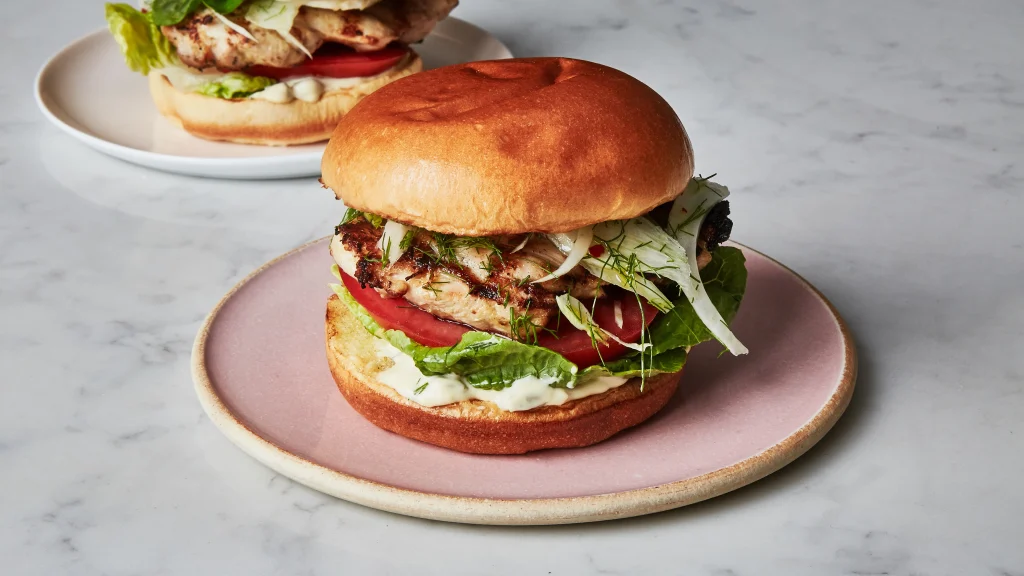
The grilled chicken sandwich has evolved from a simple diner staple into a global culinary phenomenon, particularly when executed with the vibrant, bold characteristics of “street style.” This specific iteration moves beyond the bland, dry poultry often found in fast-food chains, embracing a methodology that prioritizes intense flavor penetration, textural contrast, and rapid, high-heat cooking techniques reminiscent of bustling urban food stalls. Achieving this level of quality in a home kitchen requires an understanding of food science, ingredient selection, and the precise mechanics of grilling. The goal is to replicate the charred, smoky exterior and juicy interior that defines the best street vendors worldwide, all while maintaining a process simple enough for a weeknight dinner.
The Foundation: Selecting and Preparing the Protein
The journey to an exceptional sandwich begins long before the grill is lit; it starts with the selection of the chicken itself. While boneless, skinless chicken breasts are the most common choice due to their leanness and uniform shape, they present a challenge regarding moisture retention. The key to overcoming the tendency of breast meat to dry out lies in understanding muscle fiber structure and employing mechanical tenderization. Pounding the chicken to an even thickness, typically around half an inch, serves two critical functions. First, it physically breaks down tough connective tissues, resulting in a more tender bite. Second, and perhaps more importantly, it ensures uniform cooking. When chicken varies in thickness, the thinner parts overcook and become stringy before the thicker center reaches a safe internal temperature.
For those seeking a richer flavor profile and higher fat content, chicken thighs are an excellent alternative often utilized in street food scenarios across Southeast Asia and the Caribbean. Thigh meat contains more intramuscular fat, which bastes the meat from the inside out during the grilling process, providing a safeguard against dryness. Regardless of the cut chosen, the surface of the chicken must be thoroughly dried before any seasoning is applied. Moisture on the surface creates steam when it hits the hot grill, which inhibits the Maillard reaction—the chemical process responsible for the desirable brown crust and complex savory flavors. Patting the meat dry with paper towels is a non-negotiable step for achieving that authentic street-style char.
Safety and quality go hand in hand when handling poultry. It is essential to source chicken from reputable suppliers who adhere to strict agricultural standards. Understanding the labeling on packaging, such as “air-chilled” versus “water-chilled,” can significantly impact the final texture. Air-chilled chickens tend to have tighter skin and more concentrated flavor because they are not soaked in water during processing, a practice common in industrial farming that can dilute taste and affect browning. For comprehensive guidelines on selecting and handling poultry safely, the USDA Food Safety and Inspection Service provides authoritative resources that every home cook should consult to ensure foodborne illnesses are prevented.
The Science of Flavor: Marinades and Brines
Street-style cuisine is defined by its aggressive and memorable flavor profiles. Unlike subtle gourmet preparations, street food relies on marinades that penetrate deep into the meat, delivering a punch of salt, acid, sugar, and aromatics in every bite. The chemistry of a marinade involves three primary components: an acid to tenderize, oil to carry fat-soluble flavors and prevent sticking, and salt to alter protein structures for moisture retention. Acids such as lime juice, vinegar, or yogurt work by denaturing proteins on the surface of the chicken, effectively “cooking” the outer layer slightly before heat is applied. However, balance is crucial; too much acid or marinating for too long can result in a mushy, mealy texture rather than a tender one.
Salt plays a dual role in this process. Beyond simply adding salinity, it dissolves muscle proteins, allowing them to hold onto more water during the cooking process. This phenomenon, known as brining, is a secret weapon for juicy grilled chicken. A wet brine involves submerging the chicken in a saltwater solution, while a dry brine involves rubbing salt directly onto the meat and letting it rest. Both methods enhance juiciness, but for street-style applications, a wet marinade is often preferred because it allows for the incorporation of aromatics like garlic, ginger, lemongrass, and chilies. These ingredients do not just sit on the surface; over time, their flavor compounds migrate into the meat, creating a cohesive taste experience.
Sugar is another critical, yet often overlooked, component of street-style marinades. In many global cuisines, from Korean BBQ to Jamaican jerk, sugar (in the form of honey, brown sugar, or palm sugar) is added to the marinade. Its primary function during grilling is to promote caramelization. As the sugars heat up, they undergo a rapid transformation, creating a dark, glossy, and slightly sticky glaze that mimics the look and taste of food cooked over charcoal fires. Care must be taken, however, as sugar burns easily. Managing the heat of the grill becomes paramount when using sweetened marinades to ensure the chicken cooks through before the exterior turns to ash. For a deeper dive into the chemical reactions occurring during marination and cooking, Serious Eats offers extensive scientific breakdowns and testing data that validate these culinary techniques.
Building the Flavor Profile: Spices and Aromatics
The distinction between a generic grilled chicken sandwich and a “street-style” masterpiece often lies in the spice blend. Street vendors rarely rely on a single spice; instead, they utilize complex rubs or marinades that layer heat, earthiness, and brightness. Common profiles include the smoky heat of paprika and cumin found in Latin American styles, the aromatic warmth of garam masala and turmeric in South Asian preparations, or the fiery kick of scotch bonnet peppers and allspice in Caribbean jerk cuisine. Toasting whole spices before grinding them releases essential oils that pre-ground spices lose over time, resulting in a more potent and vibrant flavor.
Fresh aromatics are equally vital. Garlic, ginger, shallots, and fresh herbs like cilantro, parsley, or mint provide a freshness that dried spices cannot replicate. When these ingredients are blended into a marinade, they create a paste that clings to the chicken, forming a flavorful crust as it grills. It is important to note that large chunks of garlic or onion can burn quickly over high heat. To mitigate this, many expert cooks grate these aromatics into a pulp or blend them thoroughly into the liquid components of the marinade. This ensures the flavor is distributed evenly without creating bitter, burnt spots on the meat.
Heat management is also a factor when dealing with spicy elements. Capsaicin, the compound responsible for the heat in chili peppers, is oil-soluble. This means that cooking the spiced chicken in the presence of fat helps distribute the heat more evenly across the palate, rather than delivering a sharp, isolated burn. Furthermore, the type of heat matters; some peppers provide an immediate sting, while others offer a slow-building warmth that lingers. Understanding these nuances allows for the customization of the sandwich to suit different palates while maintaining the integrity of the street-style aesthetic. Resources like The Spruce Eats provide detailed guides on global spice profiles and how to balance them effectively in various cuisines.
Mastering the Grill: Heat Control and Technique
The cooking method is where the “street” element truly comes to life. Authentic street food is often cooked over charcoal or wood fires, which impart a distinct smoky flavor that gas grills struggle to replicate. However, a gas grill or even a heavy cast-iron skillet can produce exceptional results if the technique is adjusted correctly. The primary objective is to achieve a high sear to lock in juices and create a crust, followed by gentle cooking to ensure the interior is done without drying out. This often involves a two-zone fire setup on a charcoal grill, where coals are piled on one side for direct high heat and left empty on the other for indirect lower heat.
When the chicken hits the grill, it should sizzle immediately. This indicates that the surface temperature is high enough to initiate the Maillard reaction rapidly. Leaving the chicken undisturbed for several minutes allows a proper crust to form. Attempting to flip the meat too early can cause it to stick to the grates and tear, ruining the presentation and texture. Once a good sear is achieved on both sides, the chicken can be moved to the cooler zone of the grill to finish cooking gently. This technique prevents the exterior from burning before the interior reaches the safe temperature of 165°F (74°C).
For those without access to an outdoor grill, a cast-iron skillet is the best indoor alternative. Cast iron retains heat exceptionally well and can mimic the searing capability of a grill grate. Adding a small amount of oil with a high smoke point, such as avocado or grapeseed oil, is necessary to facilitate heat transfer and prevent sticking. Pressing the chicken down lightly with a spatula or using a grill press can increase surface contact, leading to more even browning. Monitoring the internal temperature with an instant-read thermometer is the only reliable way to determine doneness, as visual cues can be misleading, especially when dark marinades are used. The American Meat Science Association offers research-backed insights into meat cooking temperatures and the physics of heat transfer that underscore the importance of precise temperature control.
The Architecture of the Sandwich: Buns and Toppings
A grilled chicken sandwich is only as good as its structural components. The bun acts as the vessel that holds the flavors together, and its texture is critical. Street-style sandwiches often utilize softer, slightly sweet buns like brioche, potato rolls, or even flatbreads like naan or pita, depending on the regional inspiration. The bun must be sturdy enough to hold the juicy chicken and toppings without falling apart, yet soft enough to yield easily when bitten. Toasting the cut side of the bun on the grill or in a pan is an essential step. This creates a barrier that prevents the bread from becoming soggy due to the moisture from the chicken, sauces, and vegetables.
Toppings in street-style preparations are rarely an afterthought; they are integral to the flavor balance. The goal is to introduce contrasting textures and temperatures. Crunchy elements like shredded cabbage, pickled onions, or fresh cucumber slices provide a refreshing counterpoint to the rich, savory chicken. Acidic components, such as a slaw dressed in lime juice or vinegar, cut through the fat and cleanse the palate. Fresh herbs like cilantro or mint add a burst of aroma that lifts the entire dish. In many cultures, pickled vegetables are a staple topping, offering a tangy crunch that complements the smoky meat perfectly.
Sauces tie all the elements together. While mayonnaise-based sauces are common, street-style sandwiches often feature more dynamic condiments. Aioli infused with garlic and lemon, spicy sriracha blends, creamy yogurt-based tzatziki, or tangy barbecue sauces can elevate the sandwich from ordinary to extraordinary. The application of sauce should be strategic; placing it on both the top and bottom bun ensures that every bite is flavored, but care should be taken not to oversaturate the bread. For inspiration on global sandwich constructions and topping pairings, Bon Appétit frequently features articles analyzing the anatomy of the world’s best sandwiches, offering valuable perspectives on balance and composition.
Comparative Analysis of Cooking Methods
To fully appreciate the nuances of preparing a street-style grilled chicken sandwich, it is helpful to compare different cooking methods. Each approach offers distinct advantages and challenges regarding flavor, texture, and convenience. The following table outlines the key differences between charcoal grilling, gas grilling, and pan-searing, helping cooks choose the best method for their specific situation and equipment.
| Feature | Charcoal Grilling | Gas Grilling | Pan-Searing (Cast Iron) |
|---|---|---|---|
| Flavor Profile | Deep, smoky, authentic street-style char | Clean, mild grilled taste | Intense crust, savory fond, no smoke |
| Heat Control | Requires manual vent adjustment; slower response | Precise knob control; instant adjustment | High heat retention; moderate adjustment |
| Temperature Range | Extremely high (ideal for searing) | High to medium-high | Very high (excellent for searing) |
| Convenience | Low (requires setup and cleanup time) | High (quick start-up) | High (indoor, weather-independent) |
| Moisture Retention | Excellent if two-zone method is used | Good, but risks drying out if unmonitored | Excellent, especially with butter basting |
| Best For | Weekend gatherings, authentic flavor seekers | Weeknight dinners, consistent results | Indoor cooking, winter months, small batches |
| Equipment Needed | Charcoal grill, chimney starter, tongs | Gas grill, propane tank, thermometer | Cast iron skillet, spatula, ventilation |
This comparison highlights that while charcoal grilling offers the most authentic flavor profile associated with street food, gas grilling and pan-searing are highly effective alternatives that offer greater convenience and control. The choice ultimately depends on the cook’s priorities regarding time, equipment availability, and desired flavor intensity. Regardless of the method, the principles of proper preparation, seasoning, and temperature monitoring remain constant.
Nutritional Considerations and Healthy Modifications
While street food is often associated with indulgence, a grilled chicken sandwich can be a highly nutritious meal when constructed thoughtfully. Chicken is an excellent source of lean protein, essential for muscle repair and overall health. By grilling rather than frying, significant amounts of fat and calories are saved. The skin, if left on during cooking, adds flavor and moisture but can be removed before eating to reduce fat intake further. However, leaving the skin on during the grilling process helps protect the meat from drying out, so it is often recommended to grill with the skin and remove it afterward if dietary restrictions require it.
The nutritional value of the sandwich can be enhanced by making smart choices with the bun and toppings. Opting for whole grain or multigrain buns increases fiber content, which aids in digestion and promotes satiety. Loading the sandwich with a variety of colorful vegetables not only improves texture and flavor but also boosts the vitamin and mineral content. Replacing heavy, cream-based sauces with yogurt-based alternatives or vinaigrettes can significantly reduce calorie density without sacrificing taste. Portion control is also a factor; a standard street-style portion might be larger than a typical dietary recommendation, so being mindful of serving sizes is advisable for those monitoring their caloric intake.
Understanding the nutritional breakdown of ingredients empowers cooks to make informed decisions. For instance, knowing that a tablespoon of mayonnaise contains significantly more calories than a tablespoon of mustard or hot sauce can influence sauce selection. Similarly, recognizing that pickled vegetables often contain high levels of sodium can help those on low-salt diets adjust their recipes accordingly. Authoritative nutrition databases like those provided by the CDC or Nutrition.gov offer detailed information on the nutrient content of various foods, enabling consumers to build meals that align with their health goals while still enjoying delicious street-style flavors.
Troubleshooting Common Pitfalls
Even with careful planning, issues can arise during the cooking process. One of the most common problems is chicken sticking to the grill grates. This is usually caused by insufficient preheating or inadequate oiling of the grates. Ensuring the grill is screaming hot before the chicken touches it and brushing the grates with oil just before cooking can prevent this. Another frequent issue is uneven cooking, where the outside is burnt while the inside remains raw. This is almost always a result of the flame being too high or the chicken being too thick. Utilizing the two-zone cooking method and pounding the chicken to an even thickness are effective solutions.
Dry, tough chicken is the ultimate failure in a grilled sandwich context. This typically stems from overcooking. Relying on time estimates rather than an internal thermometer is a common mistake. Chicken breasts cook quickly, and even a minute or two of extra cooking can ruin the texture. Pulling the chicken off the heat when it reaches 160°F (71°C) and letting it rest allows the residual heat to carry it to the safe 165°F (74°C) mark while the juices redistribute. Resting is a critical step that should never be skipped; cutting into the meat immediately causes the juices to run out, leaving the sandwich dry.
Flavor imbalance is another potential pitfall. If the marinade is too salty, the chicken will be unpalatable. If it lacks acid, the meat can taste flat and heavy. Tasting the marinade before applying it (without the raw chicken) can help adjust the seasoning. If the marinade contains sugar, burning is a risk. Keeping a close eye on the grill and moving the chicken to a cooler spot if the sugars begin to caramelize too quickly is essential. For more advanced troubleshooting tips and technique refinement, culinary institutes like the Culinary Institute of America provide professional-level guidance that can help home cooks overcome these common hurdles.
Frequently Asked Questions
What is the best cut of chicken for a street-style grilled sandwich?
While boneless, skinless chicken breasts are popular for their lean profile and ease of eating, boneless, skinless chicken thighs are often superior for street-style preparations. Thighs have a higher fat content, which keeps them moist and flavorful even under high heat, reducing the risk of drying out. They also possess a more robust texture that stands up well to bold marinades. However, if using breasts, it is crucial to pound them to an even thickness to ensure uniform cooking.
How long should I marinate the chicken for optimal flavor?
For chicken, a marinating time of at least 30 minutes is sufficient to impart surface flavor, but for deeper penetration and tenderization, 2 to 4 hours is ideal. Marinating for longer than 12 hours, especially in acidic marinades containing citrus or vinegar, can break down the proteins too much, resulting in a mushy texture. Yogurt-based marinades can be left for up to 24 hours as the lactic acid acts more gently on the meat. Always marinate in the refrigerator to prevent bacterial growth.
Can I achieve a smoky flavor without a charcoal grill?
Yes, it is possible to mimic smoky flavors using a gas grill or indoor methods. On a gas grill, using smoker boxes filled with wood chips (such as hickory, mesquite, or applewood) can infuse the chicken with smoke. Indoors, adding a small amount of liquid smoke to the marinade can provide a similar effect, though it should be used sparingly as it is potent. Additionally, charring the chicken slightly over high heat can create a flavor profile that approximates the complexity of charcoal cooking.
What are some safe alternatives to traditional buns for a healthier option?
For those looking to reduce carbohydrates or gluten, there are several effective alternatives to traditional buns. Lettuce wraps using large leaves of romaine or butter lettuce provide a fresh, crunchy vessel that holds the chicken well. Portobello mushroom caps can serve as substantial, earthy “buns.” Sliced sweet potatoes or eggplant rounds, grilled until tender, also make excellent gluten-free bases. These options not only alter the nutritional profile but also add unique flavors and textures to the sandwich.
How do I prevent the sandwich from becoming soggy?
Sogginess is primarily caused by moisture from the chicken, toppings, or sauces soaking into the bread. To prevent this, always toast the cut side of the bun to create a seal. Allow the grilled chicken to rest for a few minutes after cooking so that the juices redistribute and do not leak out immediately upon slicing. Place a layer of dry greens, such as lettuce or spinach, between the bun and the wet ingredients like tomatoes or sauces to act as a moisture barrier. Apply sauces moderately and consider serving wetter toppings on the side if the sandwich is not being eaten immediately.
Is it necessary to oil the chicken before grilling?
Yes, lightly coating the chicken with oil before placing it on the grill is highly recommended. Even if the marinade contains oil, an additional light brush of high-smoke-point oil (like canola or avocado oil) on the surface of the meat helps facilitate the Maillard reaction, promoting better browning and preventing sticking. It also acts as a conductor for heat, ensuring the surface cooks evenly. Be cautious not to use too much oil, as this can cause flare-ups on the grill.
Conclusion
The creation of a perfect easy street-style grilled chicken sandwich is a harmonious blend of science, technique, and creativity. It begins with the thoughtful selection of the protein and the meticulous preparation of a marinade that balances salt, acid, sugar, and aromatics to penetrate deep into the meat. The grilling process demands attention to heat management, utilizing high temperatures to create a flavorful crust while ensuring the interior remains juicy and tender. Whether cooked over charcoal, gas, or in a cast-iron skillet, the principles of the Maillard reaction and moisture retention remain the guiding forces behind a successful outcome.
Beyond the cooking method, the architecture of the sandwich plays a pivotal role in the overall experience. The choice of bun, the arrangement of crunchy and fresh toppings, and the application of complementary sauces transform a simple piece of grilled poultry into a complex and satisfying meal. By understanding the interplay of textures and flavors, cooks can replicate the vibrant essence of street food in their own kitchens. The ability to troubleshoot common issues, such as sticking, uneven cooking, or dryness, further empowers the home cook to consistently deliver high-quality results.
Ultimately, the appeal of the street-style grilled chicken sandwich lies in its versatility and universal satisfaction. It is a dish that transcends cultural boundaries, adaptable to countless flavor profiles and dietary preferences. By adhering to the fundamental techniques of proper preparation, precise cooking, and balanced assembly, anyone can master this culinary classic. The result is a meal that offers the excitement of global street food with the comfort and reliability of home cooking, proving that exceptional flavor does not require complexity, but rather a respect for the ingredients and the process. As culinary skills develop, experimentation with different spices, marinades, and toppings will continue to yield new and exciting variations, keeping this timeless dish fresh and engaging for every palate.